Start with a Safe, Compatible Upgrade Plan
A Canik TP9 trigger fitment check should begin before any parts come out of the firearm. Taking a few minutes to confirm compatibility can help you avoid a frustrating range delay, protect factory safety features, and make better decisions about your setup.
Safe handling comes first, every time. Before reviewing any trigger component, we recommend confirming the firearm is unloaded, removing ammunition from the work area, and following the current instructions from the firearm and component manufacturers. Keep the firearm pointed in a safe direction throughout any inspection.
This is a fitment checklist, not an installation guide. If you have questions about compatibility, function, prior modifications, or local regulations, a qualified gunsmith is the right resource. We want you to have clear answers before moving forward, not after a part has been forced into place.
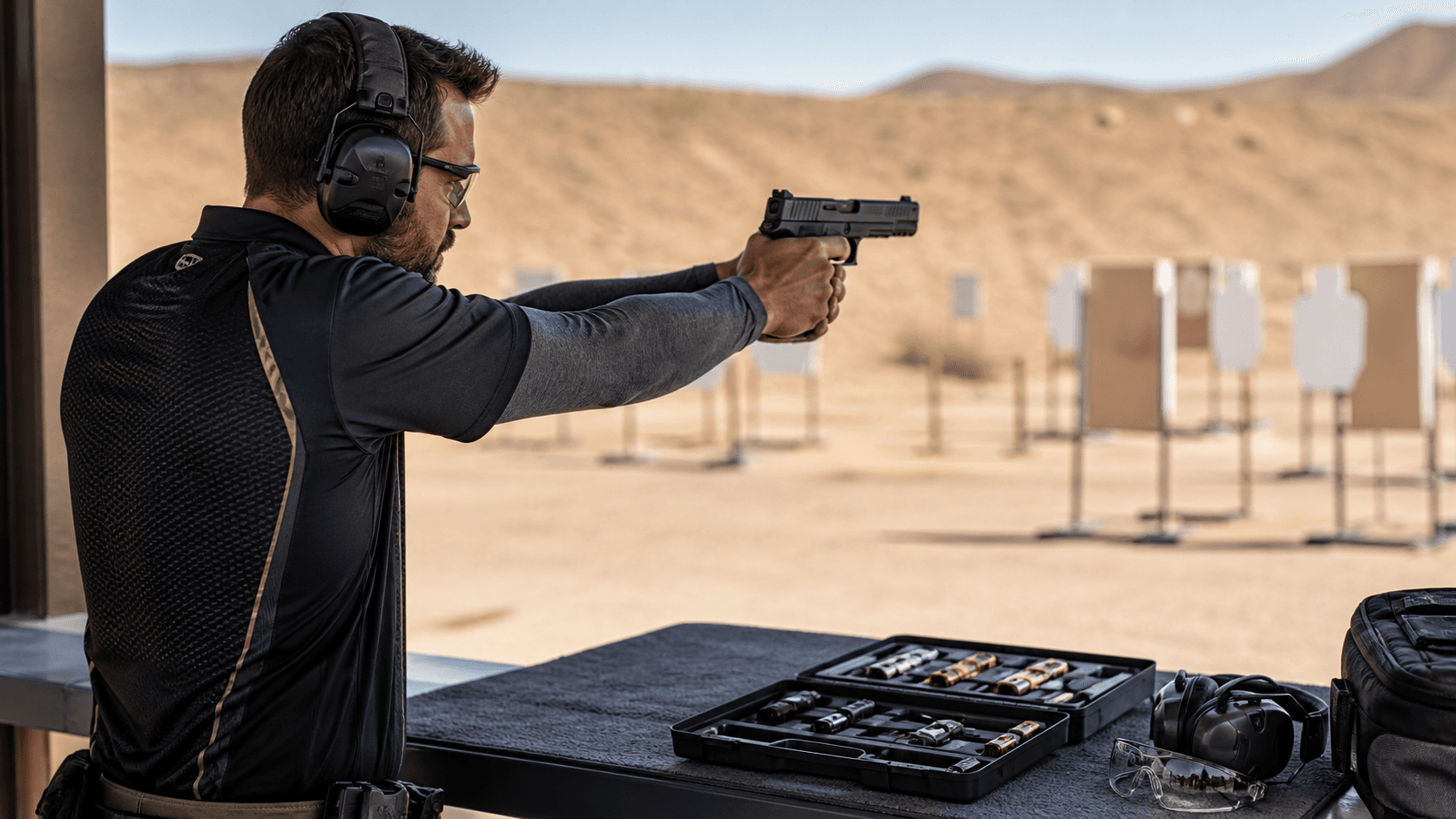
Late October is a smart time for this kind of review. Cooler outdoor range days, indoor practice, seasonal training, and holiday gifting plans can all put new attention on gear. A quick inspection now can help keep a future range session focused on practice instead of preventable equipment problems.
Confirm Your Exact TP9 Variant
The TP9 name covers a family of pistols, not one identical platform. Differences in frame geometry, trigger bars, slide configurations, and internal parts can matter when you are considering a Canik TP9 trigger system. Start by reading the complete model name marked on your firearm, then compare it with the compatibility information for the component you are considering.
A part made for one TP9 variant should never be assumed to fit another simply because both firearms share the TP9 name. Production changes may also affect component fitment, which is why current product notes and manufacturer documentation matter.
Before making any changes, gather a few details about your current firearm:
- The full model marking and serial range
- Any existing aftermarket trigger, spring, pin, optic, or recoil-related upgrades
- Previous repairs, parts replacements, or modifications
- The stated compatibility list and instructions for the new trigger system
Those details can help us or a qualified gunsmith spot a possible conflict before installation begins. When product documentation does not clearly answer a fitment question, pause there. Guessing or trying to "make it work" can create damage and safety concerns that are much harder to sort out later.
Inspect Trigger Parts and Related Interfaces
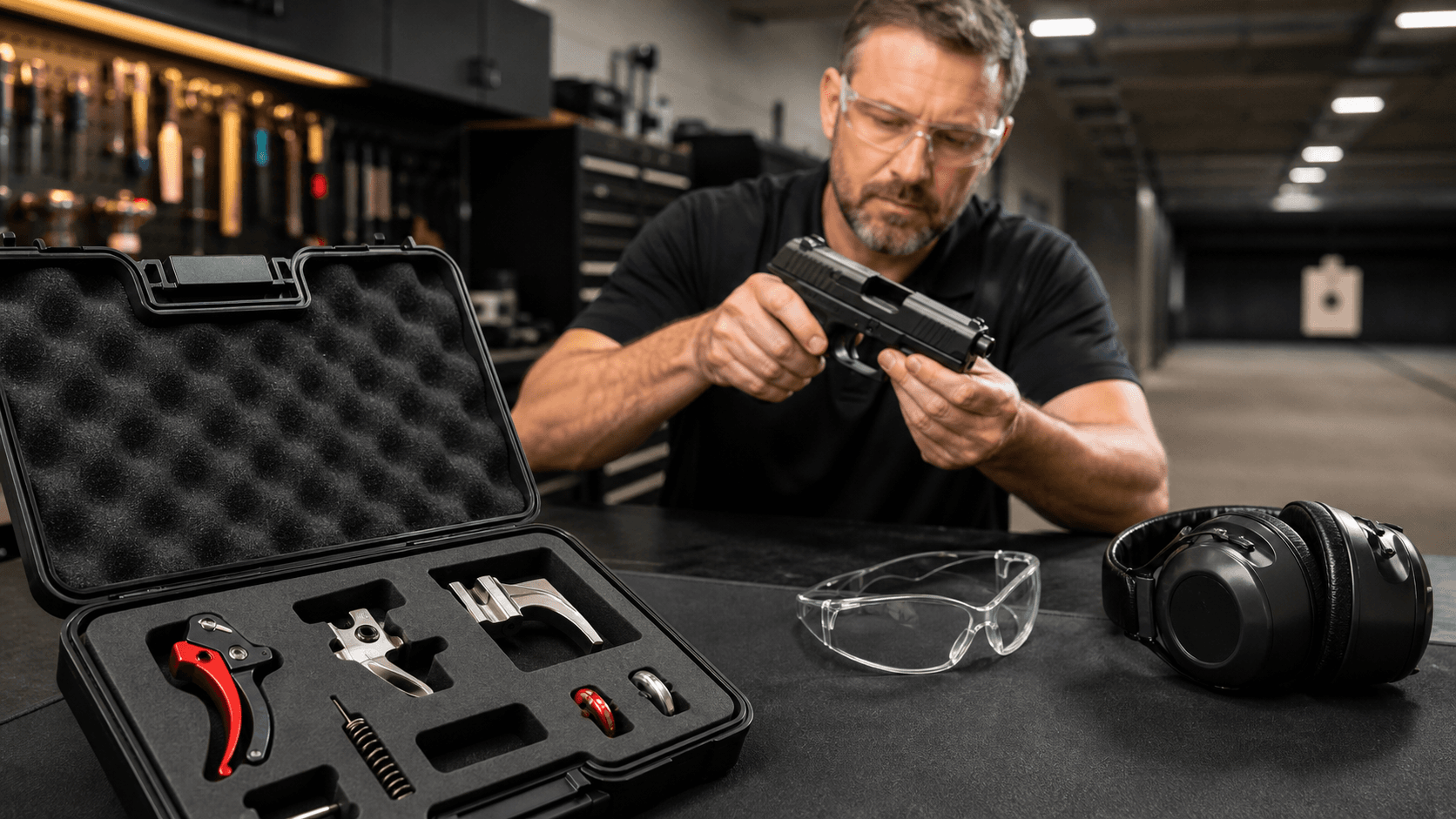
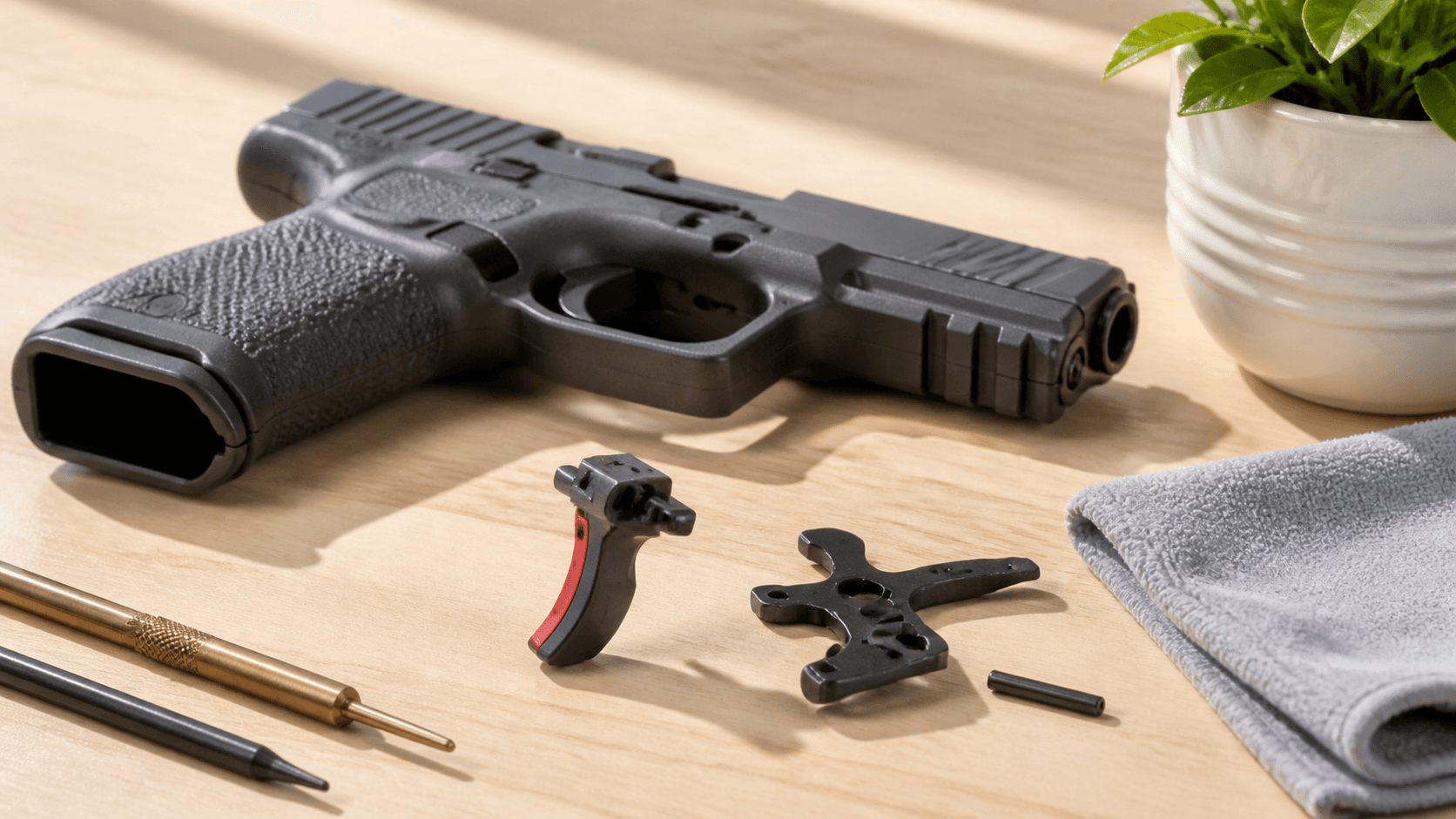
Once you have confirmed the intended platform, compare the new Canik TP9 trigger assembly with the factory components before any installation work begins. You are not trying to modify either part during this review. The goal is simply to make sure the item you received matches the expected configuration.
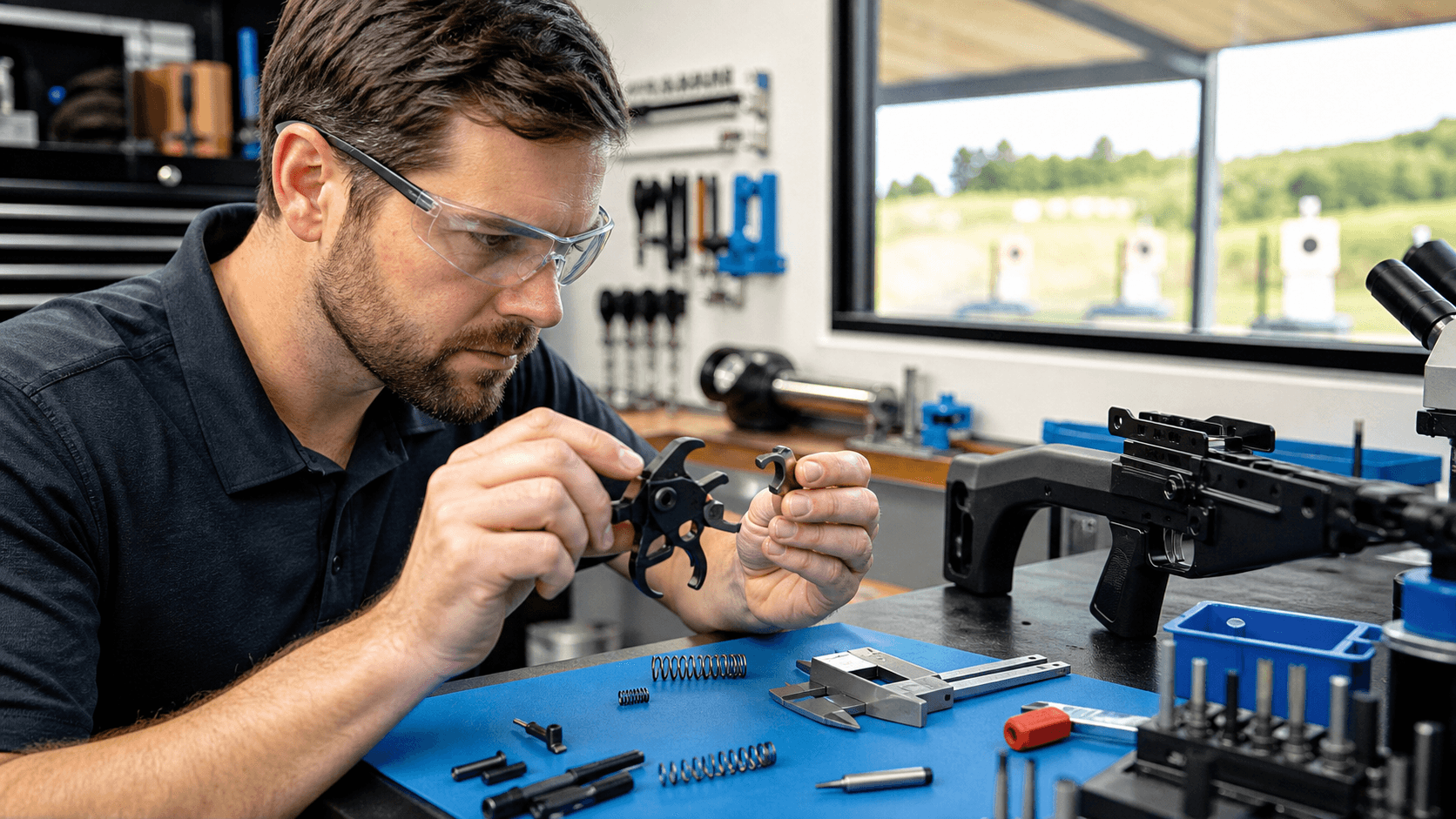
Look for obvious differences in shape, mounting points, included hardware, and the instructions supplied with the product. Precision-machined components should arrive clean, complete, and consistent with the product description. If a package contains missing hardware, unusual marks, shipping damage, or a part that does not appear correct, stop and resolve that issue before proceeding.
Existing upgrades deserve special attention. A performance-focused range build can include several parts that affect one another, even when each component worked properly on its own. Trigger shoes, trigger bars, springs, frame pins, optics systems, and recoil-related upgrades may all change how a new system interacts with the firearm.
We recommend reviewing your setup as a whole, not just focusing on the newest part. A qualified gunsmith can help evaluate whether the current configuration remains within the compatibility requirements for the trigger system you plan to use.
Check the Frame, Pins, and Safety Engagement
Fitment is about much more than whether a component can physically sit inside the frame. The trigger system must work correctly with the firearm's internal safeties, trigger bar, pins, and related parts. Factory safety features should never be removed, defeated, altered, or bypassed to accommodate an upgrade.
Before considering a trigger change, inspect the frame area for signs that professional service may be needed. Pay attention to unusual wear, debris, cracked polymer, altered internal surfaces, or pin locations that appear damaged. Drag that feels unusual or alignment that looks off can also point to a problem that should be addressed first.
Keep these limits in mind during a fitment review:
- No part should need to be forced into position
- Pins should not be driven into an area that appears misaligned
- Factory safety features should remain intact
- Unexplained wear or damage should be evaluated by a qualified professional
Forcing a part can damage the frame, affect reliable function, and create unsafe operating conditions. A compatible trigger system should be handled only according to its supplied instructions and accepted firearm-safety practices. If anything feels wrong, stopping is the right call.
Plan Function Tests Before Live-Fire Use
A post-installation function check should be part of the plan before the firearm ever goes to the range. With the firearm unloaded and pointed in a safe direction, follow the product instructions and firearm manufacturer guidance for checking normal trigger movement, reset, and safety engagement.
No one should load or fire a firearm that shows a function concern. An inconsistent trigger feel, failure to reset, unexpected movement, or uncertainty about safety operation are all reasons to stop and seek professional inspection. Range time is not the place to troubleshoot a setup that has not passed a proper unloaded function check.
Fall training plans make advance testing especially helpful. Whether you are preparing for an outdoor range day, competition practice, or an indoor session when the weather turns colder, leave room in your schedule to confirm that your Canik TP9 trigger setup is operating as intended. That preparation helps keep practice time safer and more productive.
Upgrade with Fitment Confidence
The best trigger upgrade begins with careful platform verification, a close component inspection, safety-conscious fitment checks, and a disciplined plan for function testing. We recommend keeping all product documentation with your firearm records and reviewing current compatibility information before changes are made.
Precision performance begins with proper compatibility, responsible installation, and safe firearm handling every time. When there is any unanswered question about fitment or function, pause and have the firearm evaluated before live-fire use.
Choose Components With Greater Confidence
Browse our selection of Canik TP9 trigger components to find options suited to your build goals. At G-Force CNC Solutions, we focus on quality parts and clear product information to support informed decisions. If you need help selecting a component, contact us with your questions before ordering.