Gain Predictable Control Before You Seek a Lighter Break
A trigger pull upgrade should give you more control, not simply a smaller number on a pull-weight gauge. We often recommend focusing first on a feel that is consistent, predictable, and manageable through repeated strings of fire.
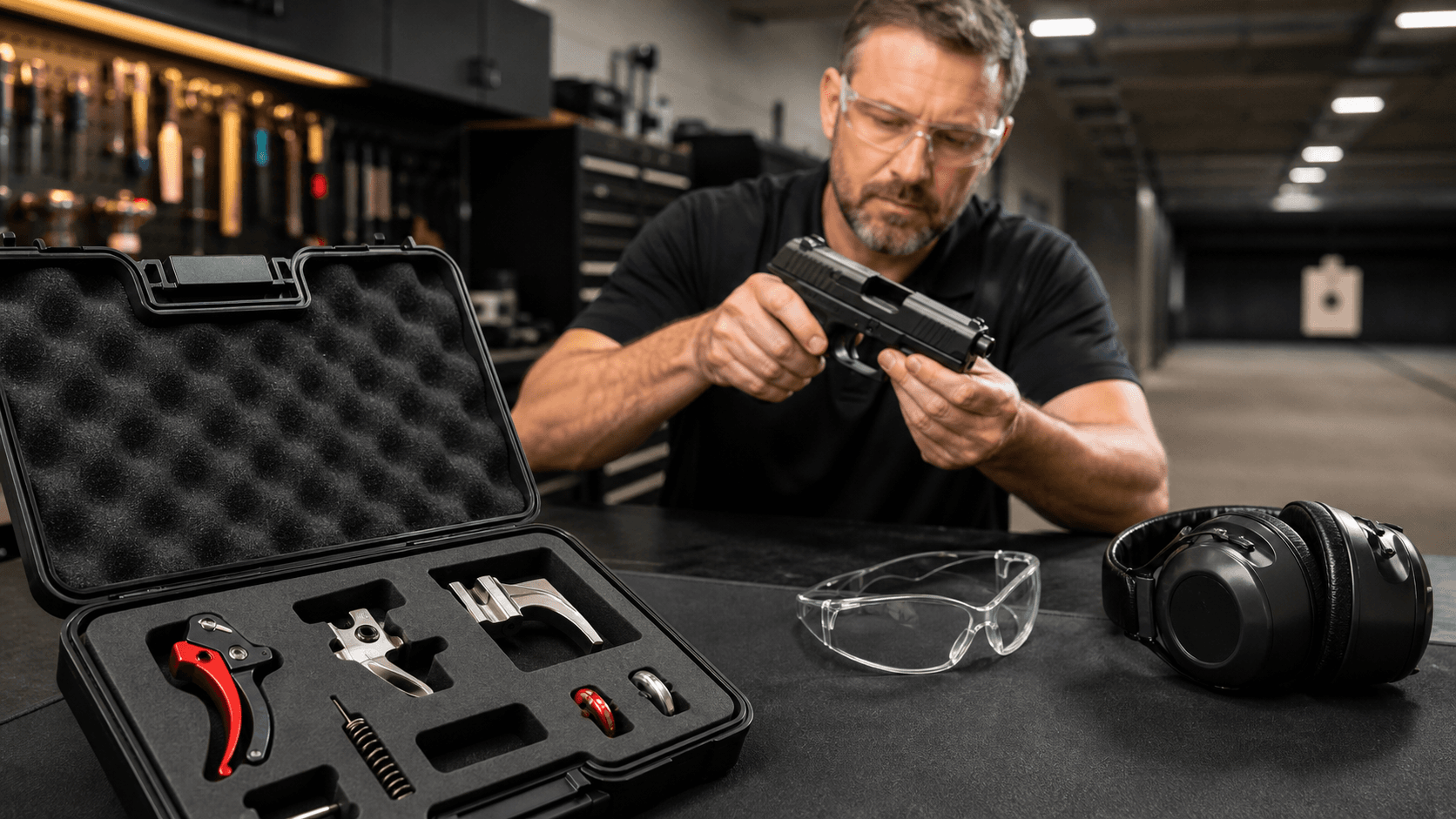
October is a smart time to take stock of your range setup. Cooler weather, added clothing layers, late-season matches, and upcoming holiday range trips can all reveal whether your current trigger feel supports deliberate shooting. Our goal is to help you define what you want to improve, confirm that parts fit your platform, and make a responsible choice without treating a lighter break as the only sign of quality.
Define the Results You Want at the Range
Before choosing a trigger pull upgrade, we suggest getting clear on what you want to feel differently at the range. "Better" can mean several things, and it does not always mean lighter. A trigger that feels easier to predict may support more consistent practice than one that simply feels very light for a few repetitions.
Consider what is getting in the way during your normal sessions. You may want a cleaner-feeling break, less noticeable travel, a reset you can recognize consistently, or improved comfort when you are shooting for longer periods. Controlled drills may also feel more confident when your trigger response is familiar from shot to shot.
It can help to write down your priorities before comparing components:
- A more consistent take-up before the break
- A distinct, predictable break point
- Manageable overtravel after the break
- A reset that feels easy to recognize during safe range use
- Greater comfort during extended practice sessions
Pull weight is only one part of the experience. For one shooter, "lighter" may mean less effort. For another, it may mean a cleaner sensation at the break. What works well depends on your firearm platform, hand size, shooting style, experience level, and intended use.
Online reviews can be useful for learning about general product features, but we encourage you to keep them in perspective. Another shooter's preferred setup may not give you the same result. Instead of chasing someone else's ideal, focus on what helps you maintain deliberate, repeatable control with your own platform.
Plan a Trigger Pull Upgrade Around Control
A balanced trigger feel usually comes from several characteristics working together. Consistent take-up can help the trigger feel familiar before the break. A distinct break can make the moment of firing easier to anticipate. Manageable overtravel and a recognizable reset can also contribute to a steady, repeatable feel during lawful and safe range sessions.
None of those features need to be extreme to be useful. In fact, a very light break may feel appealing at first while still being a poor match for your comfort level or range habits. If it leaves you second-guessing your input, it may not support the confident trigger discipline you are trying to build.
We recommend judging any trigger pull upgrade over an entire range session, not just a handful of dry repetitions or early live rounds. A component can feel impressive in a brief first impression, then feel less comfortable once fatigue, changing grip pressure, or longer drill sequences enter the picture.
Pay attention to practical questions as you shoot:
- Does the trigger feel similar from one string to the next?
- Can you maintain deliberate control at a comfortable pace?
- Does the reset remain easy for you to recognize?
- Does the setup still feel comfortable later in the session?
- Are you gaining confidence rather than rushing for speed?
Those answers will tell you more than a pull-weight number alone. The best setup is one that helps you repeat sound habits without creating uncertainty.
Match Components to Your Platform and Purpose
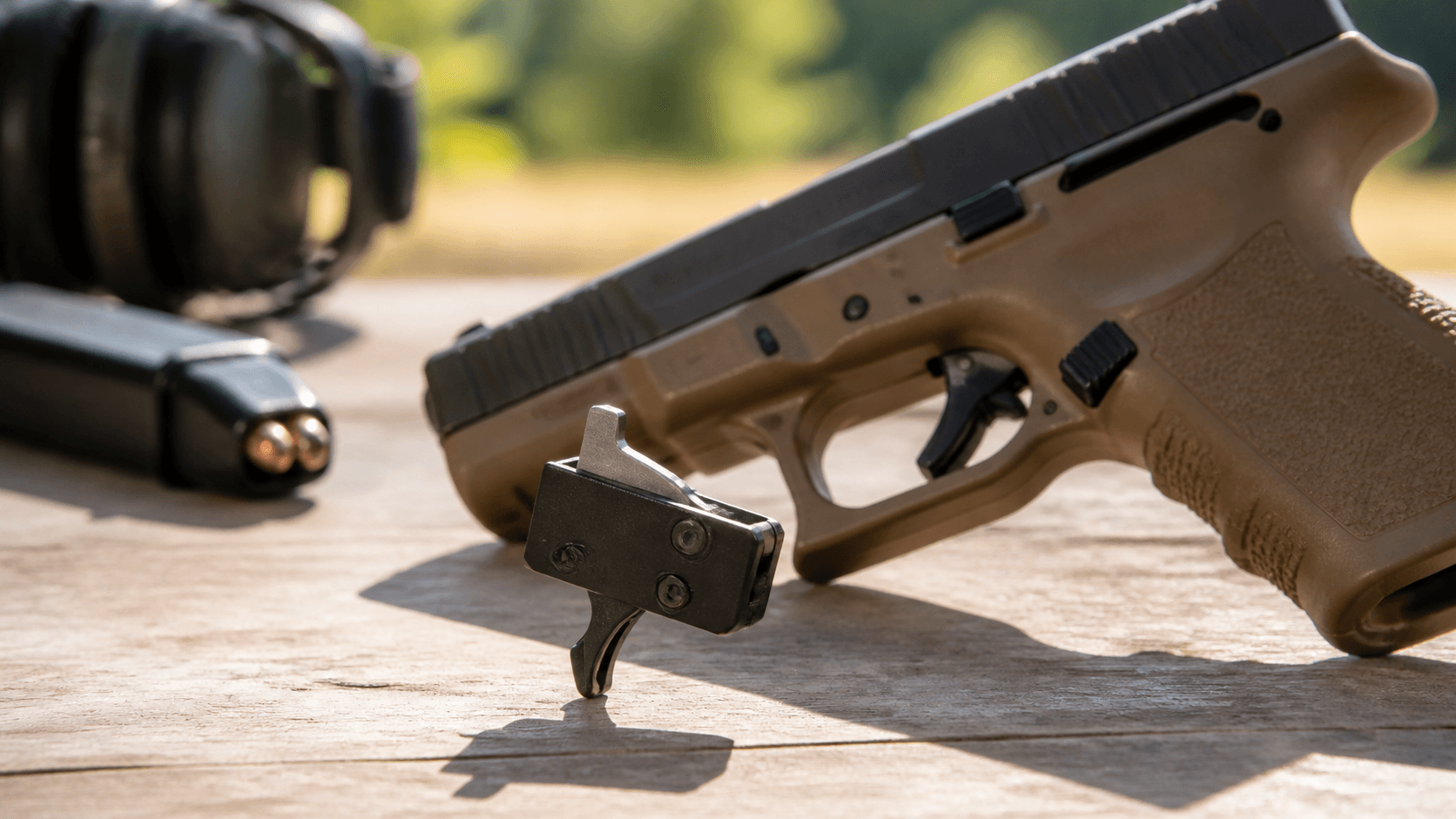
Fit matters as much as feel. We recommend choosing components designed specifically for your firearm platform and intended configuration. Before purchasing, review the manufacturer's specifications for compatibility, materials, and use guidance. A part made for a different platform, generation, or configuration may not provide the result you expect.
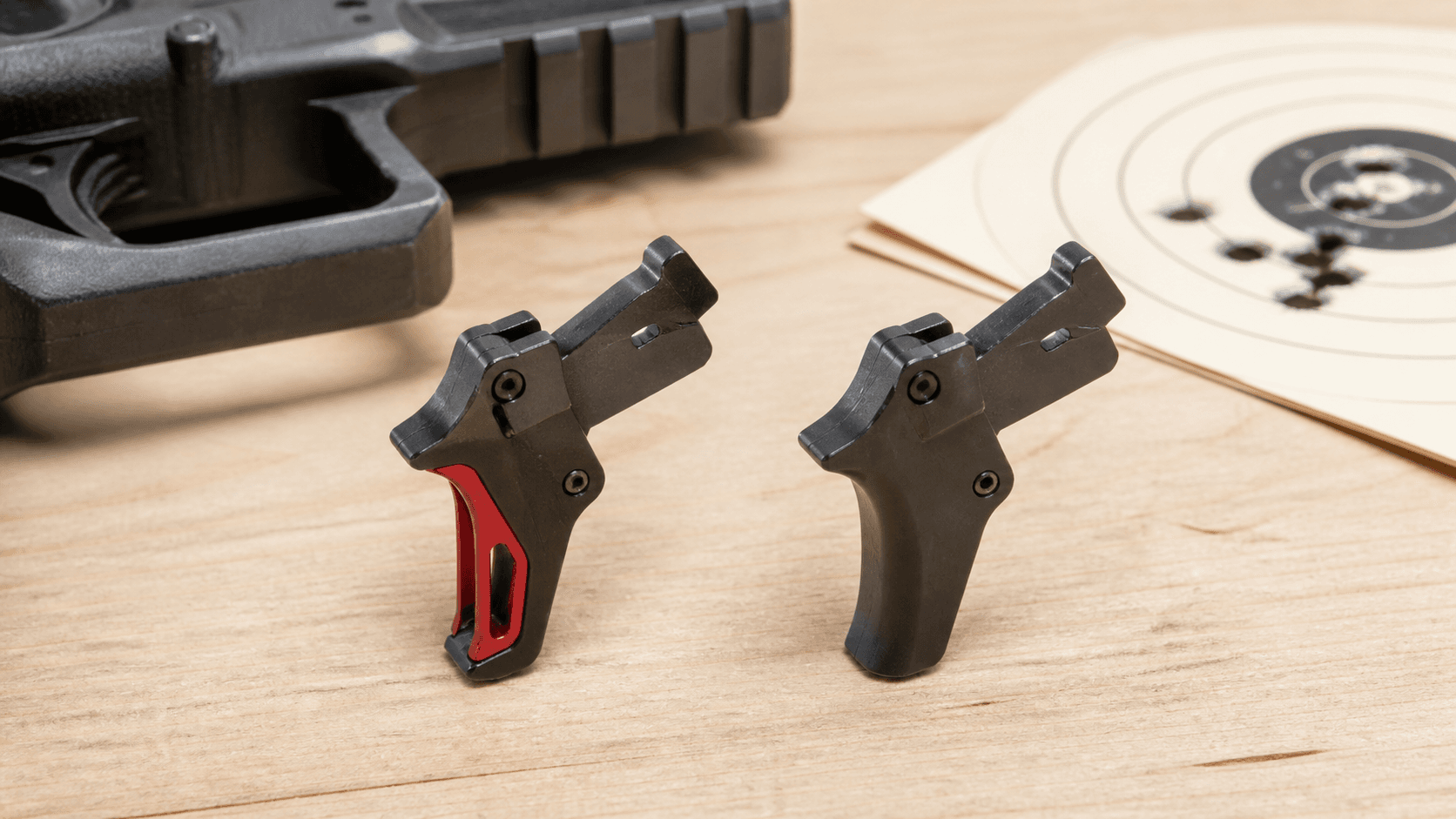
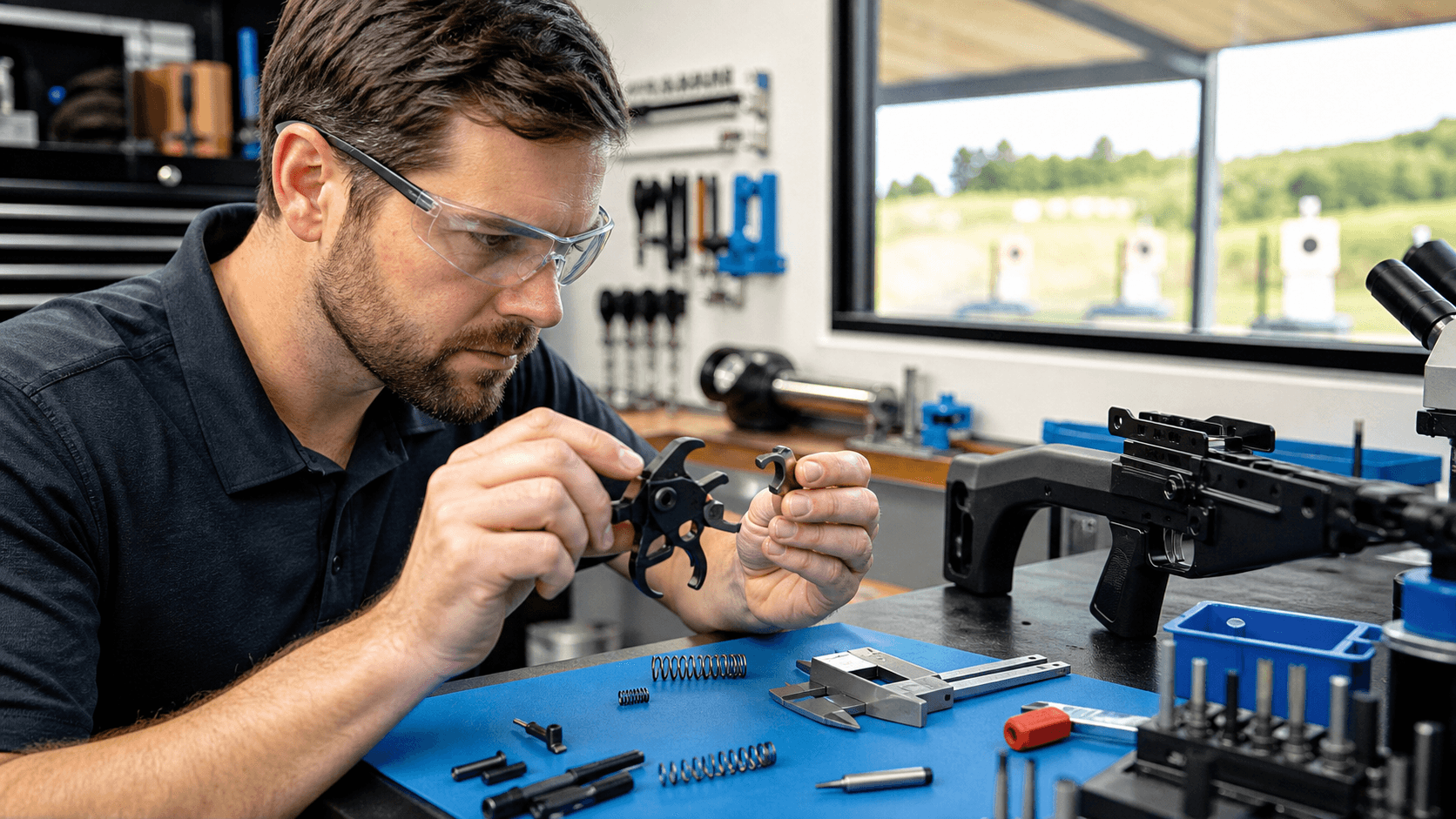
Precision-machined components can appeal to range-focused users who value repeatable fit and durable performance. At G-Force CNC Solutions, we focus on precision CNC-machined firearm trigger components, recoil-assisted trigger systems, and range-focused accessories for supported platforms. Still, the right choice should always begin with your platform's requirements and the purpose you have in mind.
Your intended use deserves the same attention. A setup selected for controlled range practice may call for different priorities than one chosen based on a friend's preferences or a brief online video. We encourage you to consider local laws, firearm manufacturer guidance, and any installation requirements before moving forward.
When compatibility, function, or safe operation is unclear, professional installation or a conversation with a qualified gunsmith is the responsible path. That extra step can help you avoid assumptions and better understand how a selected component fits into your overall setup.
Test Your Choice Through Safe, Measured Range Sessions
After installation, give the new setup time to prove itself. We recommend confirming proper function according to the component manufacturer's instructions, following all safe handling practices, and evaluating the firearm gradually during controlled range sessions.
Start with a measured approach rather than trying to test everything at once. Use familiar drills at a pace that lets you notice how the trigger feels. The point is not to chase speed. It is to see whether the trigger remains predictable when you are focused on grip, sight picture, follow-through, and safe handling.
Range testing should include more than the first few shots. As your session continues, notice whether comfort and confidence stay steady. Added fall layers can change how your hands and body position feel, so October practice offers a useful chance to assess equipment under slightly different conditions than summer range days.
A thoughtful review now can also prevent rushed decisions before late-season events, holiday outings, or winter weather limits training time. If something feels inconsistent, uncomfortable, or uncertain, pause and seek qualified guidance instead of trying to force an adjustment on your own.
Choose an Upgrade That Supports Better Range Habits
The right trigger pull upgrade is not automatically the lightest one. It is the one that matches your firearm platform, supports your intended range use, and helps you build consistency over time. Predictable take-up, a clear break, manageable travel, and a familiar reset can matter far more than pursuing the lowest possible pull weight.
As you compare compatible precision trigger components and range-focused accessories, keep your standards simple: choose fit, control, and confidence over novelty. A measured decision today can support safer, steadier range habits every time you practice.
Build A More Controlled Shooting Experience
At G-Force CNC Solutions, we can help you choose a trigger pull upgrade that supports consistent, deliberate handling. Our NEO Selectable FRD gives you a component option designed around practical control rather than chasing an ultra-light break. If you have questions about compatibility or selecting the right setup, contact us for guidance.