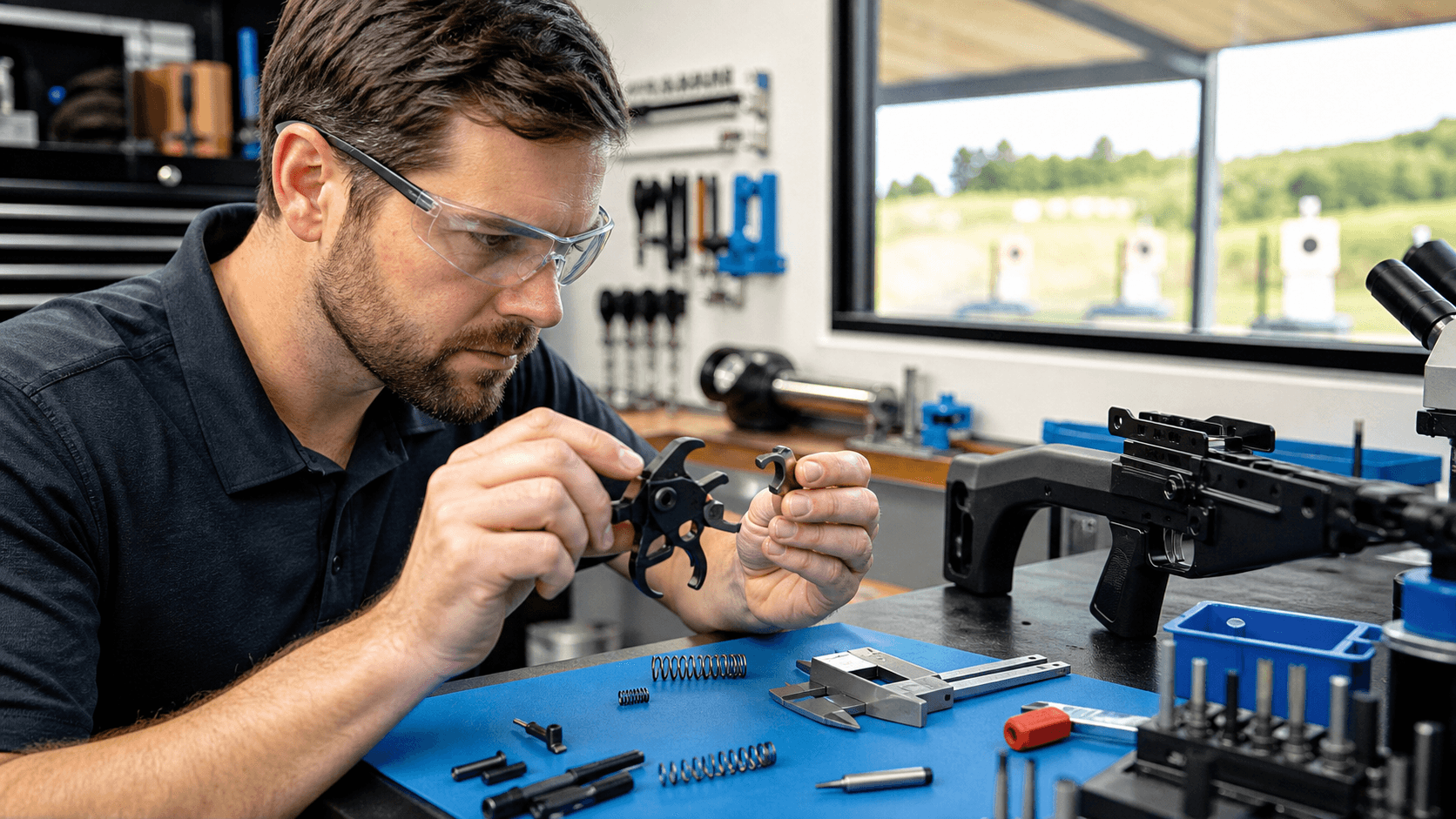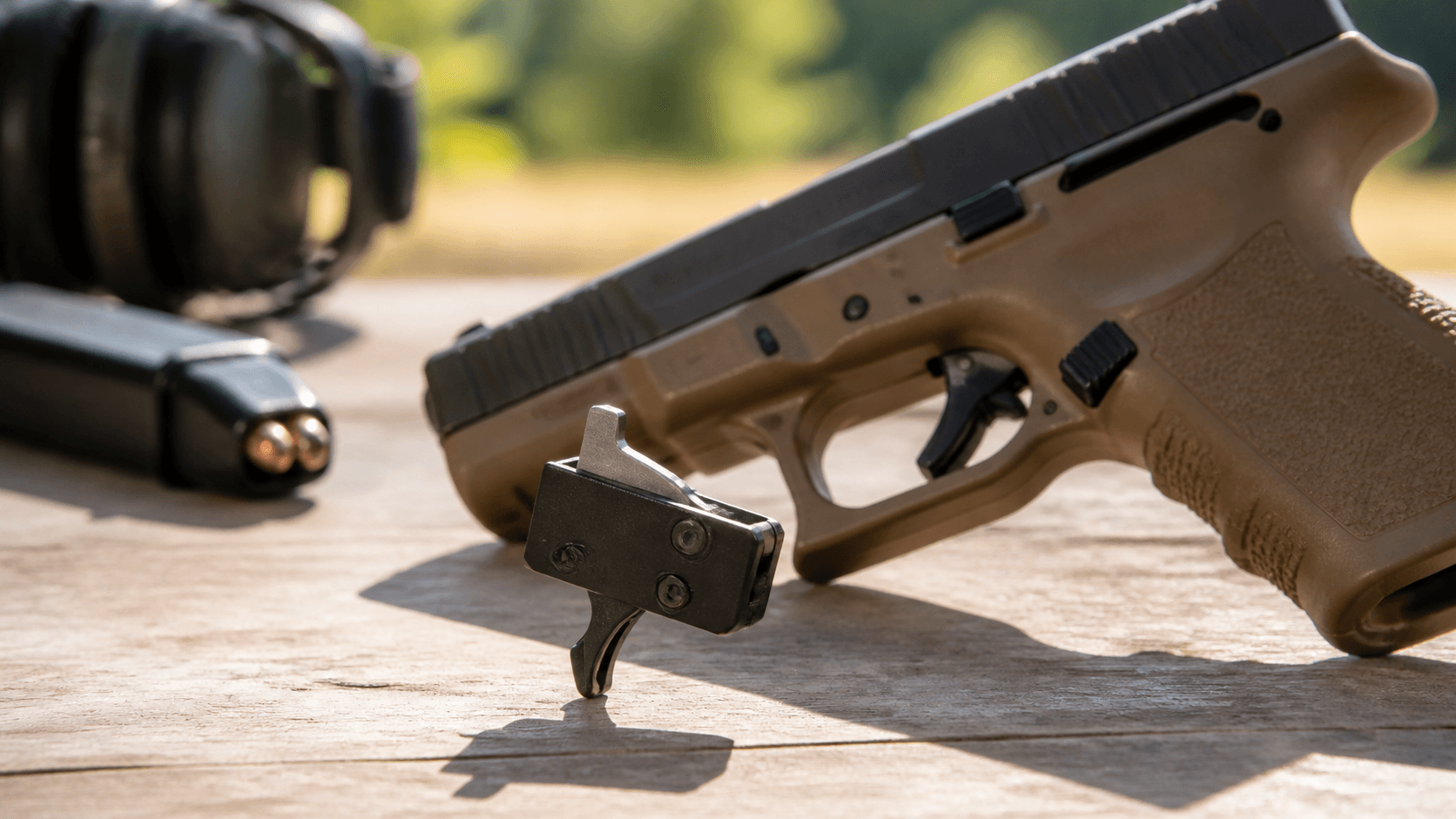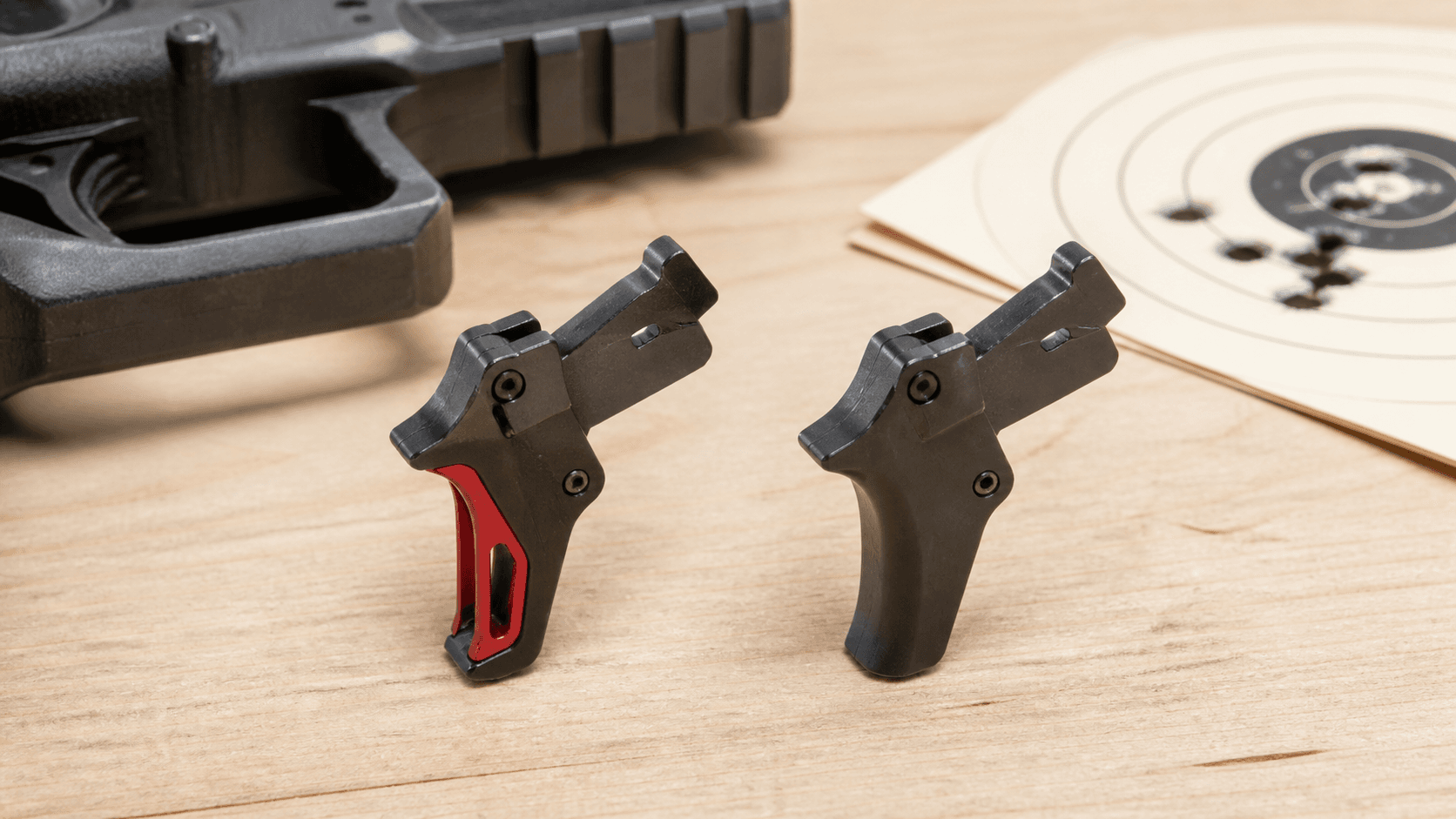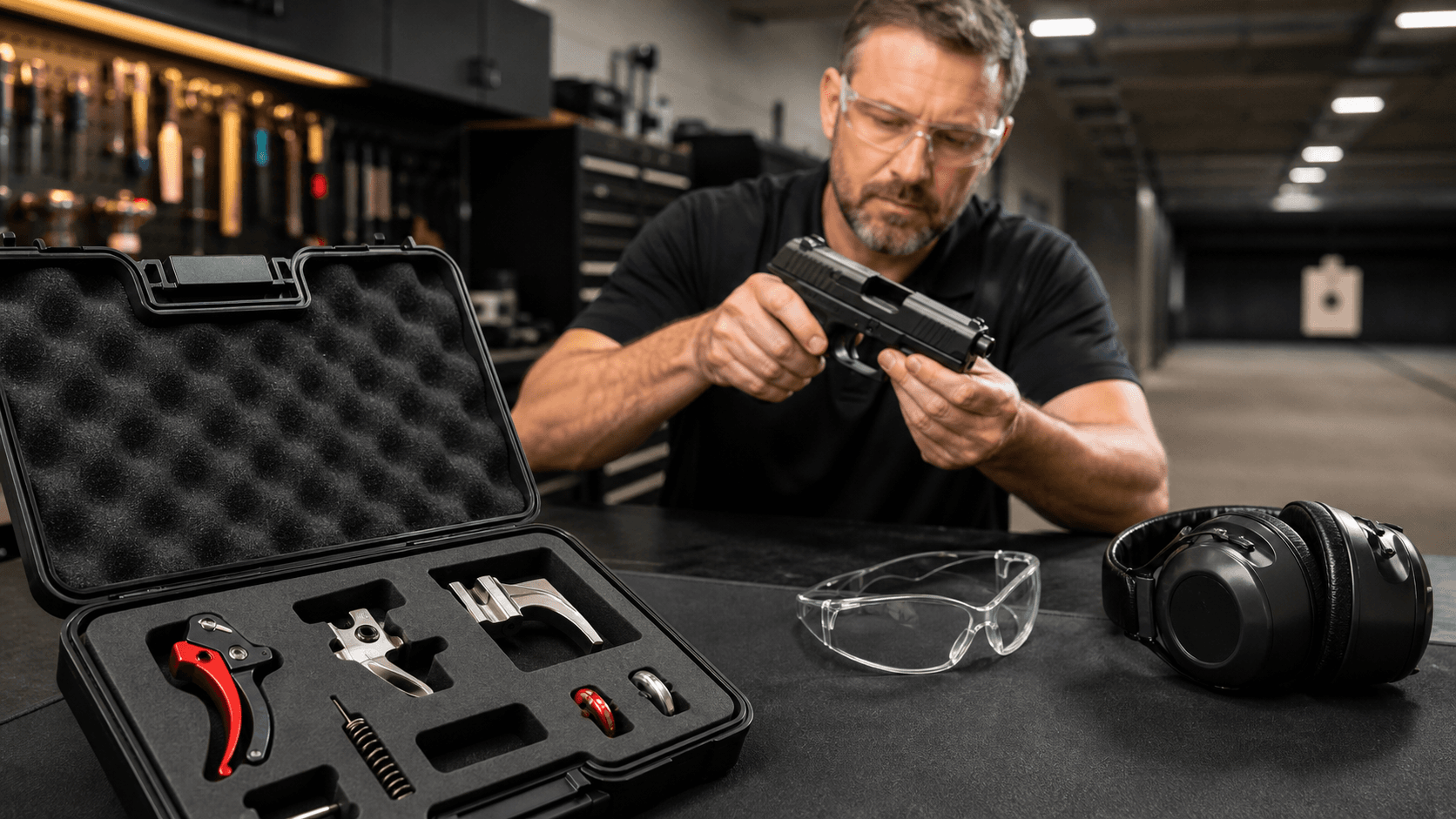
A complete range setup starts with more than a single part. Firearm trigger kits should fit your specific platform, your practice goals, and the rules of the place where you plan to shoot. When those pieces line up, you can spend more time focused on controlled handling and consistent range sessions.
October is a good time to take stock of your gear. Cooler weather, shorter days, busier weekends, and end-of-year practice goals can all change how a range day feels. We recommend selecting, installing, inspecting, and using any trigger-related product according to manufacturer guidance, qualified professional recommendations, local laws, and range policies.
Build a Safer, More Consistent Fall Range Setup
Performance-minded owners often begin with one upgrade in mind. That makes sense, but a trigger component works best as part of a thoughtful overall setup. The right choice depends on the firearm, the intended activity, and the conditions at your range.
A complete setup gives you room to prepare without rushing. Before heading out, we encourage you to think through the full experience, from secure transport to post-range inspection. Reliable equipment matters, but responsible handling and attention to facility rules matter just as much.
Your fall range checklist may include:
- Eye and ear protection in good condition
- A secure case for safe transport
- Ammunition approved for your firearm and range
- Targets and any range-required equipment
- A basic cleaning and inspection kit
These basics may not be as exciting as a new component, but they help create a more organized, focused range day.
What a Complete Trigger Kit Should Include
Firearm trigger kits can vary widely. A product name or one advertised feature does not tell the whole story. We recommend looking for a system designed for the exact firearm platform you own, rather than collecting unrelated parts and hoping they work together.
The core of a complete kit is the trigger component or system itself, along with any compatible parts identified by the manufacturer. Clear documentation also belongs in the package, as do product-specific inspection and maintenance resources. Compatibility is more important than adding more pieces.
When evaluating firearm trigger kits, look for:
- Clear compatibility details for the firearm model and configuration
- Manufacturer-provided instructions and responsible-use information
- Parts designed to work together as a system
- Quality machining and clear product descriptions
- Guidance on inspection, care, and proper operation
At G-Force CNC Solutions, we manufacture precision CNC-machined firearm trigger components and accessories for performance-minded owners who value quality and controlled range use. We believe clear product information helps you make better decisions before a component ever reaches the range.
Match Components to Your Range Goals
Before choosing a trigger-related product, it helps to define what you want to improve. Some shooters want a more refined feel for slow, deliberate practice. Others are interested in systems made for particular lawful, performance-focused range applications. Those are different goals, and they may call for different product considerations.
A bench-rest accuracy session is not the same as recreational shooting or supervised range drills. One configuration is not automatically right for every firearm, user, or facility. We encourage you to choose based on predictable operation, platform compatibility, product quality, and the kind of controlled practice you actually plan to do.
Speed and novelty should never be the only deciding factors. A dependable setup that supports steady handling can be a better fit than a product chosen simply because it sounds impressive. Take time to read the manufacturer's guidance and consider whether the system makes sense for your experience level and intended range environment.
Products described as recoil-assisted or selectable may have added restrictions, ownership requirements, or range limitations. Laws can change, and one range may allow equipment that another facility does not. Review current federal, state, and local requirements, along with individual range rules, before purchasing, transporting, or using these systems.
Put Safety, Compliance, and Compatibility First
Precision-machined components still need to be used as intended. A trigger system is only appropriate when it matches the firearm platform, follows manufacturer specifications, and is permitted where you plan to shoot.
Start with the details. Confirm the exact firearm model, generation, configuration, and any other compatibility information listed by the manufacturer. If anything is unclear, we recommend asking the manufacturer or speaking with a qualified firearms professional instead of making assumptions.
Responsible preparation also means knowing the rules before you leave home. Check applicable regulations before ordering or transporting a trigger-related product, especially if it is selectable or recoil-assisted. Then review your range's policies, since facility rules may be more restrictive than broader legal requirements.
A controlled range is the proper setting for lawful testing and familiarization. Follow posted commands, keep the muzzle pointed in a safe direction, wear proper protective equipment, and stop using the firearm if you notice irregular function or have concerns about the setup. When in doubt, pause and have the firearm evaluated by a qualified professional.
Prepare for Cooler Fall Conditions
Fall range days can bring wet ground, lower temperatures, changing light, and more crowded schedules. Those conditions do not have to ruin a practice session, but they do reward preparation. A quick gear review before you go can help you avoid distractions once you arrive.
Make sure your clothing is weather-appropriate without getting in the way of safe movement. Confirm that your eye and ear protection remains comfortable and effective, and consider whether shorter daylight will affect visibility during your planned range time. Bring the cleaning and inspection items recommended for your firearm and components, then follow product-specific care guidance after the session.
Seasonal range hours can also change. Hunting-season traffic, fall events, and earlier sunsets may affect lane availability or facility procedures. Checking those details ahead of time helps you use your range time wisely without rushing safety checks.
Choose a Setup You Can Test with Confidence
The strongest range setup is built around reliability, compatibility, lawful use, and clear goals, not one flashy upgrade. Take time to assess your current range gear, confirm the rules that apply to your location and facility, and select components that support controlled practice.
As fall practice plans take shape, keep preparation simple: inspect your equipment, pack the basics, follow manufacturer guidance, and give yourself enough time to handle each range session safely and consistently.
Build A More Reliable Range Setup
At G-Force CNC Solutions, we offer accessories that help you tailor your equipment to your range-day needs. Browse our selection of firearm trigger kits and related components to complete your setup with confidence. If you have questions about compatibility or available options, contact us for helpful guidance.