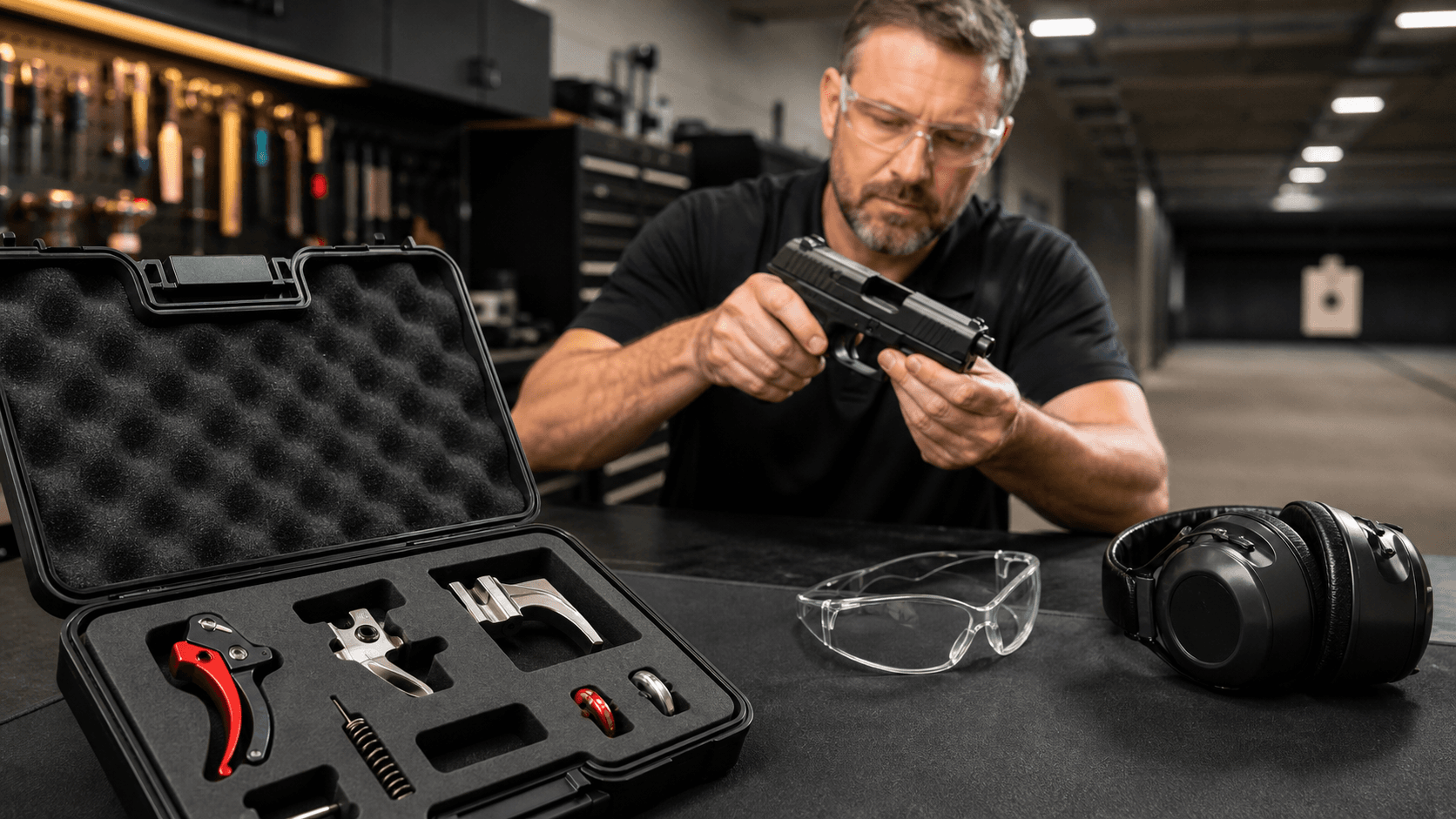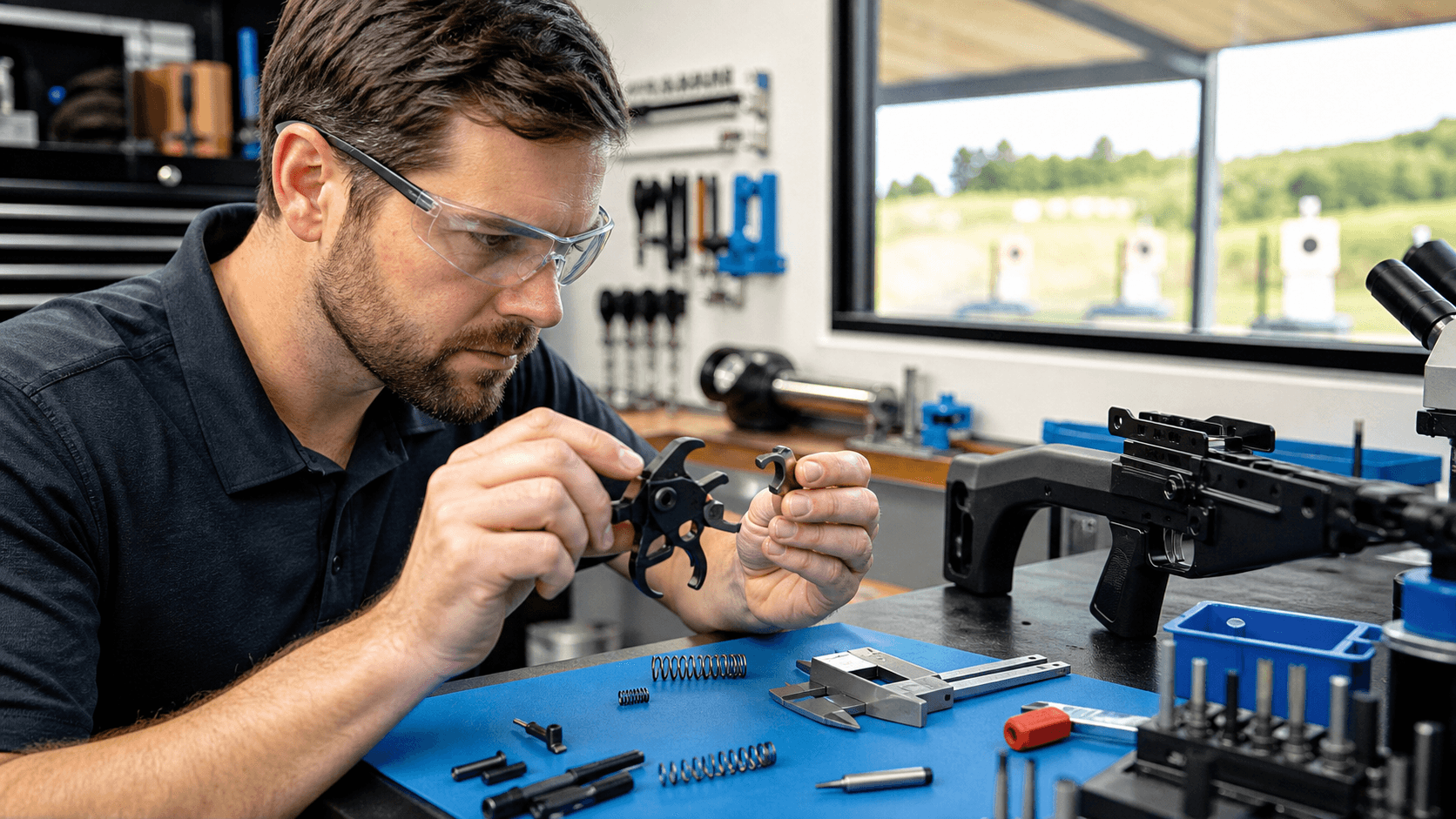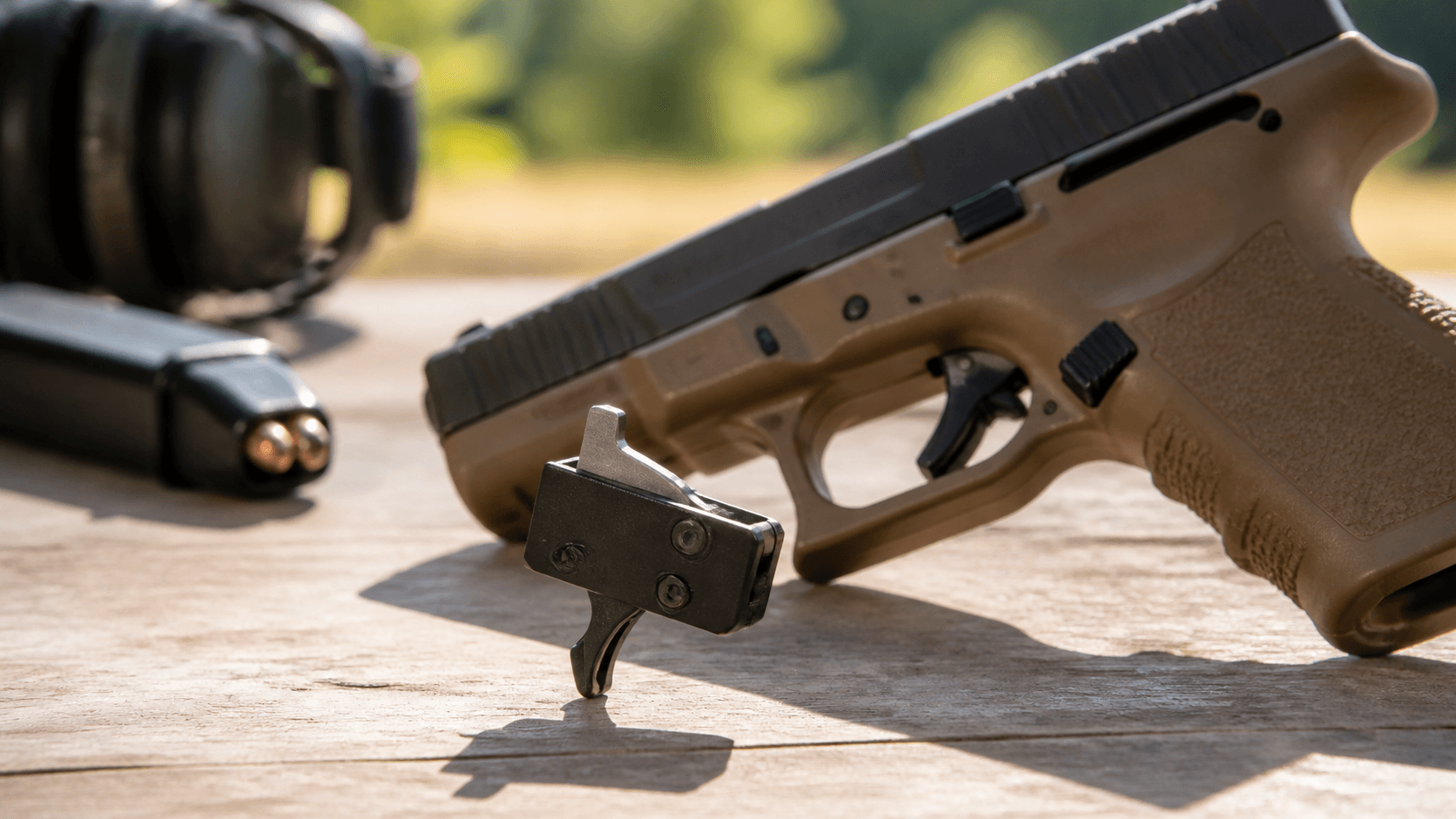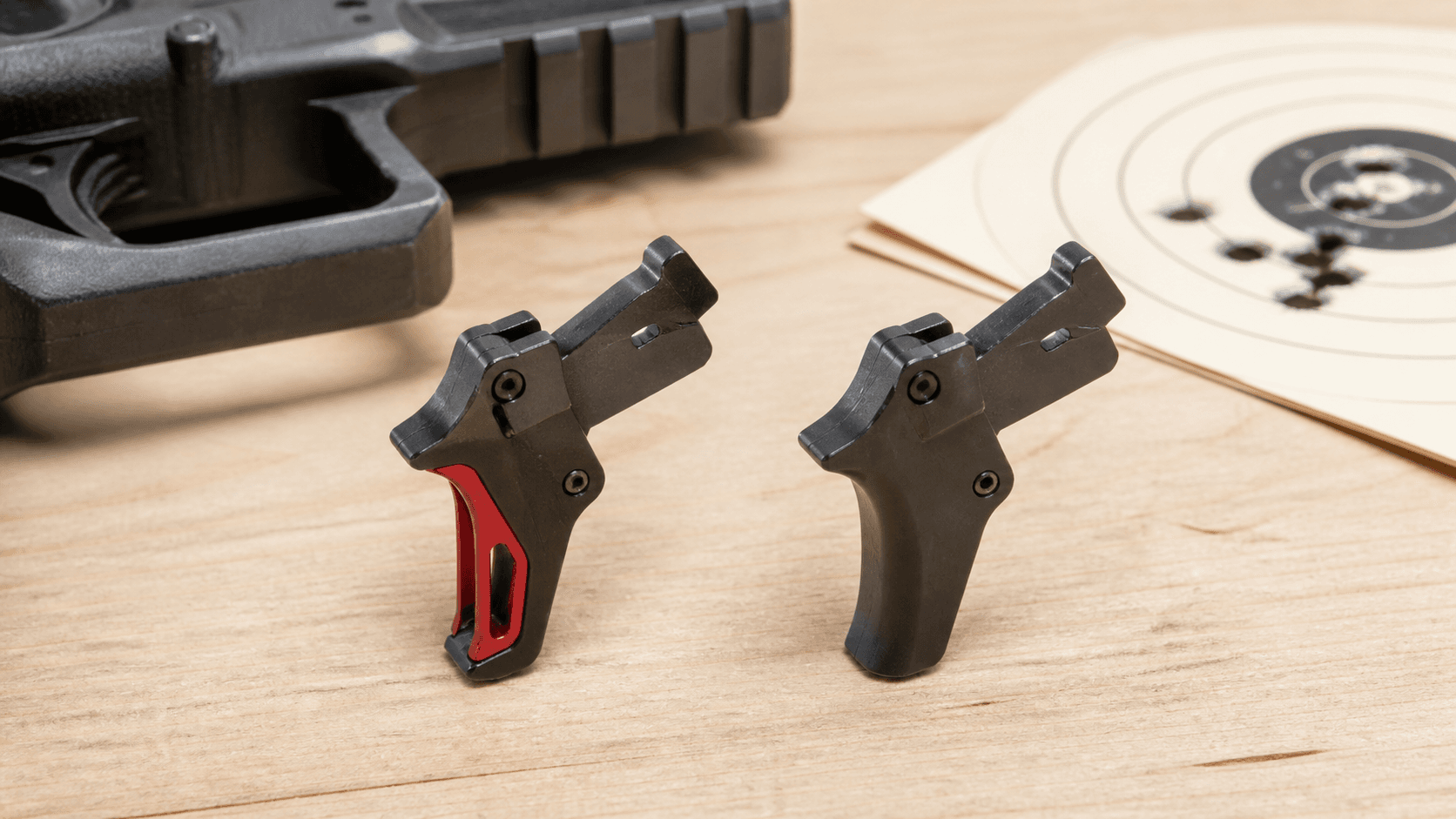
See What the Timer and Targets Reveal
A Canik Rival trigger comparison means more than dry-firing a few times and picking the one that feels nicer. At the range, the timer and the target tell a fuller story. We encourage dedicated range shooters to look for repeatable changes in split times, accuracy, consistency, and confidence before deciding whether a new setup truly helps.
The factory Canik Rival trigger gives you a capable starting point. Any recoil-assisted trigger component or trigger system should earn its place through controlled live-fire results, not big promises. Below, we'll focus on trigger feel, practical shooting performance, reliability checks, and safer ways to test a change during regular practice.
Establish a Fair Stock Trigger Baseline
Before changing a component, spend time documenting how your stock trigger performs. Memory is unreliable after an upgrade, especially if you have already spent a few weeks getting used to a different feel. A simple baseline gives you something real to compare against later.
Keep your sessions as similar as possible. Use the same firearm, ammunition type, target style, distances, and drills. You do not need a complicated spreadsheet, but a notebook or range log can reveal patterns that a quick impression will miss.
When evaluating the stock Canik Rival trigger, we suggest paying attention to more than pull weight. A trigger may feel light but still be harder for you to press cleanly at speed. Notice how the take-up feels, where the wall seems to appear, how consistent the break feels, and whether the reset helps you return to a steady sight picture.
Useful stock-baseline notes include:
- Perceived take-up and wall definition
- Break consistency from shot to shot
- Reset feel during controlled strings
- Trigger reach and finger placement comfort
- How easily you can settle the sights after recoil
Run a few repeatable drills across several range visits. Slow-fire groups at a controlled distance show how well you can press the trigger without time pressure. Timed pairs can show whether you keep control as the pace rises. Controlled five-shot strings and a familiar accuracy drill give you more information about both speed and shot placement.
Log group size, total time, shots outside your intended scoring area, and shooter-induced errors you noticed. A pulled shot, a rushed reset, or a poor grip should be noted honestly. The point is not to make the stock setup look good or bad. It is to create a fair starting line.
Measure the Canik Rival Trigger on the Range
After a trigger change, test one variable at a time. If you also switch ammunition, grips, sights, holsters, or drills, it becomes much harder to know what caused a result. We recommend returning to the same targets, distances, ammunition, and practice plan used for your stock baseline whenever possible.
Start with safe function verification according to manufacturer guidance and range rules before beginning live-fire testing. If you are unsure about installation, fit, or function, consult a qualified gunsmith or trained professional. Trigger-related work deserves care, and a range session is not the place to discover a possible problem.
Once you begin testing, record results that connect to your goals:
- First-shot time from a ready position
- Average split time during controlled strings
- Accuracy at slow, moderate, and faster paces
- Shot-to-shot consistency across multiple magazines
- Shots outside the intended scoring area
Fast splits alone do not prove that a Canik Rival trigger setup works better for you. If your time improves but your groups open up, the result may simply show that you are pressing faster than you can control. A useful improvement is one you can repeat while keeping acceptable hits.
Numbers matter, but your notes matter too. Did the press feel more predictable? Could you track the sights more clearly through recoil? Did the reset feel easy to find without overthinking it? These details can explain why your results changed.
Pay attention to fatigue as the session goes on. A trigger can feel great for the first magazine and less natural after extended practice. By recording how the setup feels at the beginning, middle, and end of a range day, you get a more honest picture of long-session performance.
Compare Speed, Accuracy, and Consistency
The best comparison is usually balanced, not dramatic. A slightly quicker split time can be useful when the hits stay where you want them. On the other hand, a major speed gain means little if it leads to more shots outside the scoring zone or forces you to slow down on the next string.
When we review range results, we look for repeatability. One great run can happen for many reasons, including a stronger grip, better focus, or a lucky call on the shot. Several sessions with similar results are much more useful than one exciting target.
Ask yourself practical questions instead of chasing hype:
- Did group size improve at the same pace?
- Did shots outside the scoring zone decrease?
- Did sight alignment stay steadier through recoil?
- Could you repeat the result on another range visit?
- Did the trigger feel predictable when you were tired?
Your skill and training habits still matter most. A trigger can change how you interface with the pistol, but it cannot replace grip discipline, sight management, recoil control, or consistent practice. Think of a trigger change as one part of a performance-focused range routine, not a shortcut around the fundamentals.
Plan a Safe Fall Range Test
Fall is a smart time to organize a testing plan before winter weather limits outdoor range days. Cooler temperatures, shorter daylight, wet surfaces, and layered clothing can all change how a range session feels. A heavier layer may affect your grip or draw practice, while lower light can make sight tracking harder than it was in summer.
Build your plan around a few repeatable sessions rather than trying to answer every question in one afternoon. Keep safety at the center of every test. Follow manufacturer instructions, applicable laws, and your range's rules. Confirm safe function before live fire, and stop testing if anything feels unusual or inconsistent.
An end-of-season review can also help you decide where your effort belongs. Your notes may show that a trigger change supported your goals. They may also show that your stock configuration performs well and that more ammunition and structured practice would make a bigger difference. Either result is useful because it is based on your own shooting.
Choose Data That Supports Your Setup
The right Canik Rival trigger decision is the one supported by your results, not another shooter's preference. Start with a documented stock baseline, make changes safely, and track the measures that match your range goals. When speed, accuracy, control, and confidence improve together over time, you have data worth trusting.
Find The Trigger Setup That Fits Your Goals
At G-Force CNC Solutions, we offer Canik Rival trigger options designed for shooters who want purposeful upgrades for range use. Review the available components, compare fitment details, and choose parts that support the performance characteristics you want to refine. If you need help selecting an option, contact us for straightforward guidance.