How Forced Reset Triggers Change Real-World Training
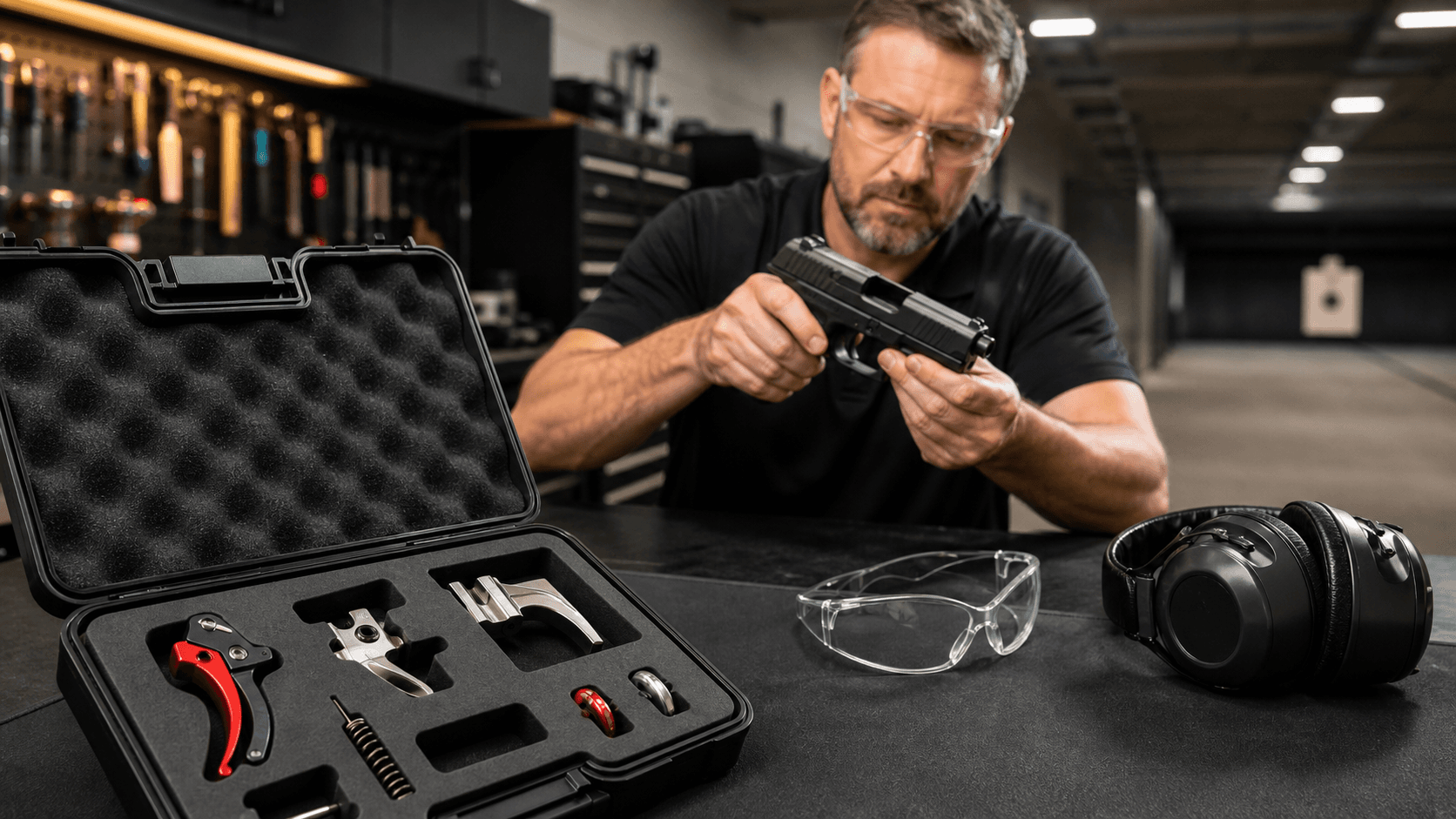
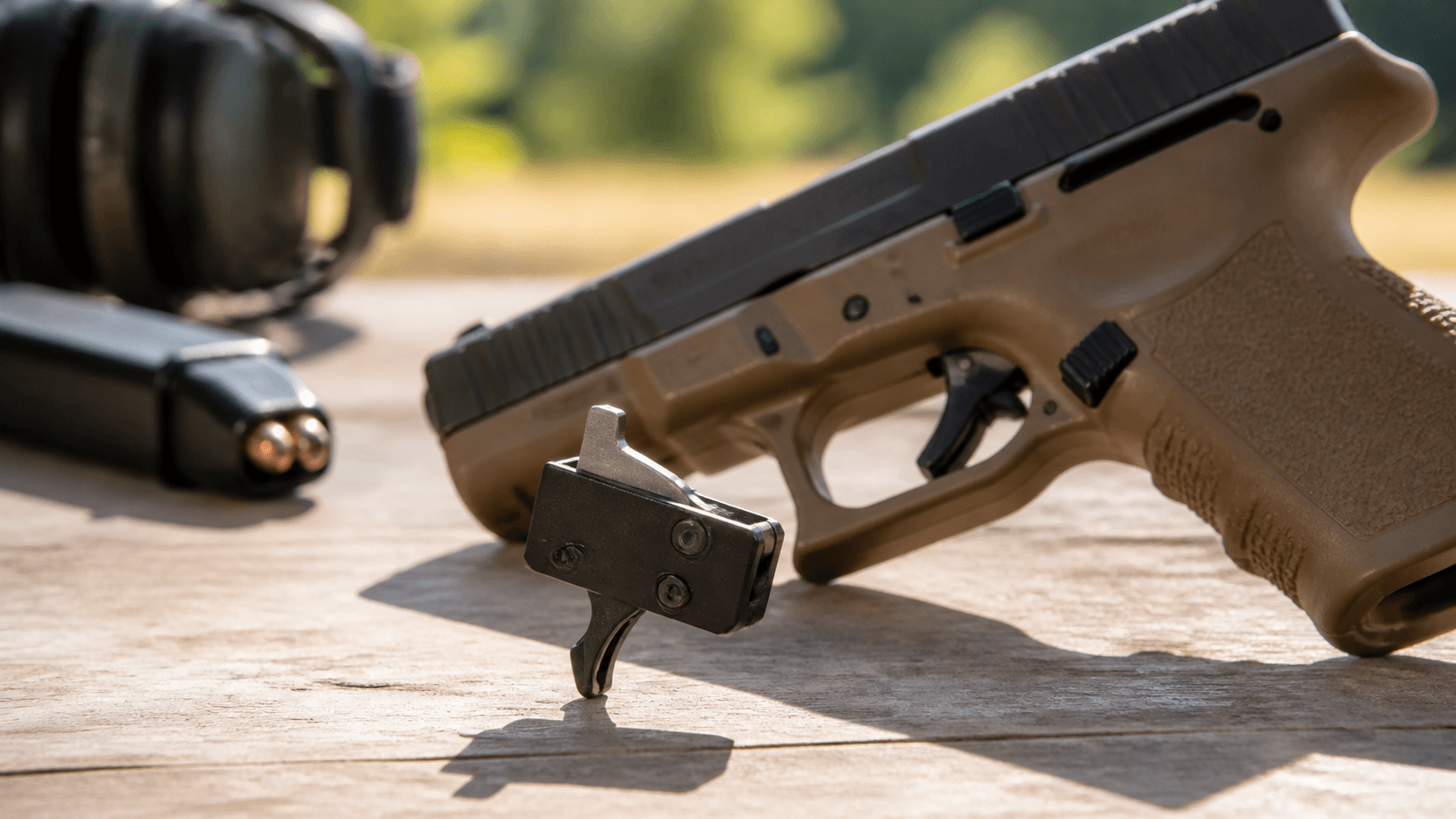
Forced reset triggers have turned into a hot topic for serious handgun shooters. The basic idea is simple: the trigger is pushed forward to reset during recoil, instead of waiting for your finger to move it back out on its own. You still have to press the trigger each time for every shot, but the reset feels faster and more positive than a standard trigger.
That extra help on the reset is what everyone talks about for speed. But the real value shows up when we start thinking about training. Forced reset systems can change how we look at recoil control, trigger work, and how we run realistic drills, not just flat-out mag dumps on a sunny afternoon.
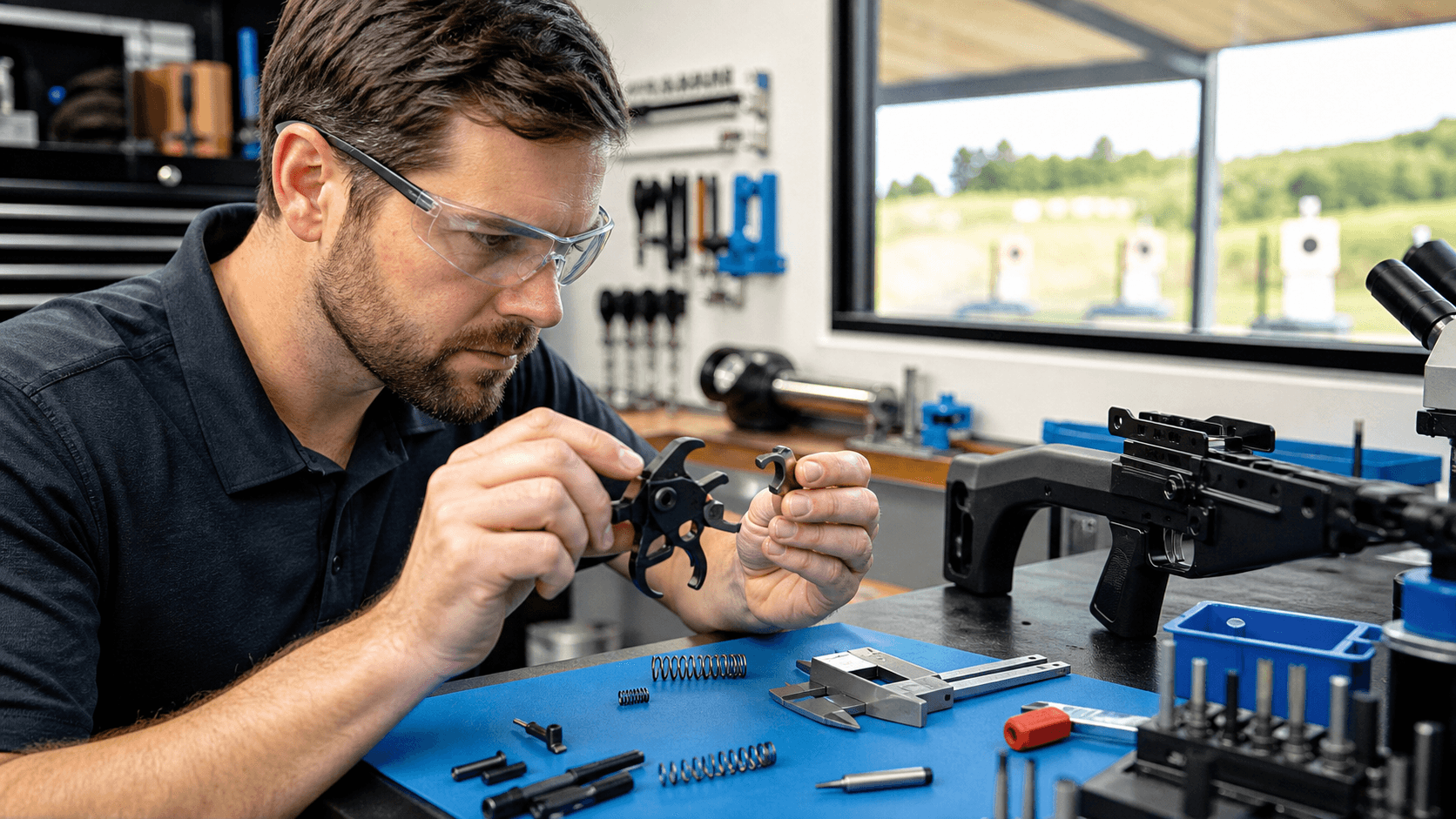
Late summer is prime time for that kind of work. Many shooters are getting ready for fall matches, hunting trips, and high round-count classes in warm, dry conditions. This is when small gear changes can stack into real gains. When we design recoil assisted and forced reset triggers, we focus on that kind of long-term consistency and durability, not hype that fades after one fun range day.
Moving Past Faster Splits to Smarter Shooting
Most talk around forced reset triggers stops at one point: faster splits. While speed is fun, it is far from the whole story. If the hits are off the target or all over the scoring zones, speed alone does not help you in real training or serious use.
We like to separate two ideas:
- Chasing raw rate of fire
- Building repeatable and accountable shooting
Raw rate of fire is just how fast you can send rounds. Accountable shooting is different. It means:
- Accurate hits at realistic distances
- Working from ready or from a holster
- Running a timer and holding yourself to standards
A good forced reset trigger pushes you to pay attention to timing. The gun cycles, the trigger kicks forward, and your brain starts to link three things together: the sight picture, the feel of recoil, and the reset. That rhythm can teach better discipline, even when you go back to a traditional trigger.
Summer range days help with this kind of testing. Long light, warm temps, and plenty of local matches mean you can run the same drills again and again. That extra time lets you compare shots with and without a forced reset trigger in an honest way, not just off one fast string.
How Forced Reset Triggers Reshape Recoil Management
During the recoil cycle, a forced reset trigger behaves a little differently from what most shooters are used to. As the slide moves and the gun unlocks, the trigger is pushed forward so it is ready for the next press by the time the pistol returns to battery. Instead of hunting for the reset point, your finger feels that quick, positive push every time.
That consistent feel changes how the gun rides in your hands. Since the trigger action is more predictable from shot to shot, you can focus harder on grip and sight tracking. Many shooters find it easier to notice when their support hand starts to loosen, or when they are over-gripping with the firing hand and disturbing the sights.
Training ideas with a forced reset trigger often include:
- Working to hold a stable sight picture while shooting rapid strings
- Watching how far the front sight moves with each shot
- Adjusting stance and upper body tension until the gun returns to the same spot
For late-summer classes and long range sessions, recoil assisted systems built for high-volume use really matter. Warm weather, hot guns, and long drills can punish weak parts. That is why we build our trigger systems to handle high rounds and real heat, so the trigger keeps its feel from the first magazine to the last.
Drills That Unlock the Benefits of Forced Reset Triggers
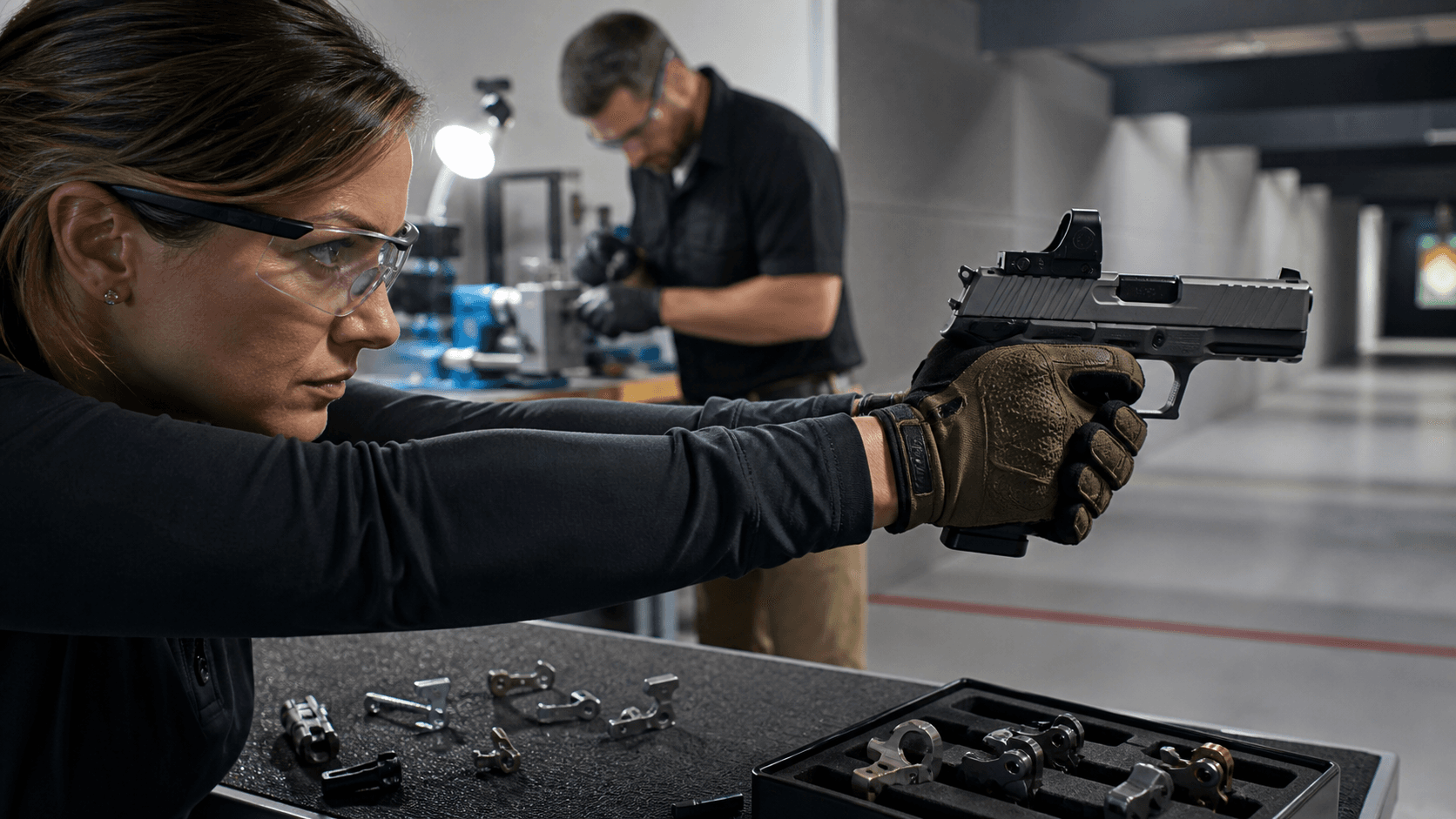
To get real value from a forced reset trigger, it helps to run drills that reward rhythm, not just raw speed. Here are a few ideas that fit into short, high-value practice blocks.
Controlled pairs at distance:
Pick a target at a distance that makes you work. Fire two shots with a clear sight picture each time. Focus on how quickly you can accept the sights returning after the reset, not on how loud the timer sounds.
Cadence drills on multiple targets:
- Set up two or three targets side by side
- Fire one shot on each target at a steady rhythm
- Try different cadences while keeping hits inside your chosen zone
Accountability drills like push then confirm:
Shoot a short string at a challenging pace, then slow down for a final, precise shot. The forced reset trigger helps you feel the switch from fast rhythm to careful press, which is a big part of match and defensive style training.
To make the most of summer ammo:
- Keep practice blocks around 50 to 100 rounds
- Use a shot timer for every drill
- Score your targets and write down results
Video from behind the shooter can help you compare forced reset performance to a standard trigger on the same drills. Instructors and training groups can slot these systems into skill nights by keeping the same safety rules and standards: clear briefings, strict muzzle control, and no loose horseplay around the line.
Safety, Responsibility, and Policy in a Fast Trigger Era
There is a lot of confusion out there about what a forced reset trigger does. Some people think it turns a semi-auto handgun into something else. In real use, a well-designed forced reset system still fires one round per press; it just makes the reset more active and easier to feel during recoil.
That different feel means safety has to come first. Good habits matter more, not less:
- Learn the reset feel with dry practice before live fire
- Keep the muzzle locked in a safe direction at all times
- Do not rush to full-speed strings until you can run slow, clean presses
The legal and policy picture around trigger tech keeps changing. We always recommend that shooters stay up to date on current federal and state guidance, especially before traveling to another area for a class or competition. Rules in one place might not match rules in another.
Serious shooters treat any enhanced trigger as a tool that demands more discipline. The goal is clean gun handling, clear thinking, and full control of every shot, even when the trigger helps you reset faster than you were used to.
Turning Summer Trigger Time Into Long-Term Skill Gains
Warm-weather training is a great chance to run real comparisons. Pick your main handgun platform and build a simple plan. Start with a baseline using the factory trigger across a small set of drills, then repeat those drills with a forced reset trigger installed.
You might track things like:
- Average times on core drills
- Hit quality and consistency at different distances
- How your hands and forearms feel after higher round counts
As the weeks go by, notice more than just your shot timer numbers. Think about how the reset feel, recoil control, and sight return affect your confidence in classes and matches. Ask yourself if you can see and call your shots better. Pay attention to whether tight strings feel smoother, not just faster.
At G-Force CNC Solutions, we build high-precision recoil assisted and forced reset trigger systems for shooters who care about consistency, durability, and real performance. If you commit to a focused training block with one of these triggers, and track your work honestly, you can turn late-summer range time into skill that stays with you deep into fall and winter.
Upgrade Your Firearm With Precision-Engineered Components Today
If you are ready to enhance reliability and performance, explore our carefully machined forced reset trigger options. At G-Force CNC Solutions, we design and produce components that meet demanding standards for serious shooters and builders. Let us know what you are working on so we can help you choose the right parts and configurations. If you have questions or need a custom solution, contact us to discuss your project with our team.