Handgun shooters are talking about triggers a lot more lately, and not only about pull weight and take-up. They are asking what their triggers are actually made of, and how they are made. That is smart, because the way a trigger is built has a big impact on feel, safety, and how long it will last under real training. As the weather warms up and people start stacking rounds in classes and matches, weak parts start to show.
In this guide, we will walk through the three big ways handgun triggers and fire control parts are made: CNC machining, MIM, and casting. We will keep the language simple, focus on practical pros and cons, and point out when each method makes sense for Glock, Canik, Taurus, and similar platforms.
Why Trigger Manufacturing Method Matters More Than Ever
Trigger parts used to be something many shooters never thought about. You bought a pistol, maybe swapped sights, and called it good. Now more people are running structured classes, shooting matches on hot weekends, and tracking round counts. Once you hit higher use, small details like internal parts start to matter a lot.
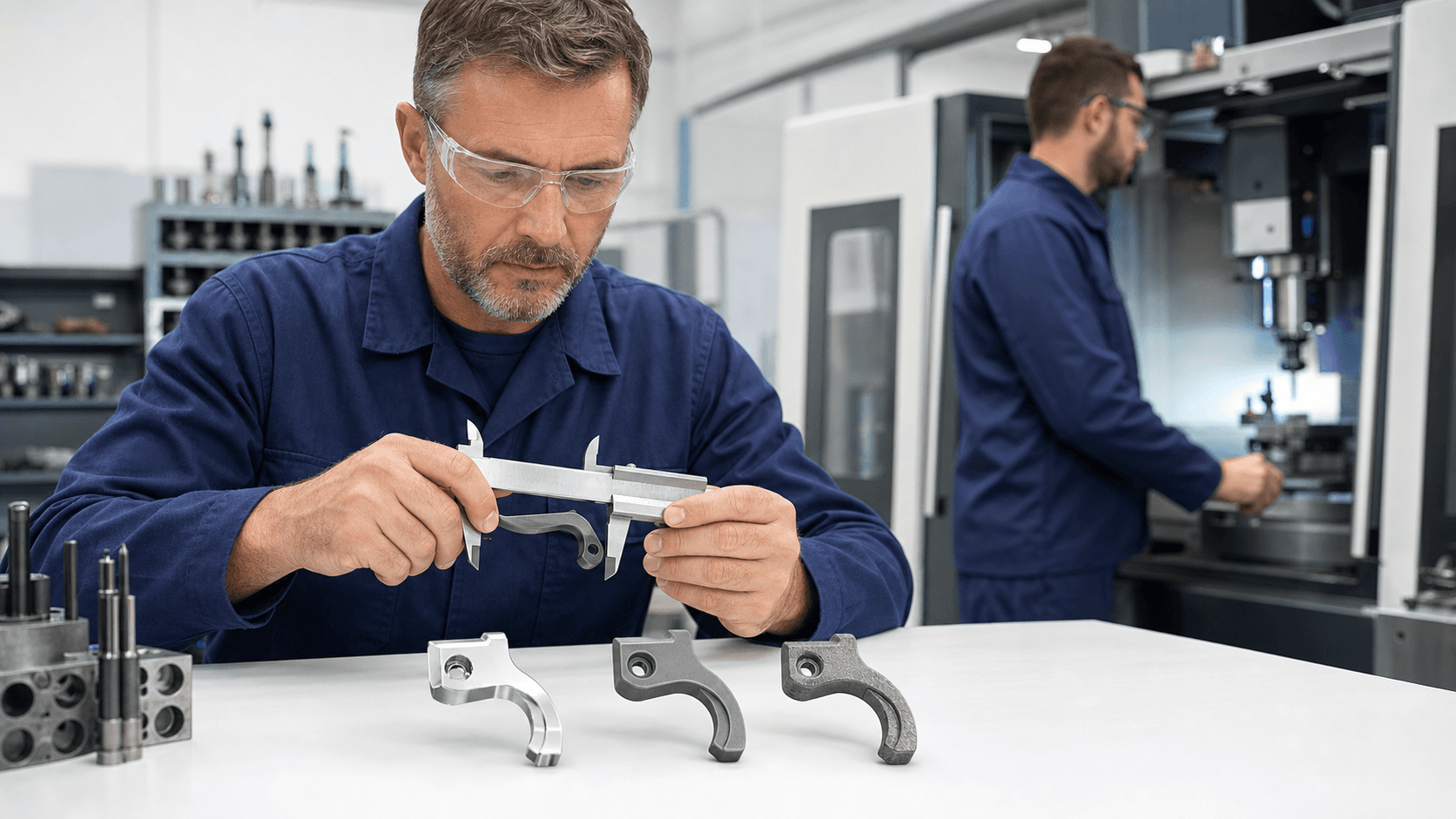
There are three main ways those parts are built:
- CNC machining, where parts are cut from solid metal
- MIM, short for metal injection molding
- Casting, where metal is poured into a mold
What is at stake?
- Durability at high round counts
- Consistency of break and reset
- Safety margins on engagement surfaces
- Long-term value when you shoot hard
We design and build high-precision CNC machined recoil assisted triggers and components here in the United States, so we care deeply about how each method performs when shooters push their guns during warm weather training and competition.
How CNC Machined Triggers Deliver Precision and Confidence
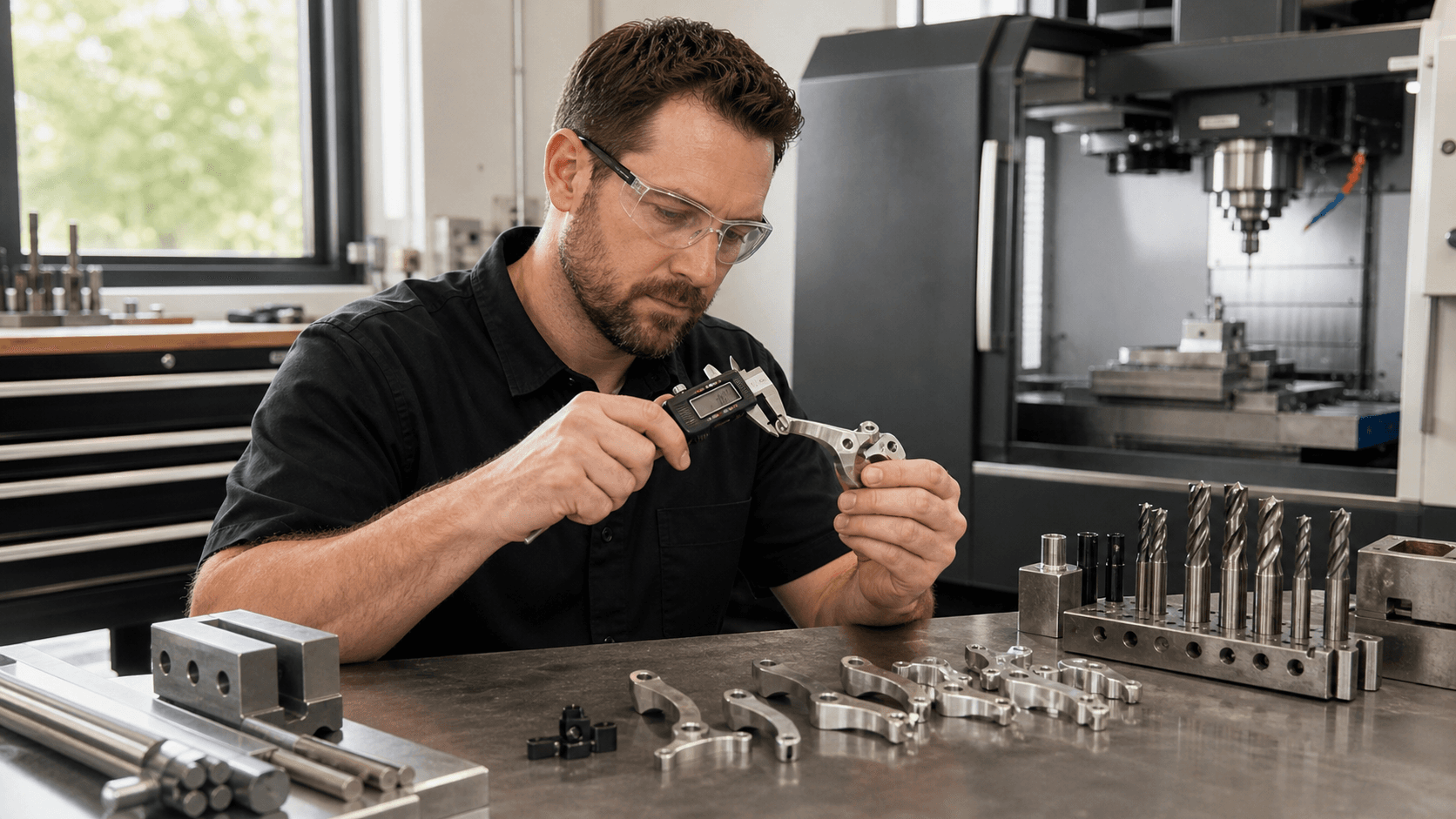
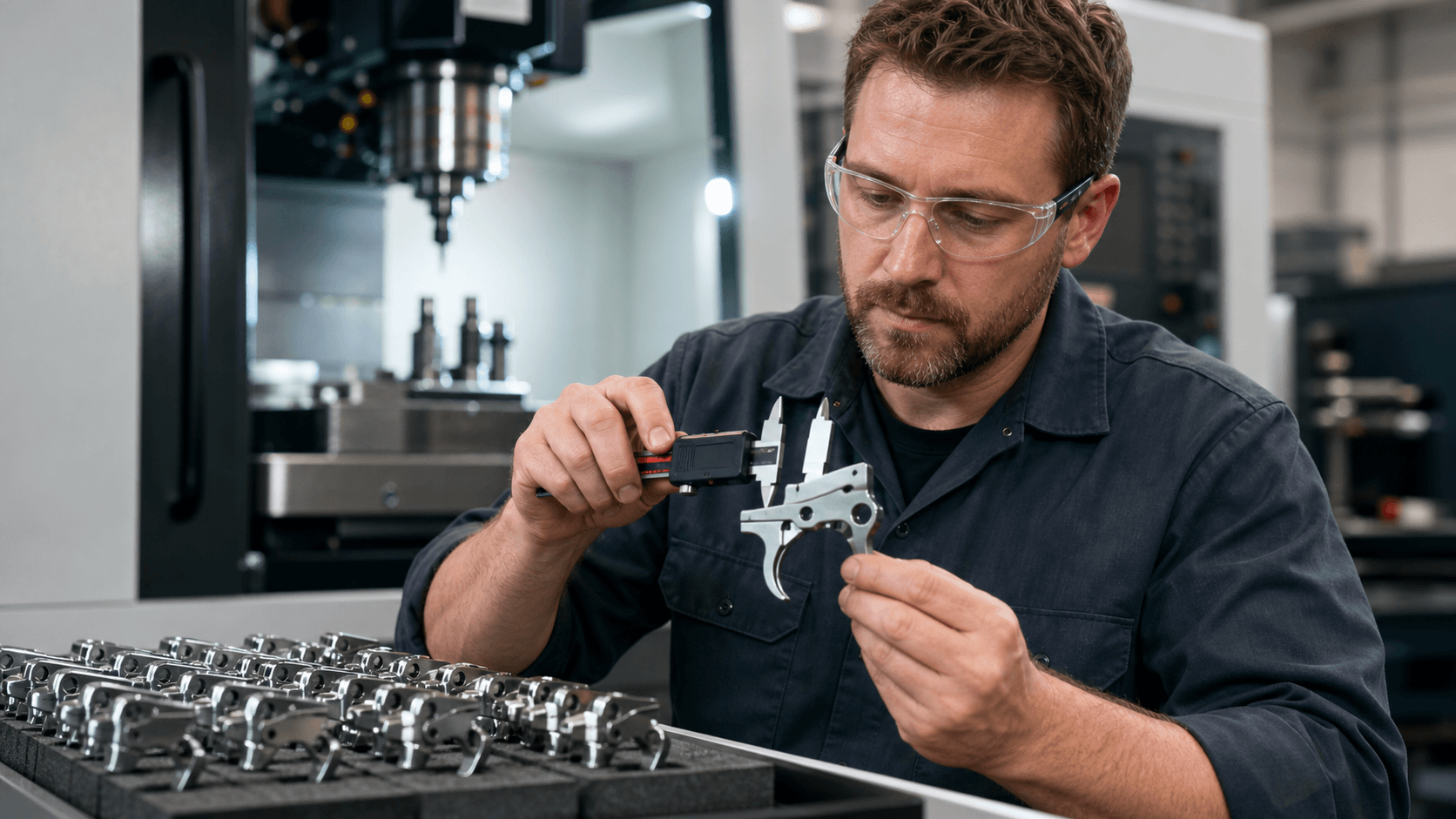
A CNC machined trigger system starts as solid bar or billet stock. A computer-controlled machine cuts away material until only the finished part remains. The grain of the metal stays continuous, and we can hold very tight tolerances on every cut and hole.
That gives some clear performance gains:
- Cleaner, more defined wall before the break
- Crisp, repeatable break without surprise grit
- Predictable reset that feels the same every time
- Less part-to-part variation in multi-gun setups
When someone is training in the summer heat and fatigue sets in, that kind of predictability builds confidence. The shooter knows where the shot will break and how the reset will feel, even late in a long class or match.
On durability and safety, CNC machining shines because:
- The internal structure of the metal has fewer hidden flaws
- Critical contact points can be shaped and finished very precisely
- Edges and radiuses can be controlled to reduce stress risers
That means better long-term reliability in common striker-fired platforms, especially when dry fire and live fire round counts both climb. While CNC parts usually cost more up front, they tend to last longer and stay consistent, so serious shooters often see them as a long-term investment in trust.
Our team at G-Force CNC Solutions leans into this strength. By keeping everything CNC machined and U.S. made, and by designing recoil assisted trigger systems around that level of precision, we focus on giving shooters a trigger feel they can count on across seasons of heavy use.
MIM Triggers Explained: Strengths, Limits, and Misconceptions
MIM, or metal injection molding, works very differently. Fine metal powder is mixed with a binder, injected into a mold, then heated so the metal fuses together. This lets factories make complex shapes in large batches with less machining.
Some key points about MIM:
- It is common in many stock triggers on popular handguns
- It is attractive for large scale production runs
- It allows detailed shapes that might be harder to machine directly
Many shooters worry that all MIM parts are brittle. The truth is more balanced. When MIM is well designed and properly processed, it can be fine for casual range use and moderate round counts. Problems usually show up when parts are poorly engineered or pushed far beyond the use they were built for.
Compared with a CNC machined trigger system, MIM often has:
- Slightly different surface quality on key engagement areas
- More microscopic porosity inside the part
- Less predictable behavior after extreme round counts or abuse
For someone who shoots a few magazines once in a while, MIM parts in a stock pistol can work just fine. For a shooter planning long classes in high heat, frequent dry fire, and regular local matches, stepping up to CNC can bring more peace of mind and more consistent trigger feel.
Cast Triggers and Components: Budget-Friendly but Compromised
Casting is the older, simpler method. Metal is melted, then poured into a mold and allowed to cool. Investment casting is a more refined version, but the basic idea is the same: shape first, then cleanup and finishing later.
Why do some pistols still use cast pieces?
- Lower tooling and part costs
- Works for older designs and budget lines
- Acceptable when the gun will not see heavy training
The trade-offs show up in a few places:
- Grain structure is less uniform than solid bar stock
- There is a higher chance of hidden voids or weak spots
- Surface quality on sear or striker contact areas can vary more
On the range, this can mean extra creep, a mushy break, or an inconsistent reset. Over time, especially when the gun lives in hot vehicles or gets shot hard during summer league nights, wear patterns can grow and feel can slowly drift.
This is why shooters who move from light, casual use into serious practice often move away from cast internal parts. They want smoother, more predictable, and more durable components, which usually means replacing cast with MIM or CNC, and often CNC once they start really pushing their gear.
Choosing the Right Trigger Tech for Your Gun and Goals
So which trigger build style makes sense for you? It depends on how you use your pistol and what you demand from it.
Think about your use case:
- Daily concealed carry with regular practice
- Duty or defensive role with structured training
- USPSA or IDPA competition with weekly matches
- High volume summer classes and clinics
- Occasional relaxed range outings
In general:
- Light range only use, cast or MIM can be enough
- Moderate practice, MIM can work but CNC brings nicer feel
- Heavy training and competition, CNC is often the better choice
Total cost is more than the price of the part. It includes expected life, risk of failure at a bad time, and how much you value a trigger that feels the same at high round counts as it did when new. For serious shooters, especially on popular striker-fired setups, a CNC machined trigger system is usually the clear pick when they want consistent performance all season.
At G-Force CNC Solutions, our focus is on U.S. made CNC machined recoil assisted triggers for Glock, Canik, and Taurus style platforms. We design for shooters who are ready to push past casual plinking and step into real training and competition, especially as the weather warms up and the round counts climb.
Upgrade with Purpose: Turn Specifications Into Performance
Before swapping anything, it helps to be honest about how you actually use your handgun. Think about your last few months. How often did you train, and how hard did you push your gear? Are you planning a busy stretch of matches and classes this summer?
A simple plan looks like this:
- Inspect your current trigger parts for obvious wear or damage
- Pay attention to any new grit, creep, or weak reset during dry fire
- Decide what matters most to you, lighter pull or a more predictable feel
- Match your trigger choice to your real round count and training goals
If you are running cast or basic MIM parts and starting to see small issues, that might be a sign it is time to move up to a CNC machined trigger system. We build CNC parts for shooters who care about turning those small details on the spec sheet into real performance and confidence when it is time to step onto the line.
Get Started With Your Project Today
If you are ready to upgrade performance and reliability, our CNC-machined trigger system is built to meet your exacting standards. At G-Force CNC Solutions, we precisely engineer every component so you can focus on shooting with confidence. Tell us what you need and we will help you choose or refine the right setup for your platform. Have questions or a custom request in mind, simply contact us and we will walk you through your options.