Precision You Can Feel Every Time You Pull the Trigger
A good trigger is more than a part inside your gun. It is the feeling at your fingertip every single time you press for the shot. When the break is clean, crisp, and repeatable, your groups tighten, your confidence grows, and range days in the summer heat become a lot more fun.
That smooth feel is not an accident. It comes from careful design, tight tolerances, and very controlled CNC machining for firearm components. We spend our days turning digital models into real steel parts that you can actually feel in your shooting. In this article, we will walk through how that works, why it matters, and what goes into a high-performance trigger system like our Canik Recoil Assisted Trigger, also known as the RAT.
Why Firearm Triggers Demand Extreme Precision
The trigger is the main link between you and your firearm. Your grip, your stance, your sight picture, everything comes together at the moment your finger moves that trigger. In a defensive situation, a match, or just a relaxed day on the range, that feel can make a big difference in control and timing.
A quality trigger system is judged by several key traits:
- Consistent pull weight from shot to shot
- Minimal creep before the break
- A clean, crisp break with no gritty spots
- A positive, easy-to-feel reset
- Reliable function across thousands of rounds
All of these traits go back to geometry and size. The contact between the sear and the hammer, the shape of the trigger bar, the location of each pivot, every surface where metal meets metal, all of it needs to be controlled within very small limits. Even a change of a few thousandths of an inch in the engagement surfaces can:
- Add or remove creep
- Change the pull weight at your finger
- Affect drop safety margins
- Speed up or slow down reset
- Increase or reduce long-term wear
That is why trigger parts are not just "close enough." For safety, feel, and durability, they have to be right, and they have to be repeatable.
How CNC Machining Shapes Modern Firearm Components
CNC machining for firearm components is simply using computer-controlled machines to cut raw material into finished parts. Instead of turning handwheels, we program the tool paths with CAD and CAM software, then let the machine follow those paths again and again with very high accuracy.
The basic process goes like this:
- Design and simulation: We start with a 3D model and run digital checks to see how parts move together.
- Material selection: We choose steels and alloys that handle impact, wear, and corrosion.
- Roughing passes: We remove most of the material quickly to get close to the final shape.
- Finishing passes: We cut slower, with sharper tools, to hit final dimensions and surface quality.
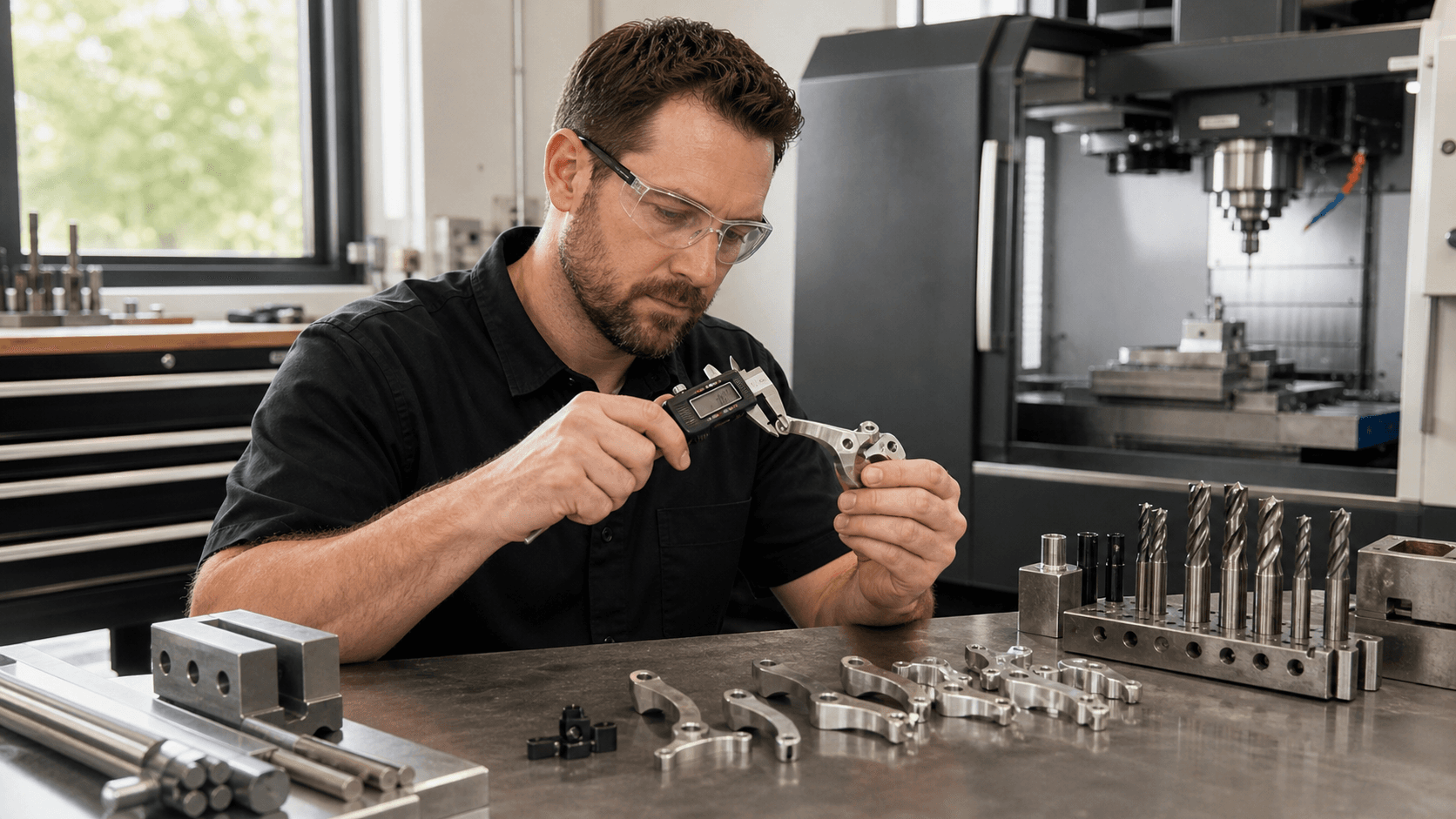
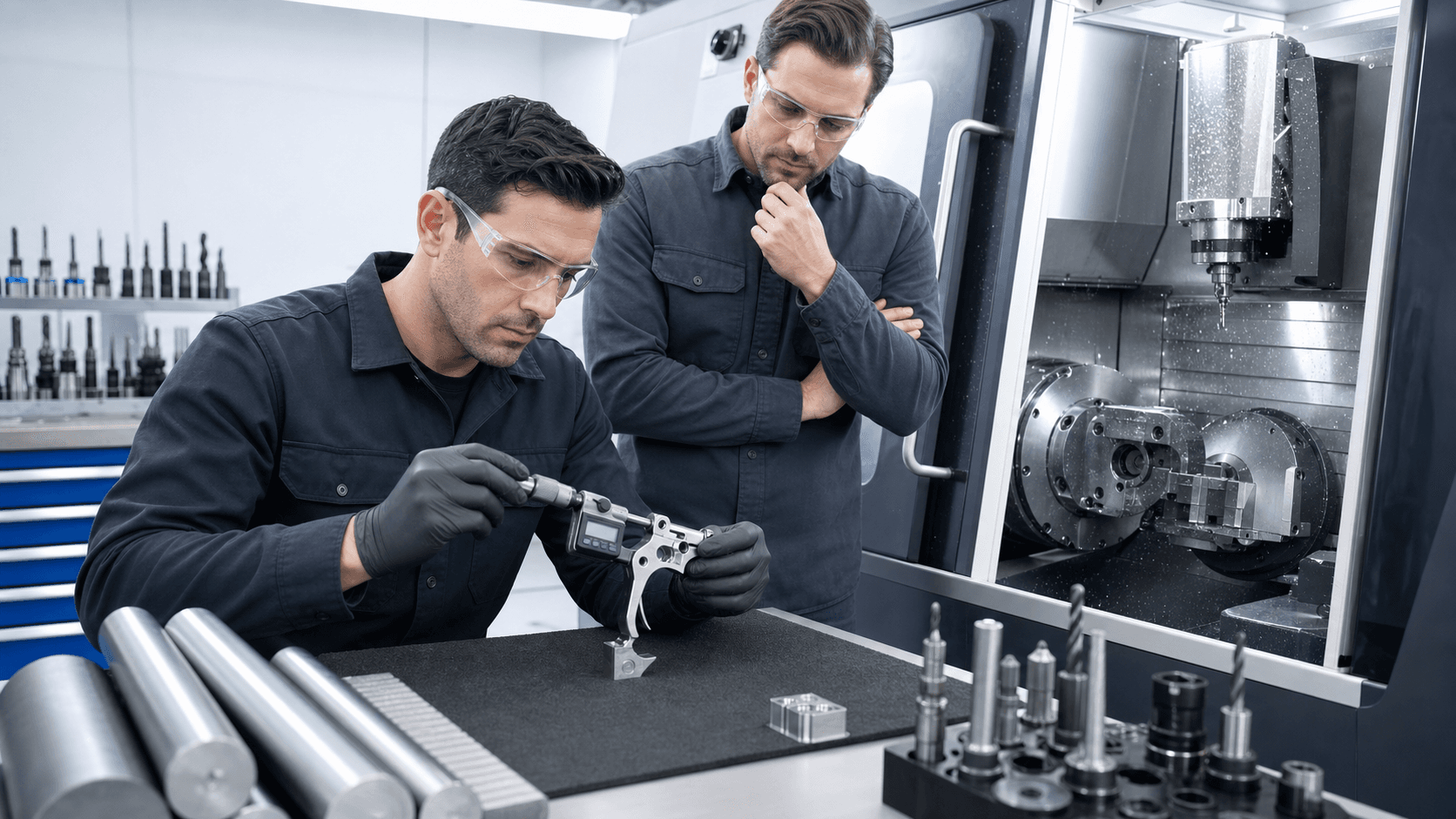
- Inspection: We check sizes, shapes, and key surfaces to confirm they match the model.
Each step affects how the trigger feels in your hand. If the design is off, you get odd travel or unsafe engagement. If roughing creates stress in the part and finishing does not correct it, you might see drift over time. If surfaces are not cut cleanly, friction goes up and the trigger feels heavy or gritty.
Compared to older methods like simple manual machining or casting, CNC machining gives:
- Tighter tolerances on small, critical features
- Smoother sear and contact surfaces right off the machine
- Better part-to-part consistency in each batch
- Easier updates when we improve a design or support a new pistol model
That repeatability is a big reason modern trigger systems can feel so clean and consistent.
Inside G-Force Crafting High-Performance Trigger Systems
At G-Force CNC Solutions, we focus on trigger systems and related components. Our process starts long before chips hit the floor. We build detailed 3D models, then refine them based on feedback from actual shooters who run their guns in training, matches, and carry roles.
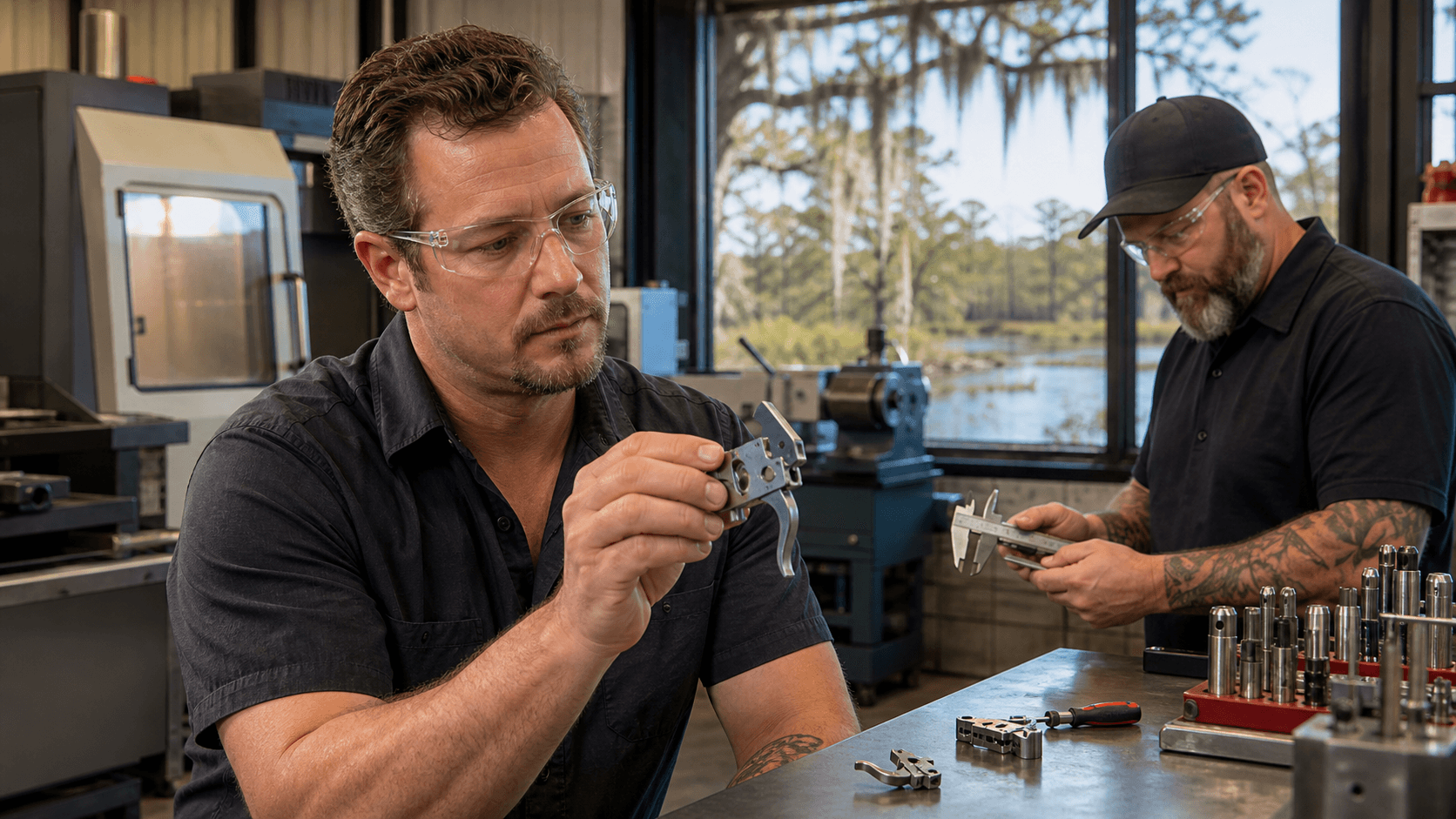
Once the model is set, we move into prototyping. We cut early parts, test fit them in real firearms, and then head to the range. We pay close attention to:
- Take-up distance
- Wall definition and break
- Reset distance and strength
- Any signs of drag or stacking
Our Canik Recoil Assisted Trigger, the RAT, is a good example. Its geometry is designed so that the angles between the trigger shoe, bar, and sear work with the recoil and spring system, not against it. The surface finish on key contact areas helps keep the pull lighter and more responsive, while still supporting safe engagement. Spring selection and placement are tuned to give a quick, positive reset that is easy to feel under stress.
Quality control runs through the whole process. We use:
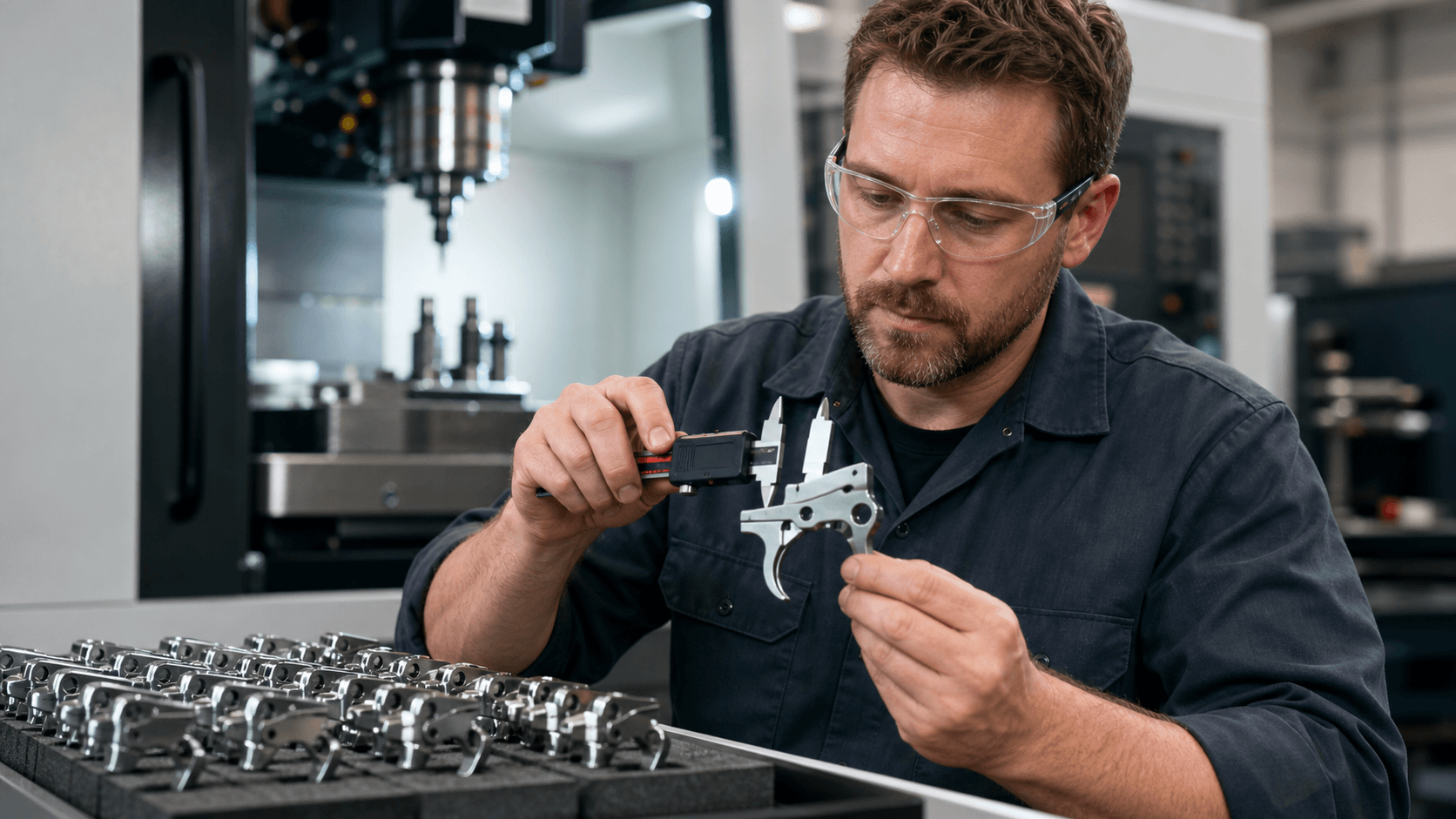
- Multi-point dimensional checks on each batch
- Surface finish checks on sear and contact faces
- Test fitting in actual frames to confirm function
The goal is simple: every trigger system should feel as close as possible to the last one, even after long, hot range sessions in the middle of summer.
Materials, Tolerances, and Finishes That Make a Difference
Trigger parts deal with repeated impact, friction, and, for many shooters, sweat and humidity from hot July range days. That is why material choice matters so much. We focus on premium steels and alloys that offer:
- High hardness for wear resistance
- Good toughness to handle impact loads
- Strong corrosion resistance in damp or sweaty conditions
Tolerances are the allowed "wiggle room" around a target dimension. When we talk about thousandths of an inch, it might sound tiny, but you can feel it. For example, a little extra clearance in a pivot hole can turn into side play at the trigger shoe. Too much engagement and the break feels long and heavy. Too little and safety margins can be affected.
Surface finish and coatings also play a big role. Common steps include:
- Polishing engagement surfaces to reduce friction
- Hardening processes like nitriding on certain parts
- Advanced coatings such as DLC on high-wear areas
These treatments reduce drag in the trigger pull, sharpen the reset feel, and help the parts hold their dimensions and function over long use. That matters in carry guns, competition pistols, and training fleets that see a lot of rounds.
Choosing CNC Machined Upgrades You Can Trust
When you are looking at CNC machined trigger upgrades, it helps to have a simple checklist. Here are a few points we suggest paying attention to:
- Clear specs on pull weight and travel
- Straightforward compatibility with your firearm model
- Honest descriptions of changes in feel and performance
- Evidence of real-world testing by serious shooters
- A focus on safety features, not just lighter pulls
It is also smart to think about your actual use. Are you setting up:
- An everyday carry pistol where safety and reliability are top priority?
- A home defense firearm that needs to be simple and predictable under stress?
- A competition gun where speed and reset are the main focus?
- A training or range pistol that will see high round counts in summer heat?
Matching the trigger system to the role helps you get the right blend of feel, control, and safety.
At G-Force CNC Solutions, our goal is to bring the benefits of precise CNC machining for firearm components directly to your shooting experience. From our high-performance trigger designs to the industry's first Canik Recoil Assisted Trigger, we focus on details you can actually feel every time you press the trigger.
Get Started With Your Project Today
If you are ready to move from concept to finished parts, our team at G-Force CNC Solutions is here to help. Explore our capabilities in CNC machining for firearm components to source precision parts that meet your exact specifications. We will work with you to confirm materials, tolerances, and finishes so your components perform reliably under real-world conditions. Have questions or need a custom quote? Simply contact us and we will respond with clear next steps.