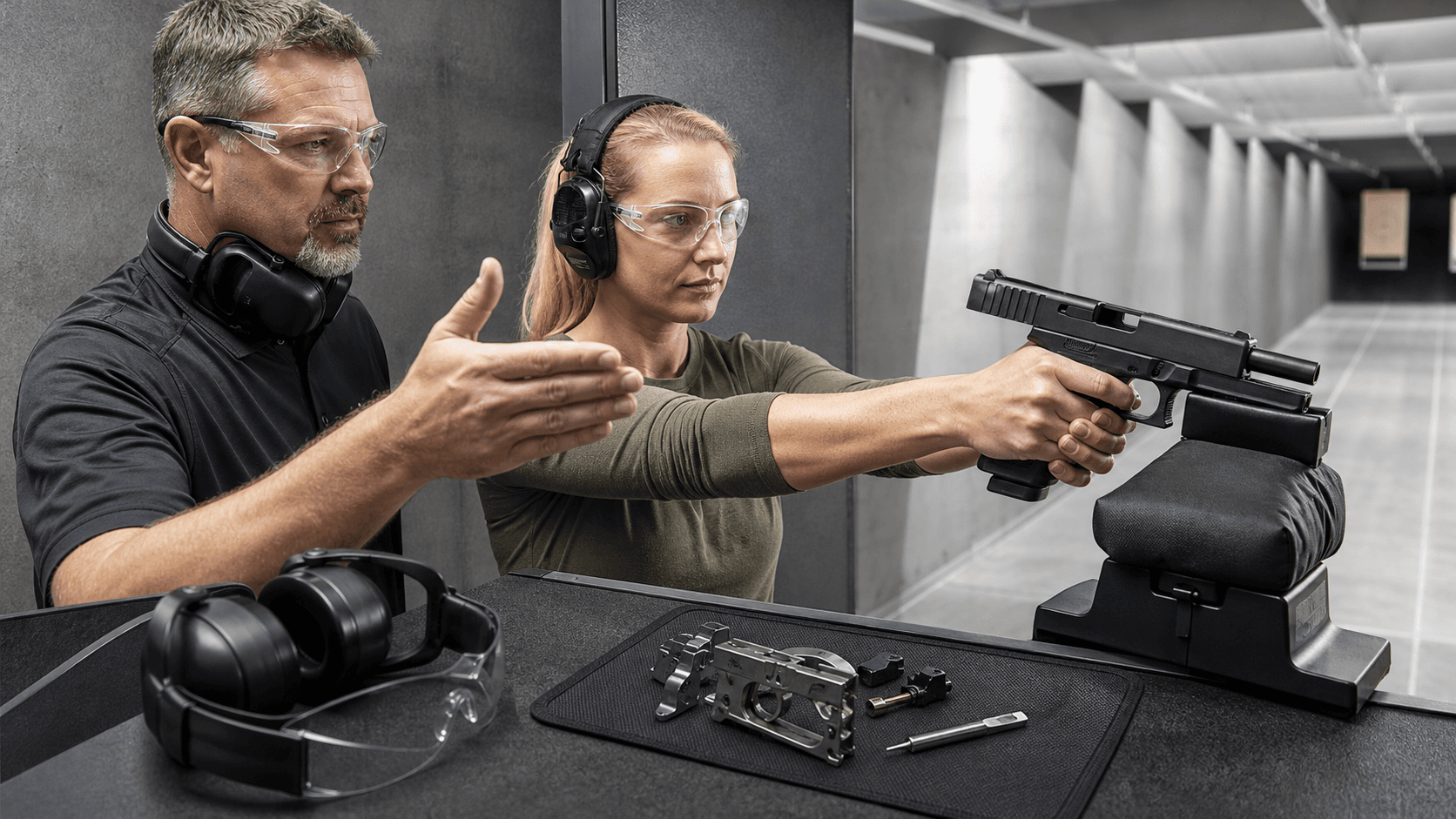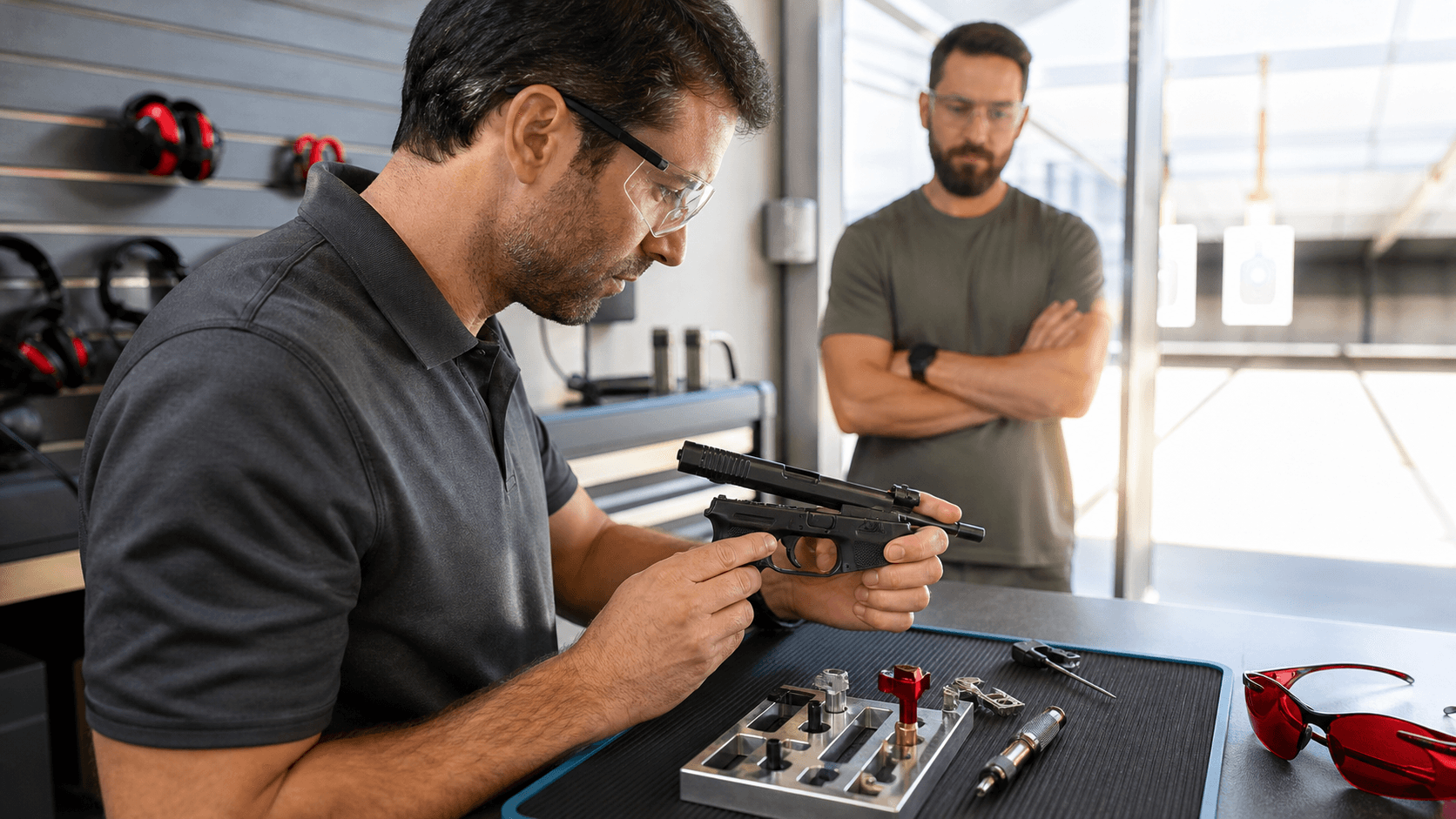
Owning a forced reset trigger means taking your shooting skills and your sense of responsibility to a higher level. This kind of setup can feel fast, smooth, and fun, but it also demands clear thinking about safety, law, and skill. When we add performance parts, we also add more responsibility to use them the right way.
In this guide, we will talk through what a forced reset trigger actually does, how it fits into current law, and how responsible owners train, maintain, and run their gear. Late summer is a perfect time to think about this, since many of us are packing for range days, matches, and training classes while the weather is still warm and dry.
Responsible Performance Starts Before You Pull the Trigger
A forced reset trigger is a trigger that pushes itself forward after each shot. It helps your finger move back to the starting point faster, so you can make your next shot more quickly and with more control. You still move the trigger for every single round, but the trigger helps you reset.
That faster feel is what makes these triggers popular with experienced shooters. They can clean up split times, help you stay on target, and make drills feel smoother. But with that extra speed comes extra duty to stay safe and legal.
Late summer often means:
- Longer evening light at outdoor ranges
- Weekend matches and fun shoots with friends
- Travel to training classes in other towns or states
Before any of that, responsible owners slow down, check their gear, and review both safety rules and laws, so the fun never turns into a problem.
Understanding What a Forced Reset Trigger Really Does
Let us keep this simple. With a normal semi-auto trigger, you press, it breaks, the shot fires, and you let it move forward until it resets. With a forced reset trigger, the system pushes the trigger forward with more energy after each shot. That helps your finger get back to the reset point faster.
Key points to remember:
- The trigger still moves for every round
- Your finger must still press each time
- It does not fire multiple rounds from a single trigger press
That last part matters. A true full-auto conversion lets the gun keep firing while the trigger stays to the rear. A forced reset trigger should never do that. Respecting that line is part of using this kind of gear in a legally safe way.
High-quality CNC machining helps here. When parts are made with tight, consistent cuts and good materials, the trigger behaves the same way every time. That kind of predictable action supports safer, more confident shooting, because surprises are what we want to avoid on the range.
Legally Safe Use and the Changing Rules
Federal law usually makes a clear split between semi-automatic and fully automatic operation. Semi-auto means one shot for each separate pull of the trigger. Full-auto means the gun keeps firing with a single continuous pull until you let off or run out of ammo.
Forced reset trigger owners should understand that difference clearly, then stay up to date as agency guidance changes. Rules and interpretations can shift, and what was fine one season might be questioned the next. That is why smart owners:
- Read current ATF statements on trigger devices
- Follow trusted firearms law resources
- Talk with a qualified firearms attorney when something is unclear
If you plan to travel for late-summer or early fall matches, know that state and local rules may be stricter than federal law. Before you pack your pistol, check the laws in any state or city you will pass through. If there is any doubt, leave the part at home or get real legal advice first.
Range Etiquette and Safe Setup for Forced Reset Triggers
Good range habits matter even more when you run a faster trigger. Start slow. Do not jump right into rapid strings the first time you install it.
A smart first session might look like this:
- Load a few rounds at a time and fire slow, controlled shots
- Confirm the gun fires one round per trigger press
- Pay attention to how the trigger resets and feels under recoil
Set up your stance and grip to manage recoil. A solid, balanced stance and a high, firm grip will help you keep the muzzle in line and avoid climbing shots. Make sure your sights or optic are mounted well and hold zero, since higher round counts can shake loose weak hardware.
Late-summer weekends can make ranges busy. Responsible shooters:
- Tell the range officer what type of trigger they are running if asked
- Are ready to show safe function if anyone has a concern
- Keep muzzle discipline and trigger discipline absolutely strict
Your calm, polite behavior goes a long way toward showing that advanced gear and safe, legal shooting can go together.
Maintenance Habits That Keep You Safe and Reliable
A forced reset trigger depends on clean contact points and correct fit. Dirt, old lube, or worn parts can cause odd behavior that feels unsafe or inconsistent. Make regular inspection and cleaning part of your routine, especially when the weather is hot and dusty.
Focus on:
- Cleaning the trigger group, striker area, and any contact surfaces
- Checking pins, springs, and housing for wear or damage
- Watching for any sign of unintended doubles or strange reset feel
Using well-made, precisely machined parts from trusted sources helps avoid tolerance stacking and rough spots that can cause headaches. A simple way to plan your care is to tie it to round counts and seasons: a basic inspection every time you shoot, a deeper clean every few range trips, and a full check before major matches or training courses as summer turns toward fall.
Training Like a Pro with Advanced Trigger Technology
A forced reset trigger does not give you free skill. It only lets your skill show up faster. To use it well, invest time in training that focuses on control and accountability, not just speed.
Helpful drills include:
- Slow-fire groups at close range, focusing on clean presses
- Controlled pairs, making sure each shot has a clear sight picture
- Target transitions, where you call each shot instead of spraying
Dry-fire can also help, as long as you follow all safety rules and use proper dummy ammo if needed. Practice pressing and allowing the trigger to reset fully, instead of slapping or riding it carelessly. The goal is smooth, repeatable movement that gives you both speed and accuracy.
We like to see shooters keep notes on their training. Track your round counts, drills, and any issues you see. As you update parts or adjust your setup, you can see how your performance changes and make smarter choices over time.
Putting Responsibility First Every Time You Run Your Gear
A forced reset trigger is a precision tool for shooters who are ready to treat it with respect. Legally safe use starts with what you know, how you train, and the choices you make each time you pick up your pistol. The trigger should support your skills, not replace them.
Before you leave for a late-summer range day or match, run a quick mental checklist:
- Are you up to date on current laws where you live and where you are going?
- Is your firearm clean, inspected, and functioning as a true semi-automatic?
- Do you have any needed permits or documents with you?
- Do you have a plan for drills that put safety and shot accountability first?
At G-Force CNC Solutions, we focus on high-precision CNC machined components that help serious shooters get reliable, predictable performance on popular pistol platforms. Paired with thoughtful training and a responsible mindset, that kind of gear can be a solid part of a safe, legal, and high-performing setup for the rest of the shooting season.
Upgrade Your Build With Precision-Engineered Components
If you are ready to enhance reliability and performance, explore our carefully machined forced reset trigger options designed for serious builders. At G-Force CNC Solutions, we focus on tight tolerances and consistent results so your setup performs the way you intended. Browse our catalog to find the parts that match your goals, and if you need guidance or custom insight, contact us so we can help you move your project forward with confidence.