Understanding Firearm Trigger Technology for Controlled Range Use
Firearm trigger technology matters because the trigger is one of the main points of contact between you and a firearm's operating system. During controlled range practice, a predictable feel can support calm, deliberate handling and help you stay focused on safe routines. We put together this guide to explain broad trigger concepts, not to provide instructions for changing or modifying a firearm.
At G-Force CNC Solutions, we know dedicated range users often care about consistency, durability, and confidence in their equipment. Understanding what different trigger characteristics mean can help you ask better questions, choose equipment more thoughtfully, and prepare for responsible use at approved ranges.
Build Confidence Through Better Trigger Knowledge
A trigger does more than release the firing mechanism. It is the interface that responds to your finger pressure, timing, grip, and handling habits. Small differences in feel can change how a system responds during slow, focused target practice.
When range users discuss trigger feel, they may be talking about how smoothly the trigger begins to move, how clearly it reaches its release point, or how it behaves after a shot. A trigger that feels consistent from one repetition to the next can make it easier to maintain a disciplined rhythm during practice.
Precision CNC-machined components can also matter. Close tolerances, durable materials, and quality-focused manufacturing are all tied to the goal of repeatable operation through regular range use. We build our trigger components and accessories with controlled-range performance, durability, and consistency in mind.
Before selecting any trigger-related component, we recommend putting safety first. Proper training, the firearm manufacturer's guidance, current laws, and range policies should all shape your decision. Rules can change, and a product that may be allowed in one place may not be allowed in another.
How Trigger Technology Shapes Range Control
Knowing a few common terms can help you compare trigger systems without getting lost in technical language. These characteristics describe what you may feel during deliberate practice:
- Pull weight refers to the amount of pressure needed to activate the trigger.
- Take-up is the initial movement before the trigger reaches its release point.
- The break is where the trigger releases the firing mechanism.
- Overtravel is the movement that continues after the break.
- Reset is the point where the trigger returns to a position where it can be activated again.
None of these terms automatically means a trigger is right for every user or every purpose. They simply give you a clearer way to think about how a system feels in use. A distinct reset may feel easier for one experienced range user to recognize, while another may prefer a different overall feel during measured target practice.
Consistency is often the bigger concern. When the trigger experience is predictable, you can spend more attention on the fundamentals that should never be ignored, including muzzle awareness, trigger discipline, grip, sight alignment, and following range commands. Equipment should support your safe habits, not distract from them.
Some users may also encounter recoil-assisted and forced-reset-style systems. These are specialized trigger technologies intended for lawful, controlled use where permitted. Before considering any such system, make sure you understand how it operates, follow all manufacturer instructions, and confirm compliance with current federal, state, and local laws, along with the rules of the range you plan to use.
Match Trigger Characteristics to Your Range Goals
Your range goals should guide your equipment choices. If your focus is deliberate target practice, you may prefer a trigger feel that supports measured and repeatable inputs. The right option depends on your experience level, firearm platform, intended use, and comfort with the system.
It can help to think through the qualities that matter most to you:
- A clean, predictable break for focused practice
- A reset you can recognize consistently
- Durable construction for regular range sessions
- A familiar overall feel that does not pull attention away from safe handling
- Compatibility with your specific firearm platform
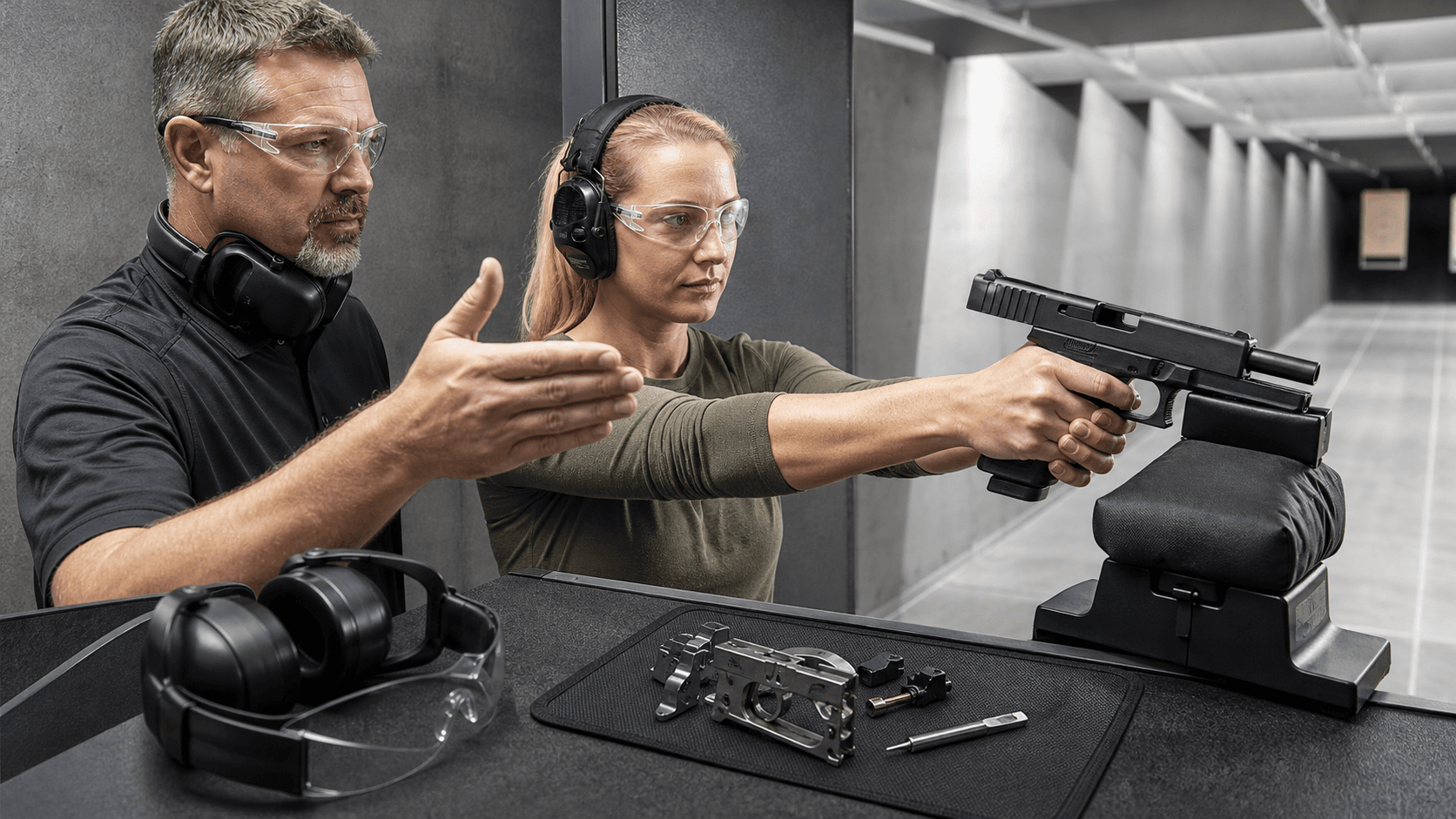
Honest self-assessment matters here. If you are newer to firearm ownership or have limited range time, professional instruction and supervised practice can help you build confidence before using unfamiliar trigger technology or more advanced configurations. There is no shortcut around safe handling skills.
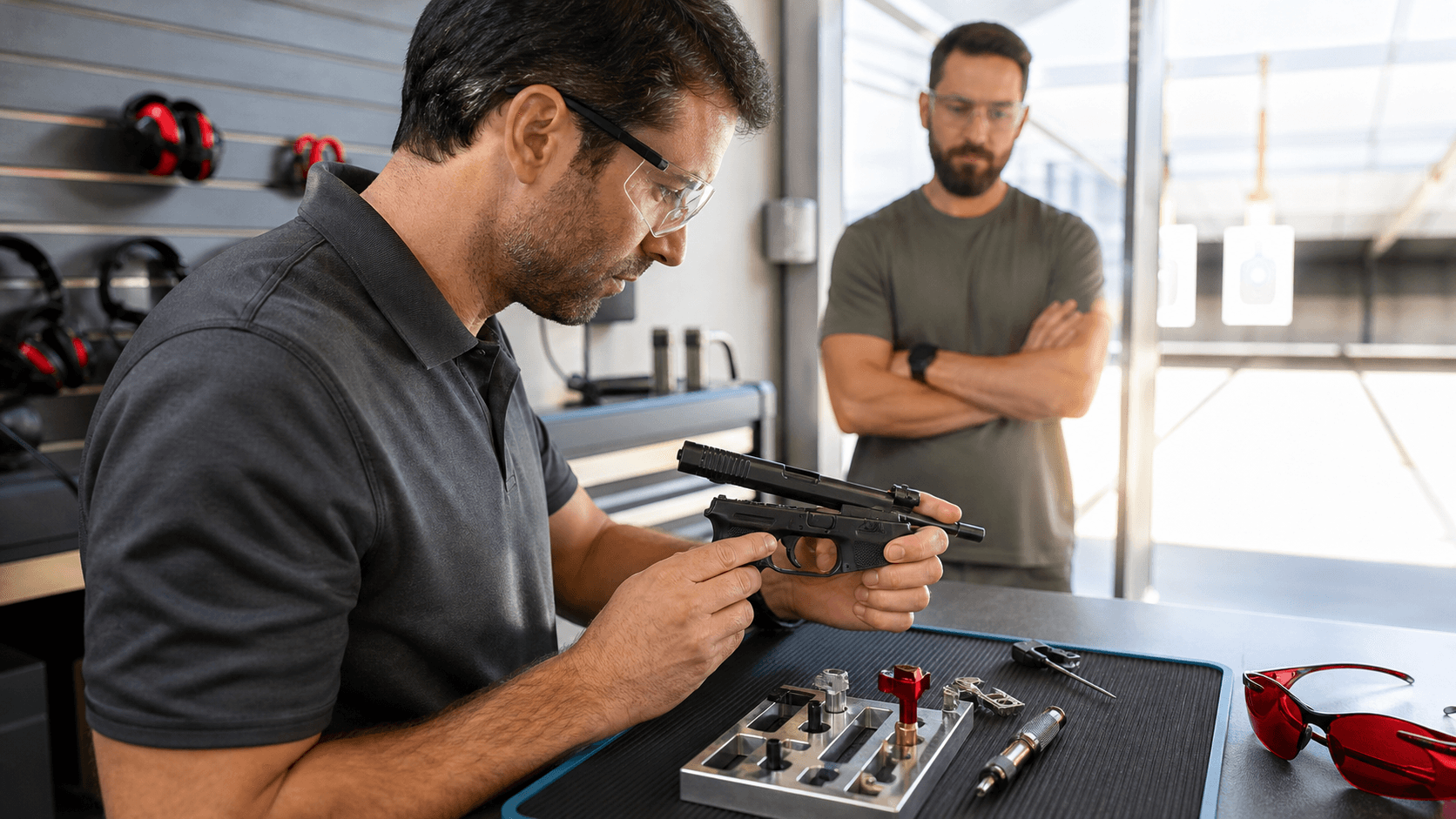
Proper fit also deserves careful attention. Components should be designed for the firearm platform involved, and compatibility details should be reviewed before purchase. Installation by a qualified professional can help address fitment and reliability concerns while supporting consistent performance at approved ranges.
Prioritize Safety, Fit, and Consistent Operation
No component upgrade matters more than basic firearm safety. Every range visit should begin with a clear mindset: keep the firearm pointed in a safe direction, keep your finger off the trigger until you are ready to fire, use proper eye and ear protection, and follow every command given by range staff.
Material quality and machining precision can affect long-term confidence in equipment. Components used during regular range practice may be exposed to repeated cycling, handling, cleaning, and changing weather conditions. Carefully manufactured parts can support the goal of consistent operation over time when they are used, maintained, and inspected according to manufacturer guidance.
Before making a decision, review product information, compatibility details, warranty terms, and available support resources. Questions about fitment, lawful use, maintenance expectations, or product selection are worth addressing early. We believe clear information and responsive customer support help range users make more informed choices.
Prepare for Fall Range Sessions
Fall range days can be comfortable and productive, but the season brings a few extra details to consider. Cooler temperatures, rain, wind, wet leaves, uneven footing, and earlier sunsets can affect comfort, visibility, and how prepared you feel before practice begins.
A quick gear check can prevent distractions once you arrive. Before heading out, we recommend reviewing:
- Eye and ear protection
- Cleaning supplies and manufacturer-recommended maintenance items
- Range bags, lighting, and weather-ready apparel layers
- Footwear suited to the day's conditions
- Seasonal range hours and any facility updates
Busy weekends and shorter daylight hours can make planning even more useful. Confirm range schedules, special events, and updated policies before you leave. Arriving prepared gives you more time to focus on responsible practice instead of scrambling for missing gear or adjusting to avoidable surprises.
Choose Equipment That Supports Responsible Range Use
Thoughtful equipment choices begin with education. Before selecting trigger components or accessories, consider your range goals, your firearm's compatibility requirements, your own experience level, and the legal obligations where you live and shoot. A product should fit your intended use while supporting careful, controlled operation.
Precision-machined trigger components can be part of a well-planned range setup, but they are never a substitute for training, safe habits, or awareness of changing laws and range rules. The best takeaway is simple: understand your equipment, respect its operation, and make every range session about control, preparation, and responsible ownership.
Build A More Informed Range Setup
At G-Force CNC Solutions, we offer firearm trigger technology designed for shooters who value informed equipment choices. Review the NEO Selectable FRD to determine whether its features align with your range setup and operating preferences. For product questions or additional guidance, contact us today.