Build Consistency Before Fall Range Days
Fall is a great time to tighten up your range routine. Cooler temperatures, quieter range days, and a renewed focus before year-end can make each session feel more purposeful. We see reliable equipment as one part of that routine, alongside safe handling, careful preparation, and disciplined practice.
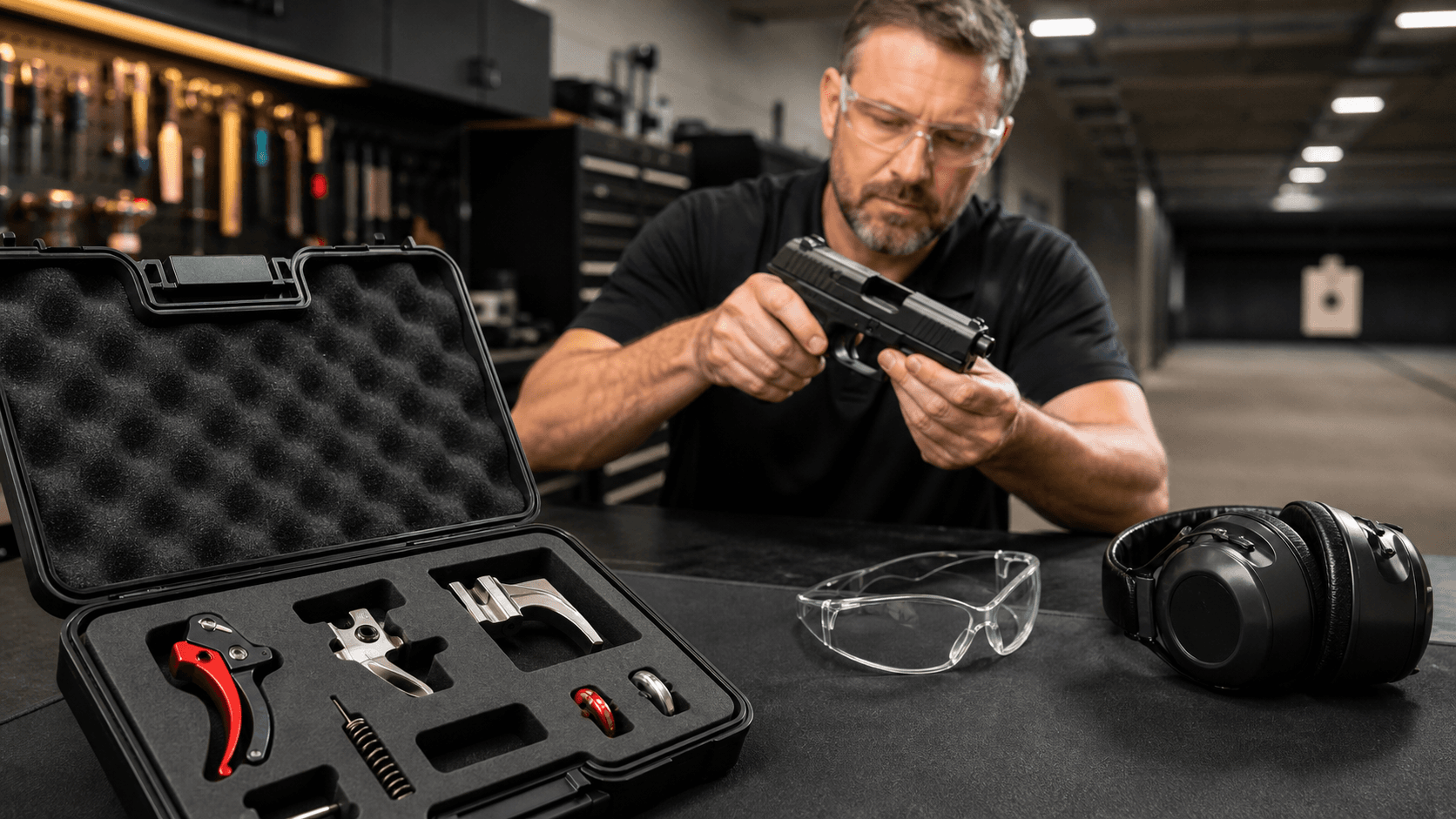
For some shooters, a factory trigger setup feels right from day one. Others start considering a range trigger upgrade because they want a more consistent feel for lawful recreational use. We'll compare stock setups and upgraded options through the lens of control, durability, maintenance, and responsible selection. Always follow firearm safety rules, local laws, range policies, and manufacturer instructions before changing any trigger-related component.
Understand the Limits of Stock Trigger Setups
Factory trigger systems remain a practical choice for many owners. They are generally built around broad compatibility, standard factory specifications, and dependable operation across different conditions. If you are comfortable with your current setup and it functions as intended, there may be no reason to change it.
Still, range practice can bring small frustrations into focus. A trigger may feel heavier than you prefer, have more travel than expected, or reset in a way that feels less predictable to you. Those concerns are not about chasing speed. They are often about creating a more comfortable, repeatable experience while practicing controlled accuracy and safe handling.
Fall conditions can make familiarity matter even more. Gloves may change how your hands feel on the firearm. Cooler air, moisture, dust, and shorter daylight hours can all make it easier to notice equipment that does not feel consistent from one session to the next.
Before considering a change, we encourage you to ask:
- Does the current trigger support controlled, repeatable practice?
- Does its feel remain comfortable when you wear seasonal range gear?
- Is the firearm properly maintained and functioning as intended?
- Are you satisfied with the setup for your lawful range-use goals?
A stock configuration is not automatically a lesser choice. It is simply the baseline from which you can decide what works best for your own practice plan.
Compare Feel and Control with a Range Trigger Upgrade
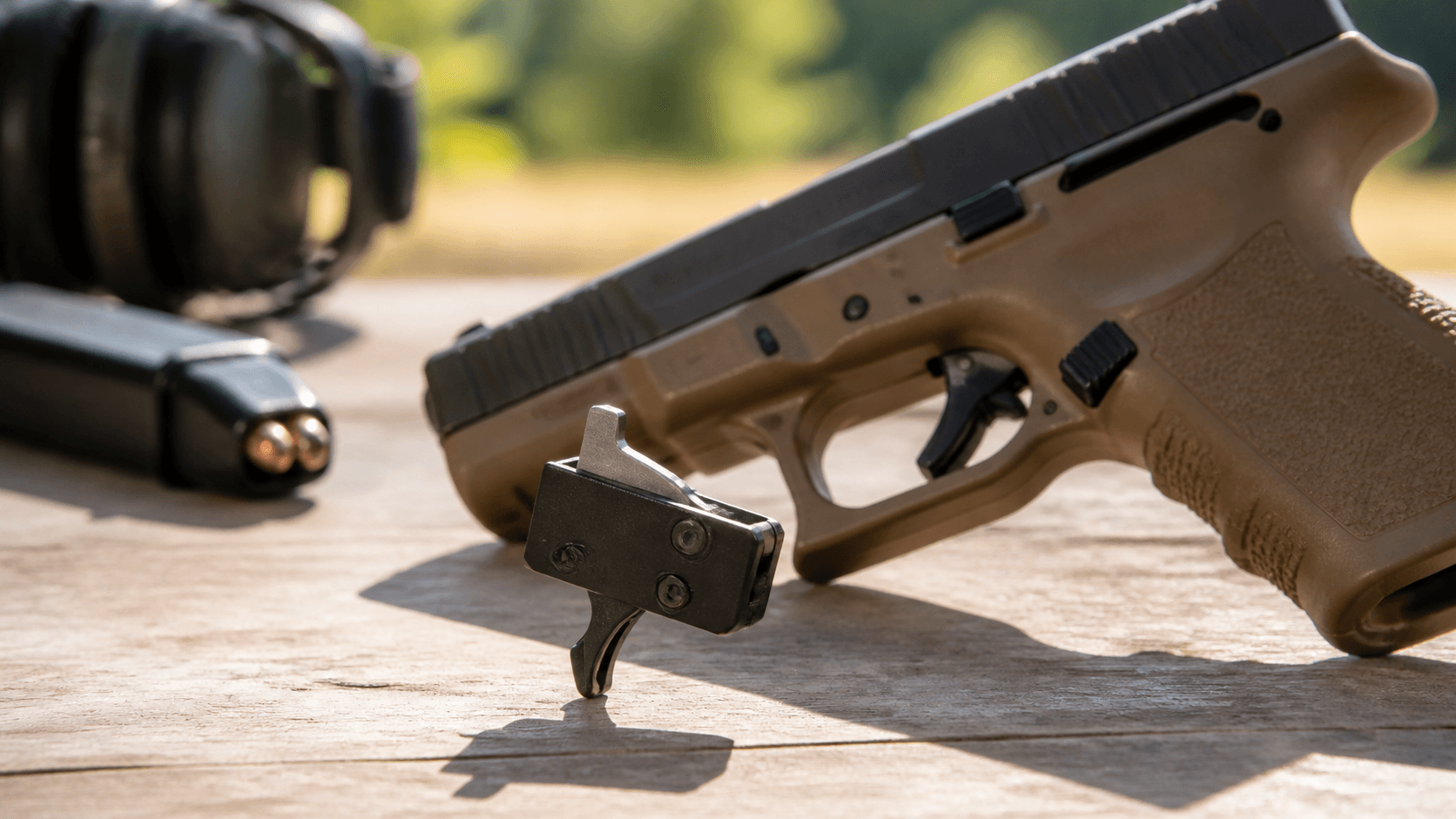
A thoughtfully selected range trigger upgrade may help performance-minded users pursue a more predictable feel during structured practice. When the trigger feel is consistent, you can spend more attention on grip, sight alignment, safe handling, and the other fundamentals that actually build better habits.
No component replaces training. We always view equipment changes as a way to support practice, not shortcut it. The best range setup is one that helps you stay focused, controlled, and familiar with your firearm.
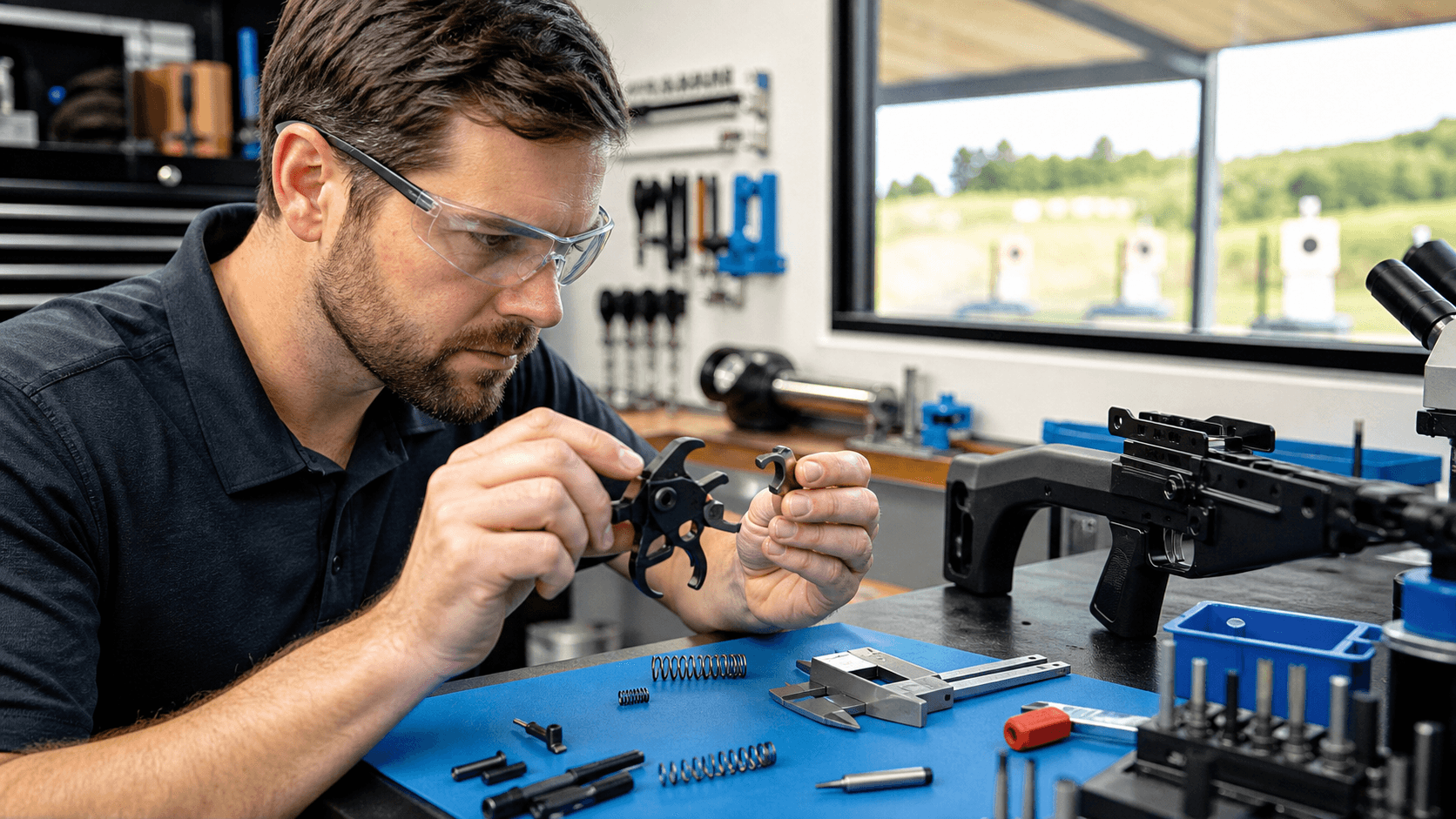
Precision manufacturing also matters. CNC-machined components are made with close attention to fit and repeatability. When a part is compatible with the platform and installed according to applicable instructions, careful manufacturing can support consistent operation and long-term durability.
At G-Force CNC Solutions, we design precision CNC-machined trigger components and range-use options for users who want engineered upgrades. Before selecting any component, we recommend comparing the details that matter most for your situation:
- Your intended use at a lawful, approved range
- Platform compatibility and manufacturer guidance
- Material quality, machining, fitment, and finish
- Warranty coverage and maintenance expectations
- Local laws, range rules, and any applicable restrictions
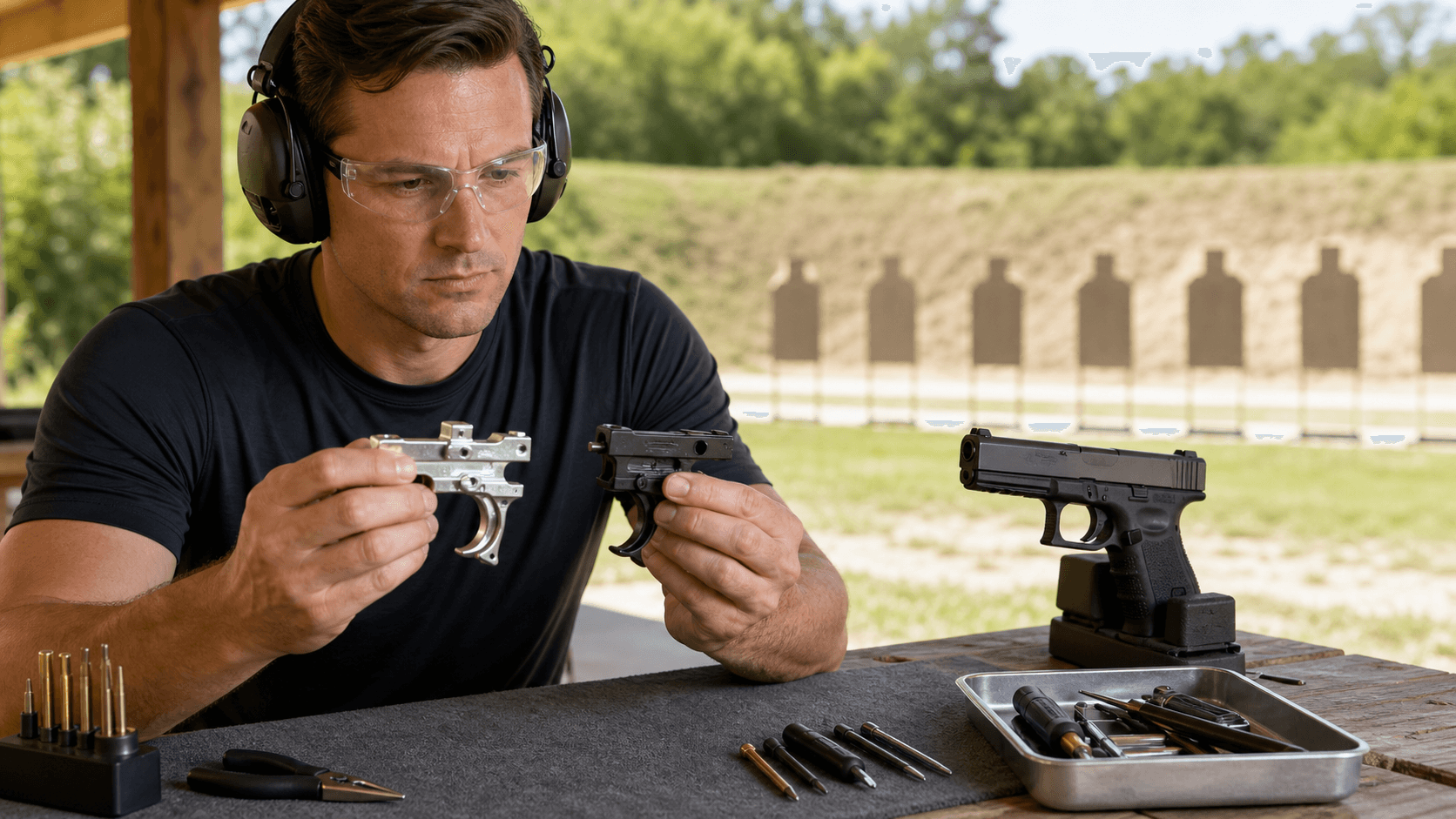
If you are uncertain about fitment or function, a qualified gunsmith can help confirm that a component is appropriate for your firearm.
Choose Durable Components for Cooler Weather Practice
Autumn is an ideal time to inspect the equipment you plan to use through the season. Temperature shifts, moisture, dust, and repeated range sessions can expose wear that went unnoticed during warmer months. A quick inspection before a range day can help you catch concerns before they affect your practice.
We suggest reviewing the overall condition of the firearm, approved components, fasteners, and lubrication practices based on the manufacturer's instructions. Pay attention to anything that feels loose, worn, inconsistent, or unfamiliar. If something does not seem right, stop and have it evaluated by a qualified professional rather than trying an unauthorized modification.
Durability should matter more than appearance when choosing a range trigger upgrade. A component may look impressive, but the more meaningful questions involve its materials, machining quality, stated compatibility, and intended purpose. Proper fitment is especially important with any trigger-related part.
Responsible ownership also includes safe testing after a lawful installation. Use an approved range, follow all range rules, and take time to confirm proper function in a controlled setting. Avoid assumptions, and do not force parts to fit. A careful approach protects your equipment and supports safer practice.
Match Your Upgrade to Your Practice Goals
The right choice depends on what you want from your fall range sessions. Maybe you want to build stronger familiarity with your equipment. Maybe your focus is controlled accuracy, steadier handling habits, or replacing a worn range-use part with a quality component. Clear goals help prevent impulse purchases and keep your attention on what actually supports your practice.
Selectable range-use kits and Recoil Assisted Trigger systems may appeal to experienced, performance-focused users when used lawfully and as intended. Product details matter, and so do your skill level, firearm platform, and local regulations. We encourage you to review those details closely instead of assuming that one setup is right for every user.
A simple decision framework can keep the process grounded:
- Keep the stock setup if it meets your current needs reliably.
- Consider an upgrade only when it addresses a specific practice concern.
- Confirm compatibility before any installation takes place.
- Prioritize safe function, lawful use, and ongoing training over novelty.
The goal is not to make your setup more complicated. It is to build a range routine that feels dependable from one fall session to the next.
Prepare Your Range Setup for a Strong Fall Season
Stock trigger setups can provide a dependable baseline, while a carefully chosen range trigger upgrade may offer a more refined, consistent experience for eligible range users. Neither option replaces sound judgment, regular maintenance, or responsible training.
Before the season gets busy, make a simple checklist for your next range day: identify your practice goals, inspect your equipment, confirm component compatibility, pack safety gear, and review local laws and range rules. With that preparation in place, you can spend more time practicing with purpose and less time wondering whether your setup is ready.
Build A More Consistent Fall Practice Setup
At G-Force CNC Solutions, we help shooters evaluate options that fit their training goals and equipment. See how a range trigger upgrade can support a more deliberate setup for your next practice session. If you have questions about compatibility or product details, contact us for straightforward guidance.