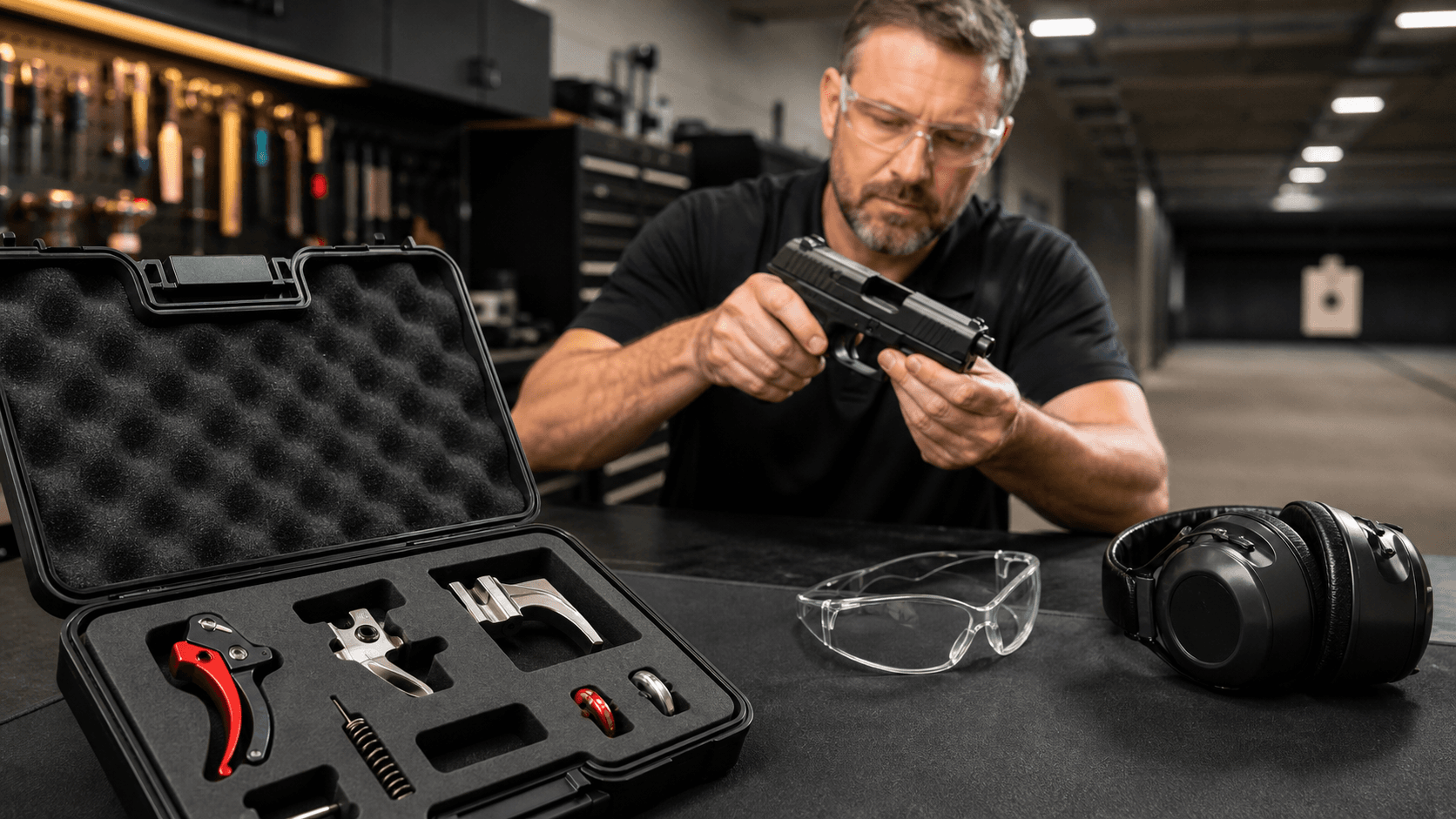
Cool weather is a useful test for trigger system reliability. Late-September range days can bring wind, damp air, cold hands, and heavier clothing, all of which may change how a familiar setup feels. Conditions that go unnoticed during hot summer drills can become easier to spot when the weather shifts.
At G-Force CNC Solutions, we encourage shooters to focus on consistency instead of chasing one "perfect" trigger feel. A dependable setup should feel predictable through take-up, break, reset, and follow-through across several drills and range visits. Autumn gives you a practical chance to observe those details before winter conditions arrive.
Cool Weather Can Expose Small Changes
A trigger system may feel smooth and familiar on a dry summer afternoon, then feel different when your hands are cold or your grip is affected by gloves. That does not always mean something is wrong. It does mean the change is worth noticing.
Wind, rain, damp benches, and heavier layers can all influence your comfort and control. Instead of judging your equipment from one magazine or one drill, we recommend paying attention over the full range session. A consistent trigger should give you a familiar response when you press, release, and reset it during normal use.
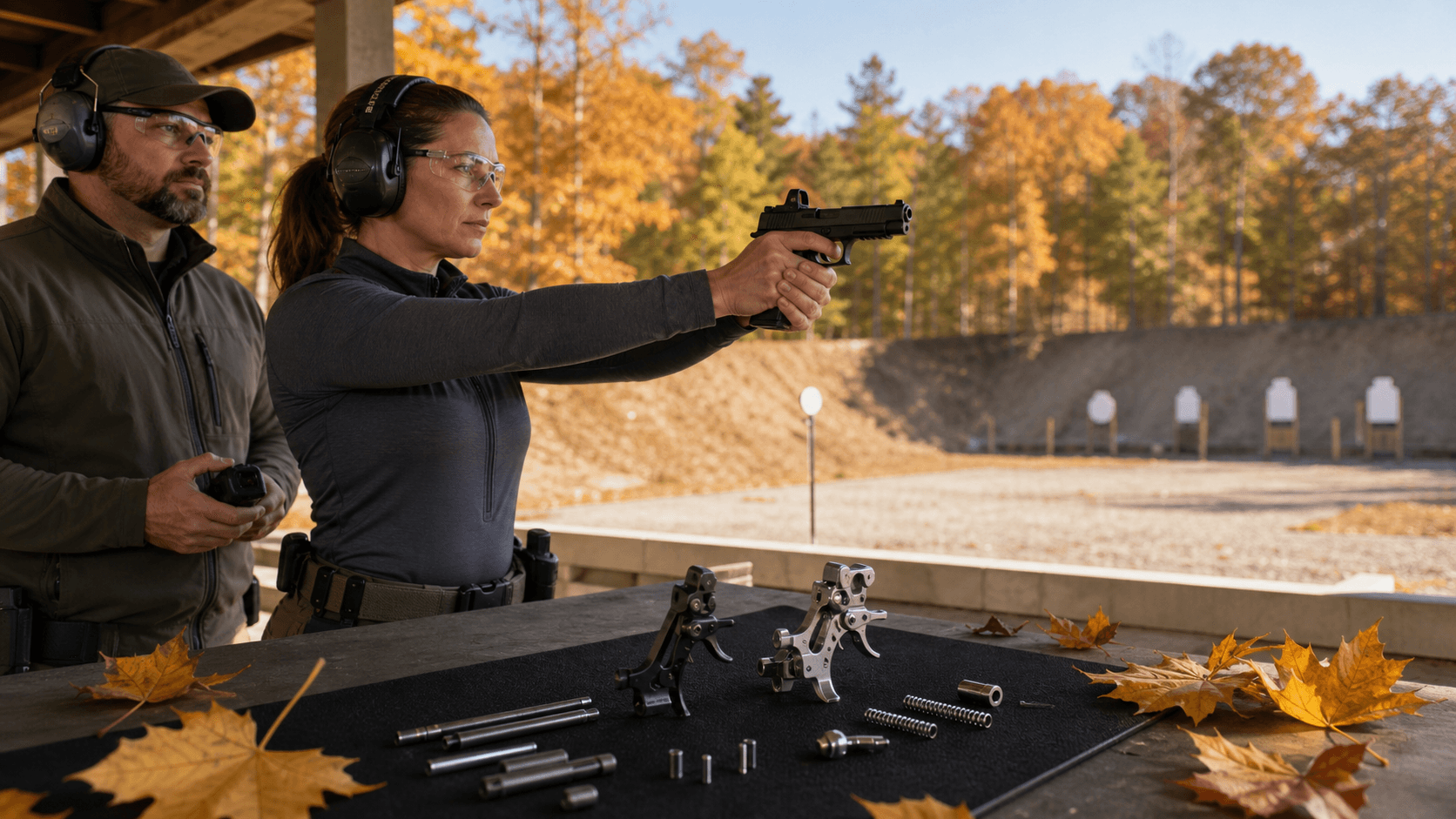
Safety stays at the center of every observation. Follow all range rules, wear approved eye and ear protection, and keep the firearm pointed in a safe direction. If something feels unusual, stop and inspect the situation according to the manufacturer's guidance. When a concern remains, a qualified gunsmith is the right person to evaluate it.
Autumn range sessions are not the place for improvised changes or guesswork. They are a chance to gather clear information, recognize patterns, and make sound maintenance decisions.
Record Reset and Break Through Every Drill
Memory can be unreliable after a busy range day. A few quick notes can tell you far more than trying to remember how a trigger felt several weeks later. We suggest writing down observations after structured, range-appropriate drills such as accuracy work, controlled pairs, and transitions.
Pay attention to the entire trigger cycle, not just the break. Take-up should feel familiar, the break should be predictable, and reset should be easy to recognize during normal operation. A single odd feeling may come from hand position, ammunition, weather, or fatigue. Repeated changes deserve closer attention.
Helpful notes may include:
- Ammunition type used during the session
- Weather conditions, including rain, wind, or cold temperatures
- Approximate round count since the last cleaning
- Lubrication condition before the range visit
- Any changes noticed during specific drills
Over time, these notes can help you separate a one-day issue from a recurring pattern. They are also useful when reviewing manufacturer recommendations or speaking with a qualified gunsmith. Clear information gives a professional a better starting point than a general report that something "felt off."
Moisture and Debris Need Attention
Autumn weather can leave more than wet shoes behind. Rain, mud, fallen leaves, damp benches, and airborne debris can collect on external firearm surfaces and accessories. We recommend avoiding unnecessary exposure whenever possible, then safely inspecting, cleaning, drying, and storing your equipment after a wet or dirty range day.
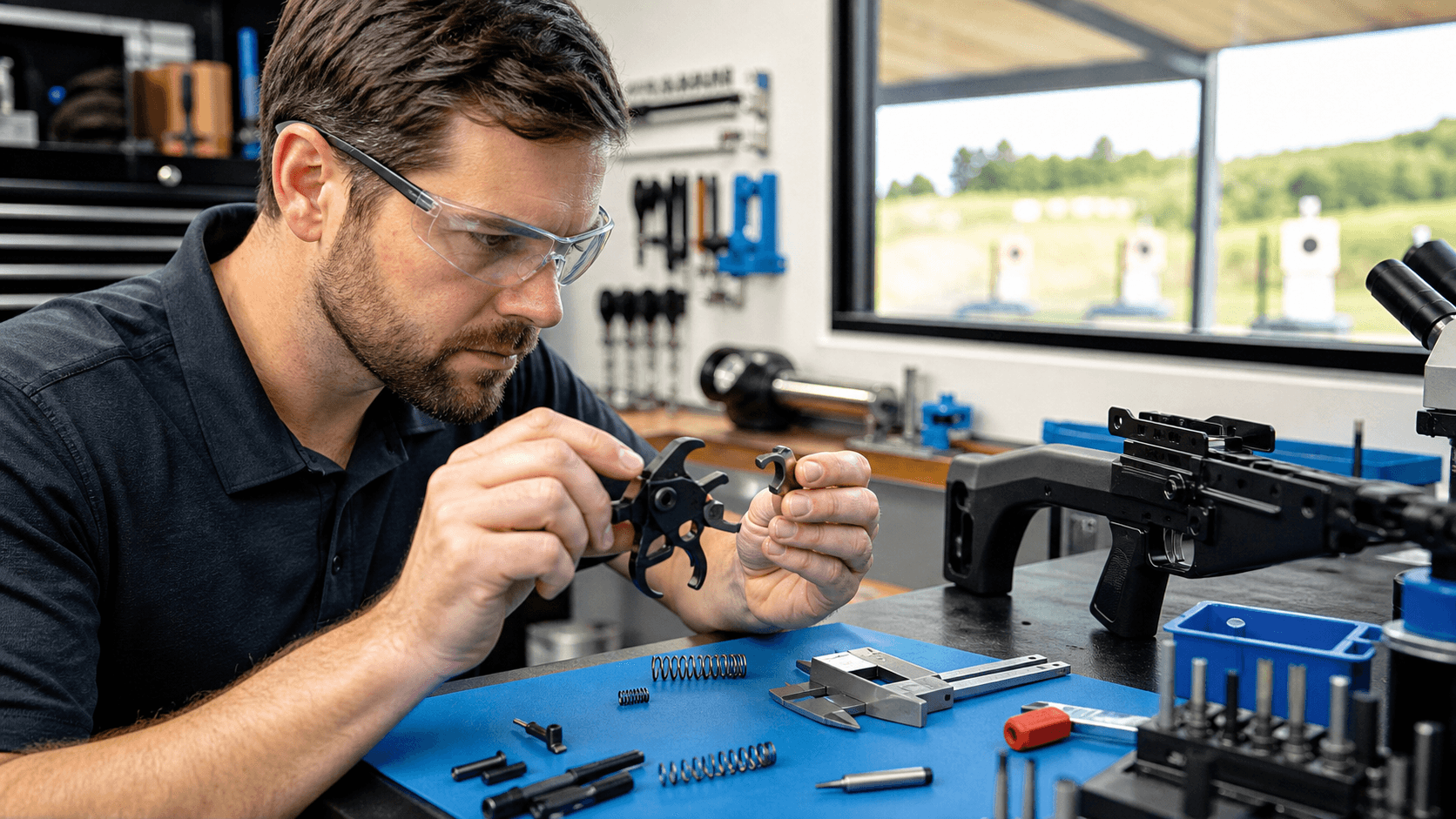
Trigger system reliability depends on more than the trigger shoe. Internal parts, proper assembly, compatible components, lubrication condition, and routine maintenance all play a part in normal operation. Using the cleaning products and maintenance steps recommended by the firearm manufacturer helps avoid creating new problems while trying to solve an old one.
Some changes should never be brushed aside. Stop using the firearm and seek qualified inspection if you notice:
- An unusual or inconsistent reset
- Trigger movement that differs from normal operation
- Unexpected resistance or roughness
- A change in control that repeats across drills
- Any behavior that raises a safety concern
A firearm does not need to be visibly dirty to deserve attention. Moisture can remain in places that are easy to miss, and debris can affect the way moving parts feel. Prompt care after the range makes the next session easier to evaluate.
Seasonal Gear Can Change Trigger Access
Jackets, rain gear, gloves, and layered clothing can change your grip and the space around the trigger guard. A glove that feels comfortable while standing still may not feel the same when you are working through normal range drills. Cold fingers can also affect pressure, placement, and how clearly you feel reset.
We recommend using autumn range time to confirm that your seasonal gear supports safe handling. Clothing should not interfere with your normal grip, and gloves should allow you to maintain deliberate control. If gear changes how the firearm feels in your hands, slow down and observe the difference rather than trying to force the same pace you use on a warm day.
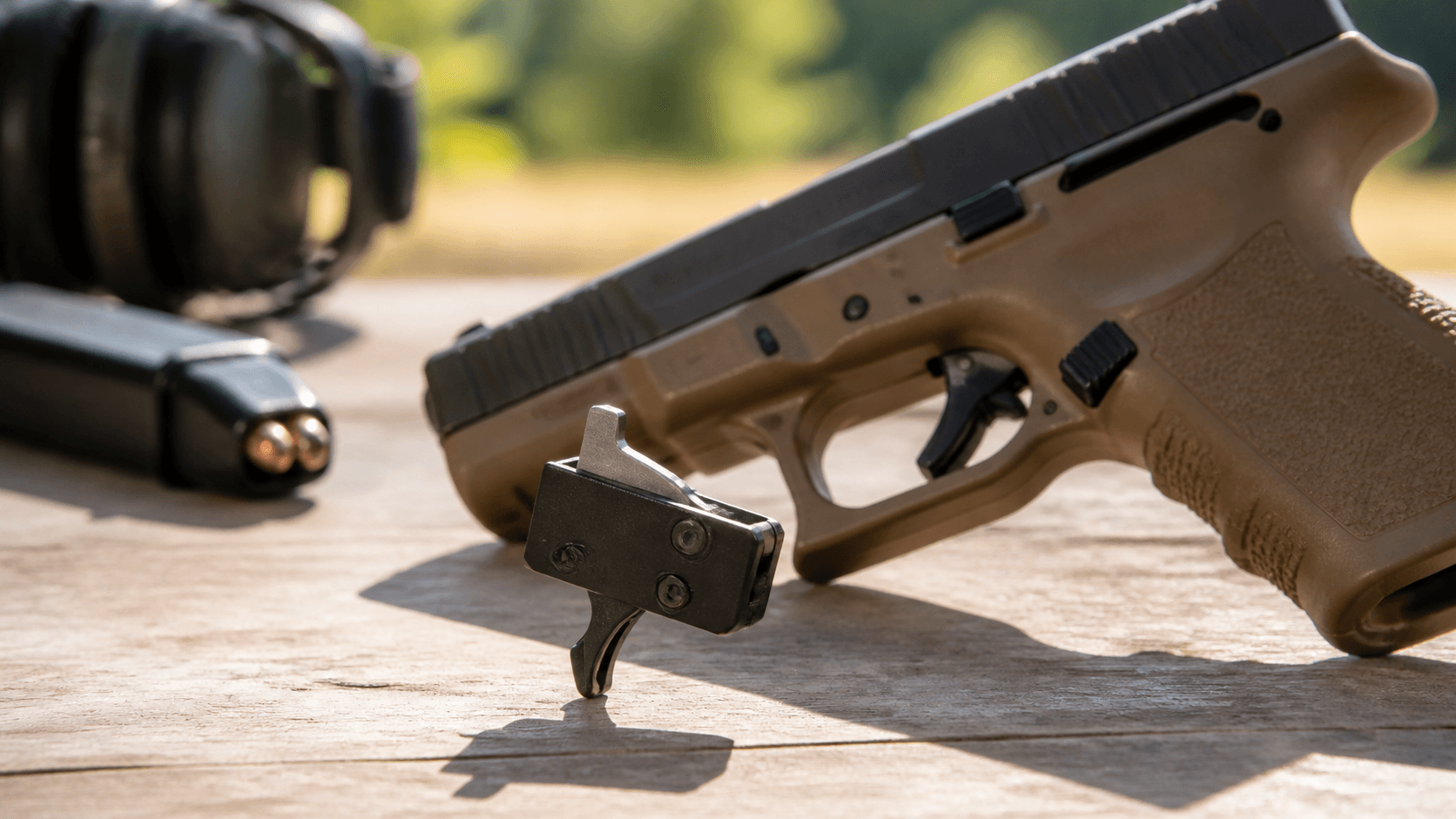
Performance-focused components should complement safe habits, not replace them. Precision CNC-machined trigger components and recoil-assisted trigger systems still require familiarity with your firearm's normal function, regular inspection, and thoughtful practice. No part removes the need to pay attention to maintenance or safe handling.
A setup can feel completely consistent in dry weather but require more care when gloves, moisture, or cold hands enter the picture. Range-safe drills give you room to evaluate comfort and control before you depend on that seasonal equipment during a longer training day or match.
Turn Autumn Notes Into Winter Preparation
A simple post-range routine can help keep small concerns from carrying into the next session. After unloading and following safe handling procedures, review the firearm according to manufacturer guidance. Make note of anything that felt different, especially if weather or gear may have played a role.
Our recommended post-range checklist includes:
- Cleaning and drying after wet or dirty conditions
- Reviewing lubrication according to manufacturer guidance
- Inspecting applicable fasteners and accessories
- Recording weather, ammunition, and drill observations
- Storing equipment securely and in suitable conditions
Compare notes from early fall through the start of winter. Look for patterns connected to weather, ammunition, accessories, round count, or clothing. One isolated experience may not mean much, but a repeat change is worth treating seriously.
Put Autumn Findings to Work Before Winter
Reliable performance comes from safe handling, consistent practice, compatible quality components, proper upkeep, and timely professional support when needed. Autumn range days give you useful information because they add real-world variables without requiring you to guess how cold-weather conditions may affect your setup.
Bring your notes forward into the next season. A well-documented range day can help you identify maintenance needs early, train with greater awareness, and head into winter with more confidence in your equipment and preparation.
Get Clear Answers About Your Trigger Setup
At G-Force CNC Solutions, we help shooters address concerns that can affect consistent performance and safe operation. Use our trigger system reliability troubleshooting resources to identify common issues and next steps. For personalized assistance with your equipment, contact us with the details of what you are experiencing.