Lock in Your Shot: Why Trigger Control Comes First
Trigger control is the heart of every good shot. You can run great sights, a fancy slide, or a new optic, but if the trigger feels sloppy or unpredictable, your groups will still drift and your speed will stall. When the trigger is right, everything else on the gun works better.
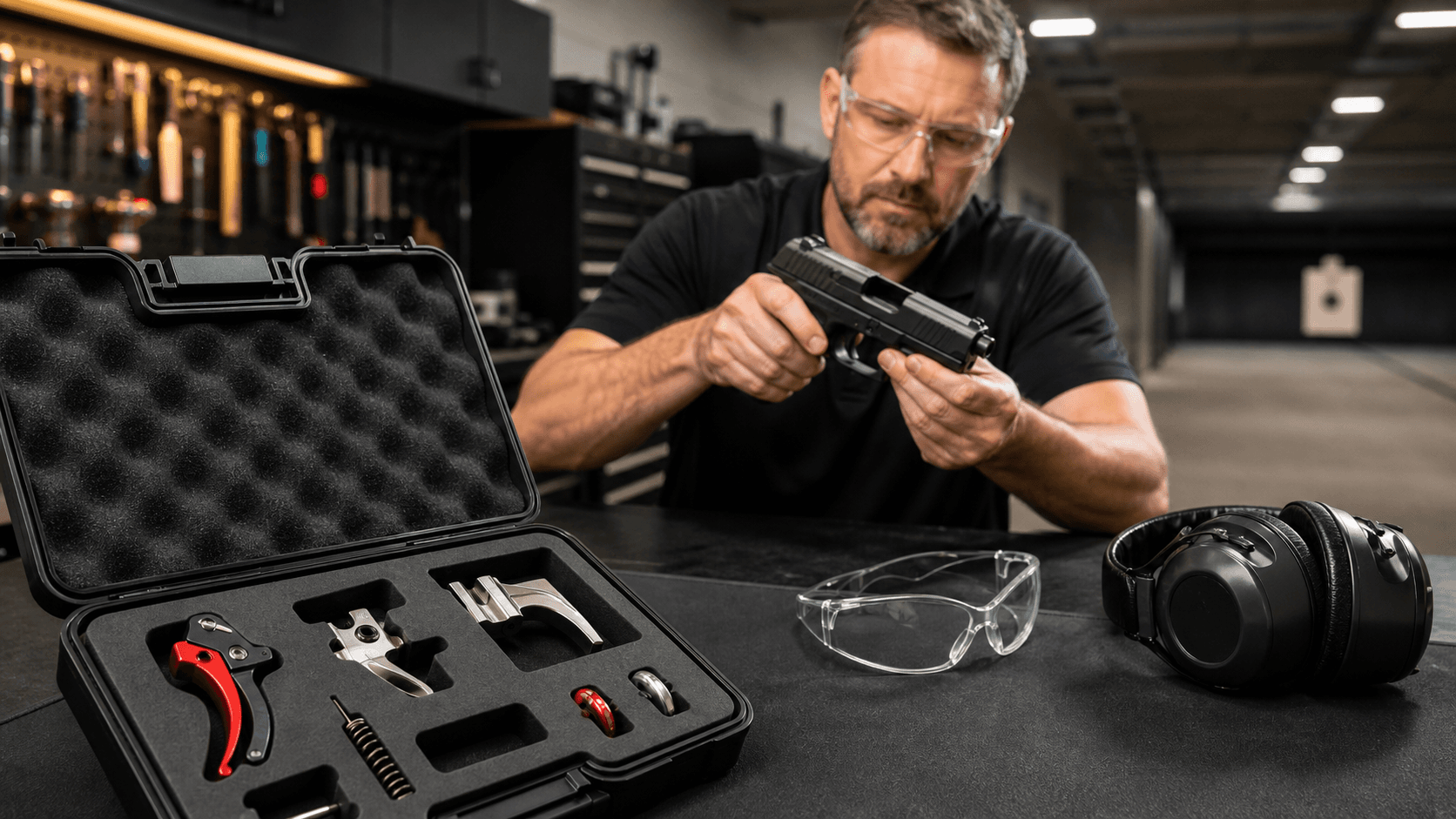
Summer is a perfect time to work on this. Longer days, warmer weather, and more range time give you space to tune your gun and your skills before matches, training classes, or hunting season. That is where a CNC-machined trigger system comes in. It gives you a precise, repeatable trigger feel that helps you build real control instead of fighting your gear.
At G-Force CNC Solutions, we focus on high-precision, American-made recoil assisted trigger systems and components for popular handgun platforms. Our goal is simple: consistent performance that gives you confidence every time you press the trigger.
What Makes a CNC-Machined Trigger System Different
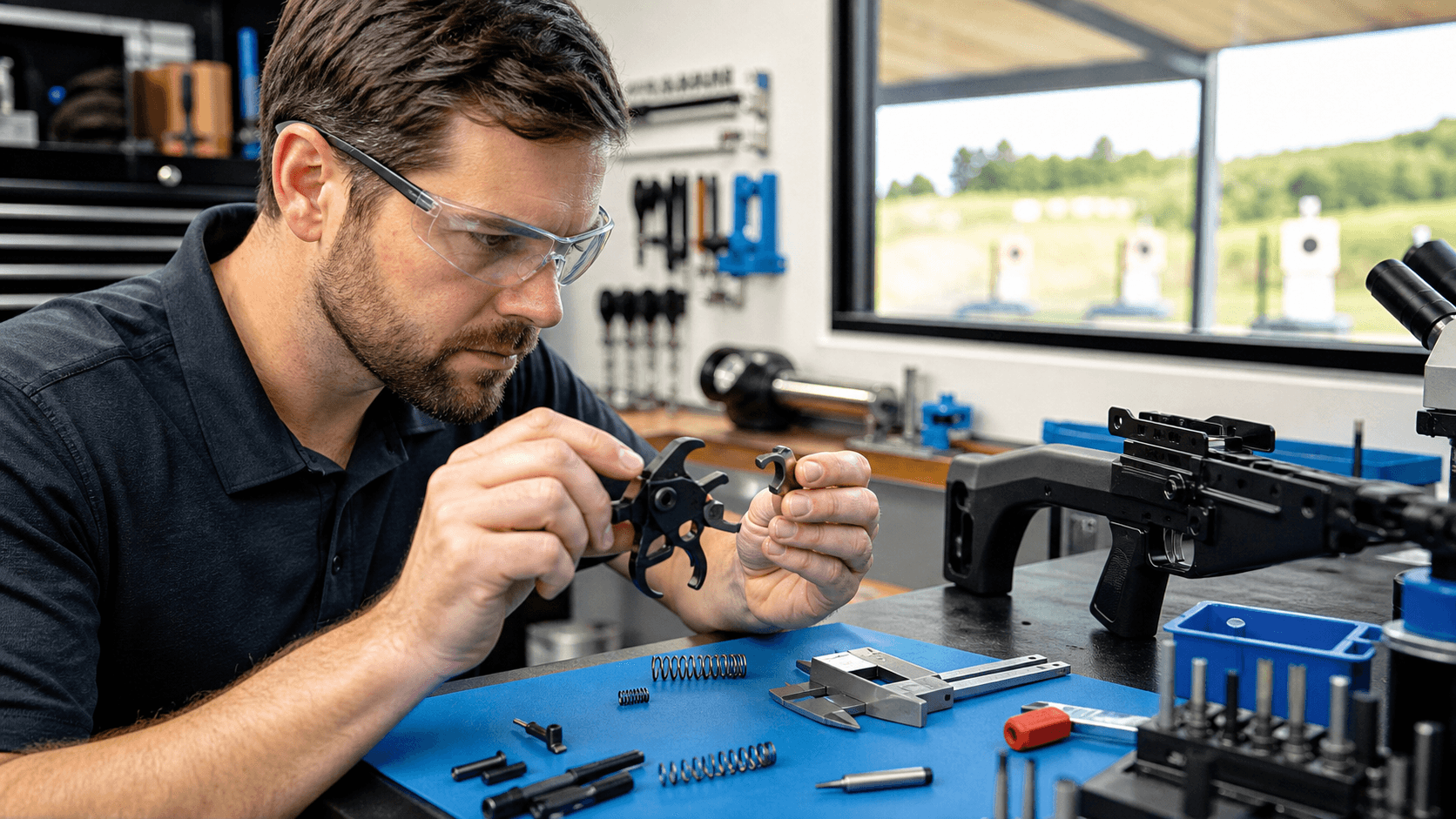
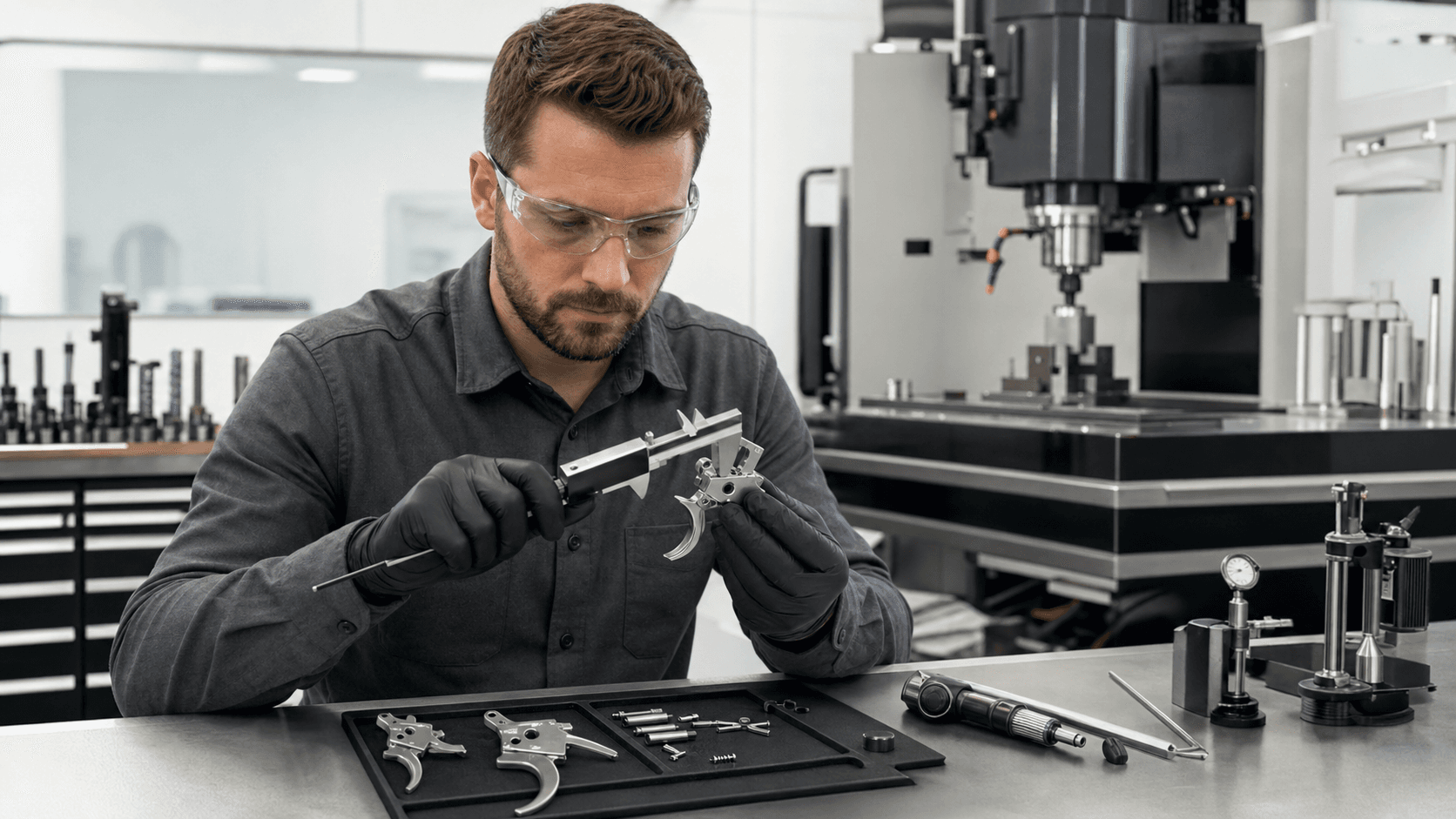
A CNC-machined trigger system is built from solid metal on a computer-controlled cutting machine. The computer tells the cutter exactly where to move so each surface is shaped the same way, every single time. This is different from cast, MIM, or basic polymer parts that are poured or pressed into a mold.
That difference affects how your trigger feels. CNC machining lets us cut tighter fits and sharper, cleaner geometry. The contact points between parts line up the way they are supposed to, which means less grit and less guesswork in the pull.
Quality CNC trigger systems often use:
- High-grade steels for hard-working internal parts
- Aircraft-grade aluminum for trigger shoes and frames
- Carefully finished engagement surfaces where parts meet
- Coatings or finishes that help resist wear and corrosion
These choices help your trigger system hold its feel over time. When you start with strong material and precise cuts, you get a trigger that stays consistent through high round counts, long classes, and hot summer range days.
Key Performance Traits to Look for in a Trigger Upgrade
When you start comparing trigger options, the terms can get confusing. Here is a simple breakdown of the main traits and why they matter for control:
- Pull weight: How much pressure your finger needs to fire the gun
- Take-up (pre-travel): The light movement before you hit the "wall"
- Wall: The point where the trigger firms up before the shot
- Break: The moment the shot actually fires
- Overtravel: How far the trigger moves after the shot breaks
- Reset: How far the trigger has to move forward to be ready to fire again
A well-engineered CNC-machined trigger system focuses on keeping these stages clear and predictable. You want a smooth take-up, a strong, noticeable wall, and a crisp, clean break. Overtravel should be short so the sights do not dip or shift after the shot. Reset should be both tactile and audible so you feel and hear when the gun is ready for the next round.
Different uses call for slightly different setups:
- Range and competition: Many shooters prefer a lighter pull, short reset, and very crisp break for speed and tight groups
- Defensive carry: Most people want a slightly heavier, more deliberate pull with a strong wall and clear reset for control under stress
- Duty or hard use: Safety, reliability, and a consistent feel take priority over being extremely light
The key is balance. A good CNC system can sharpen your trigger feel and shorten travel without cutting corners on safety or reliability.
Matching Your CNC-Machined Trigger System to Your Platform
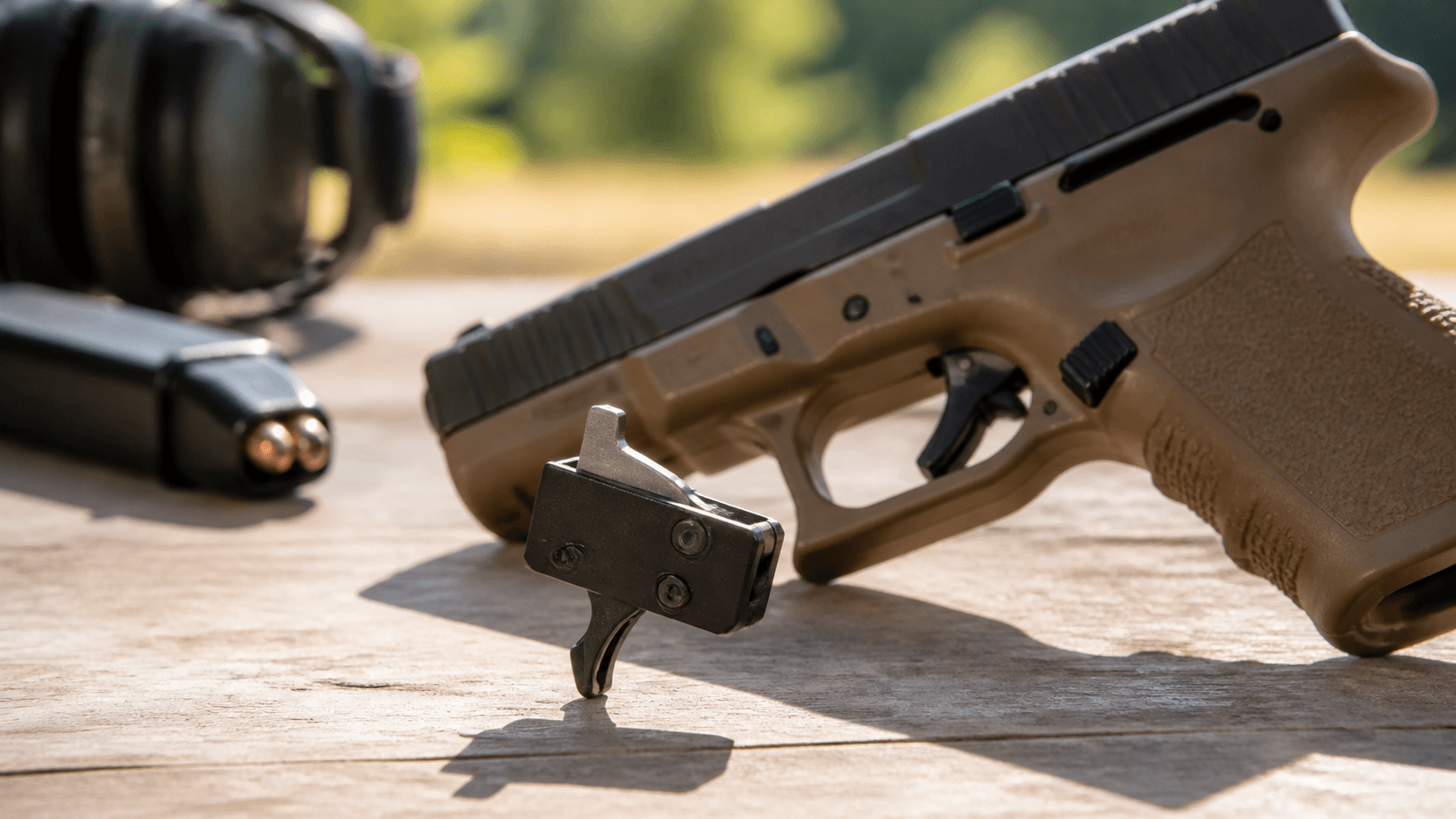
Your handgun platform sets the ground rules for what kind of trigger you can run. Glock, Canik, and Taurus all share some basic ideas but have different internal layouts, trigger bars, and safety systems. Those differences matter for fit, feel, and long-term performance.
Platform-specific CNC triggers are built to match the geometry inside each gun. That means:
- Pin locations line up correctly
- Trigger bars move the way the design intends
- Safety blades interact properly with the rest of the system
- You get repeatable engagement from gun to gun
At G-Force CNC Solutions, we design recoil assisted trigger systems and components with drop-in compatibility as the goal, so you get consistent performance without guessing on fit.
When choosing a configuration, consider:
- Trigger shoe style: Flat, curved, or hybrid, depending on how your finger likes to sit
- Safety blade style: Shape and feel that work well for your grip and press
- Pull characteristics: Lighter or more duty-focused, depending on your primary use
Some shooters are comfortable installing parts on their own, but if there is any doubt, a qualified gunsmith is the safer path. Correct installation and inspection help keep your factory safety features working as intended.
Safety, Reliability, and Compliance You Can Trust
A trigger upgrade should never mean giving up safety. The goal is more control, not more risk. That is why maintaining proper sear engagement and keeping all built-in safety systems working is so important.
Precision machining helps here. When parts are cut to consistent dimensions, they interact the same way, shot after shot. On a recoil assisted or performance-focused trigger, that consistency supports:
- Reliable function under stress and fast strings of fire
- Stable performance across long training days
- Controlled behavior even when the gun gets hot and dirty
Responsible use is just as important as good hardware. After any trigger work, it is smart to:
- Perform safe function checks before live fire
- Test the gun at the range with a variety of drills
- Watch for any odd behavior, like light strikes or failures to reset
- Keep the gun cleaned and inspected on a regular schedule
Also be sure to stay aware of local laws and any rules for competitions or duty use. Trigger upgrades should support your goals while staying within the standards that apply to you.
Summer Range Ready: Choose Your Next Trigger with Confidence
Warm weather is a great time to be honest about your current trigger. Are you jerking shots low when you speed up? Fighting a mushy wall that feels different every press? Waiting too long for a lazy reset between rounds? Those are all signs that a better trigger system could help.
A simple way to choose your next CNC-machined trigger system is to work through a short checklist:
- Define your primary use: competition, carry, duty, or general range time
- Confirm your platform: Glock, Canik, Taurus, or another supported handgun
- Decide on desired feel: lighter or more firm, short or more deliberate travel
- Prioritize CNC-machined parts: for tighter tolerances and consistent geometry
- Plan for setup and testing: professional installation when needed and live-fire proofing
At G-Force CNC Solutions, we design and manufacture American-made CNC-machined recoil assisted trigger systems and firearm components focused on performance, reliability, and consistency. When you are ready to tune your Glock, Canik, or Taurus for maximum control this summer, we are here to help you understand your options and build a trigger feel that gives you confidence shot after shot.
Upgrade Your Precision With a Custom-Engineered Trigger System
If you are ready to feel the difference that tight tolerances and repeatable performance can make, explore our CNC-machined trigger system options today. At G-Force CNC Solutions, we build each component to match the standards we would demand in our own setups. Tell us what you are aiming for and we will help you choose or refine a configuration that fits your platform and shooting style. Have specific requirements or questions about fit and compatibility, just contact us and we will walk you through the details.