Keep Your Trigger Running When Your Round Count Spikes
High-round-count days are where small trigger problems like to show up. Long summer classes, back-to-back match weekends, and hot range days push your pistol and your trigger harder than quick indoor sessions ever will. When the gun is hot, dirty, and still getting fired, tiny issues can grow fast.
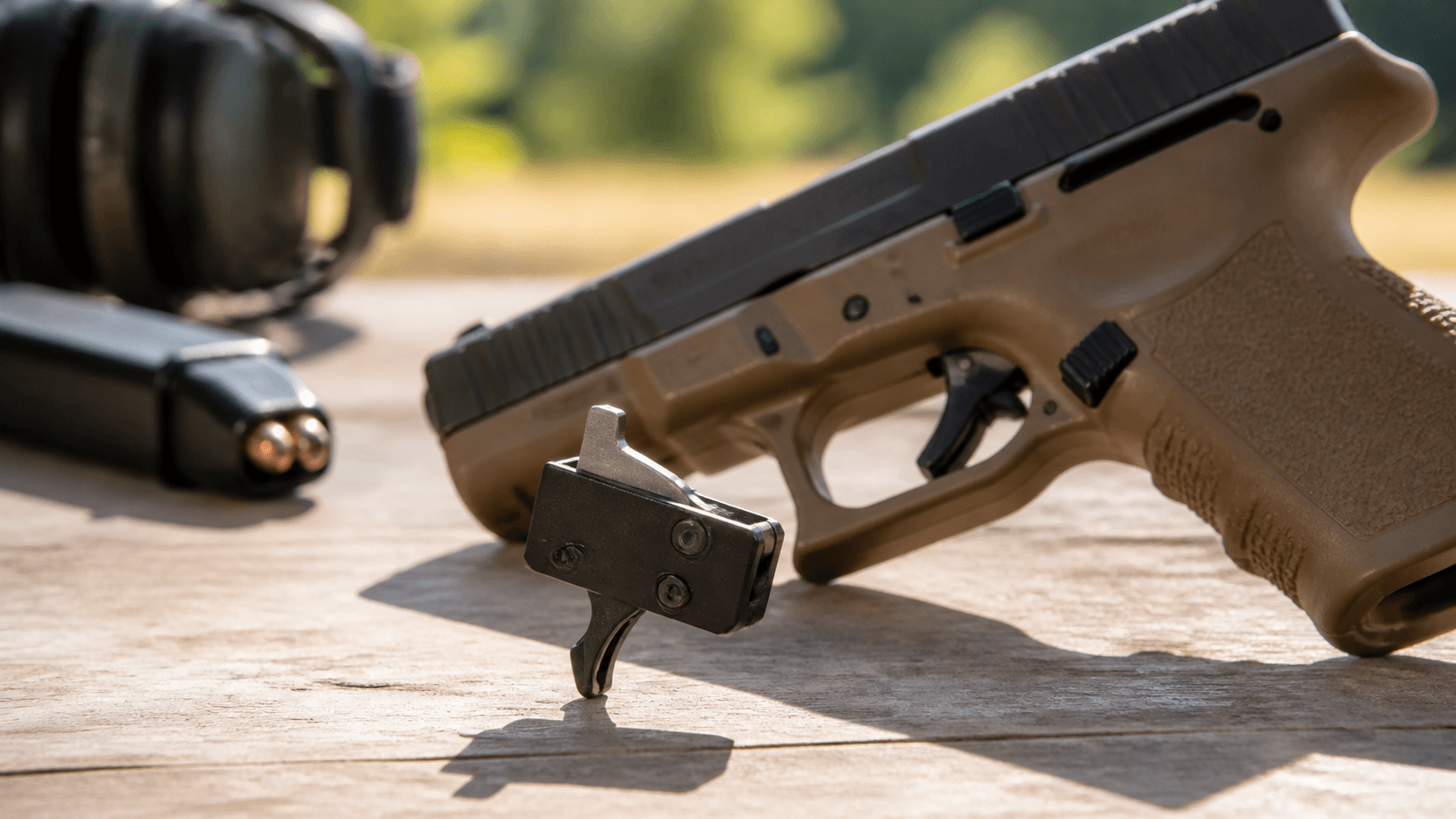
A premium CNC-machined trigger system is built for this kind of use, but it still needs care. Tight tolerances and clean, precise surfaces give you that crisp break and repeatable reset you paid for. The flip side is that those same tight parts are less forgiving when they get dry, dirty, or worn.
We will walk through how wear surfaces work, where to lube, and how to set real-world service intervals so your trigger feels the same on shot 10 as it does on shot 10,000. At G-Force CNC Solutions, we focus on high-precision trigger components and Recoil Assisted Triggers for popular pistols, and this is the kind of practical maintenance we think about every day.
How Wear Surfaces Define Trigger Feel and Safety
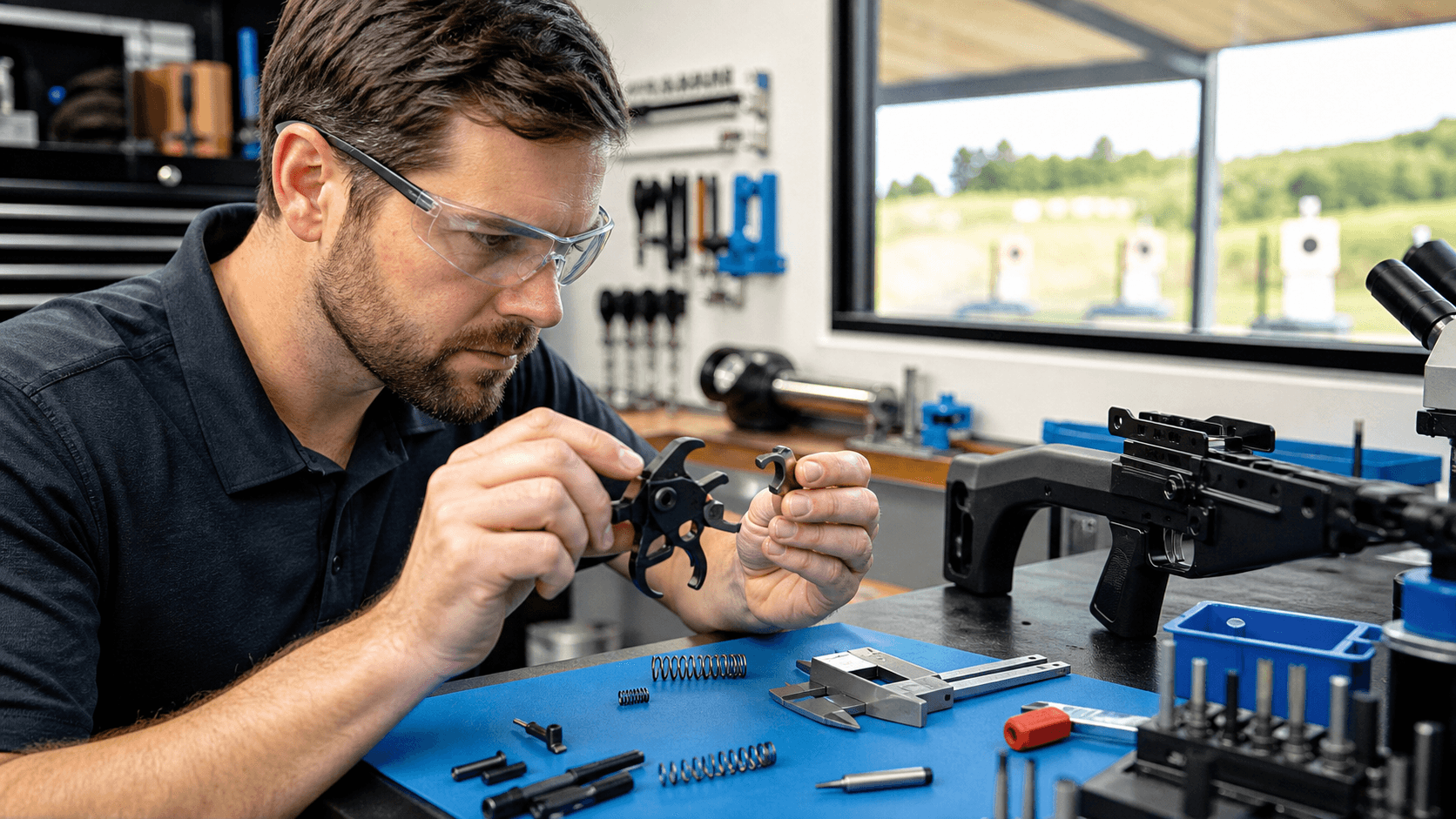
Every trigger has places where metal moves against metal. These are wear surfaces, and they do most of the work in your trigger pull. On a CNC-machined trigger system, these surfaces are intentionally shaped and finished so that the break and reset feel clean and predictable.
Key wear areas to understand include:
- Sear faces that hold and release the striker or hammer
- Disconnector contact points that control reset
- Trigger bar engagement surfaces
- Firing pin or striker engagement ledges
- Any contact surfaces in a recoil-assisted unit
At first, tiny amounts of wear and polishing can feel like the trigger is "breaking in." The pull might smooth out a bit. That is normal. The problem starts when wear keeps going and begins to change the geometry or sharpness of those edges.
Things to watch for as your round count climbs:
- Peening or mushrooming at edges
- Flat spots or galling where parts slide
- Uneven bright spots where only part of a surface is touching
- Edges that used to feel crisp now look rounded
You may notice this in dry fire before you see it. The wall might feel softer. Creep might show up where there was none. Reset might lose that clear click and feel lazy or "mushy." High-quality machining and proper heat treatment slow this down, but they do not stop it, especially on hot summer days where higher temperature adds more stress to each contact point.
Smart Lubrication Strategies for High-Volume Shooting
Lubrication is your main tool to control wear and keep the trigger feeling consistent. The goal is simple: light, consistent friction, not a sticky mess and not a dry grinding feel.
On most modern pistols, important lube points include:
- Trigger pivot pins or axles
- Sear-to-striker or sear-to-hammer surfaces
- Trigger bar contact spots where it rides in the frame or against safeties
- Any moving contact surfaces in a recoil-assisted assembly
Different lubes behave differently in summer heat and dust. Light oil moves easily and is simple to apply in small amounts, but it can burn off faster when the gun gets hot. Grease tends to stay where you put it, but it can collect more carbon and grit. Dry film products can help in very dusty conditions, but they often need more careful prep.
For most high-volume shooters, simple rules go a long way:
- Use a thin film, not drops running down the frame
- Wipe off old, dirty lube before adding more
- Relube every 500 to 1,000 rounds when you are training hard
- On multi-day classes, do a quick wipe and relube at the end of each long day
Over-lubing can be just as bad as running dry. Too much oil collects powder, unburned flakes, and dust, which can slow down small parts or keep safeties from moving cleanly. The sweet spot is a light, even layer that lets parts glide, not swim.
Building a Service Interval Plan Around Your Round Count
Instead of guessing, build your maintenance plan around how you actually shoot. Round count is a simple way to do that.
Think about three rough groups:
- Casual shooters, under about 2,000 rounds a year
- Regular range users, around 2,000 to 5,000 rounds
- High-volume shooters and competitors, above 5,000 rounds
For casual use, a basic field strip and clean after each range trip, plus a closer look at the trigger parts a few times a year, usually works. For regular shooters, add a deeper inspection every couple thousand rounds:
- Remove the trigger system as your platform allows
- Inspect wear surfaces under good light
- Check screws or pins for movement
- Make sure springs still feel strong and return parts with energy
- Do full function checks, including safeties and reset
High-volume shooters should plan on more frequent deep checks. If you are pushing lots of rounds through the same gun in a short time, things can change quickly. Any of these signs means you should inspect early:
- Sudden change in trigger weight or feel
- Light primer strikes that did not happen before
- Occasional missed or weak reset
- Visible fresh wear marks or chipped edges
A simple log in your range notebook or on your phone can help. Track date, estimated round count, what you cleaned, and what you saw. Patterns will jump out, and you can service the system before a small issue turns into a failure during a match or a defensive class.
Maximizing the Life of Recoil Assisted Triggers
Recoil Assisted Triggers add more motion inside the gun. There are extra moving parts and timing that depends on spring strength and clean movement. This makes them very fast and consistent when cared for, but they ask for just a bit more attention from the shooter.
Key places to watch on a recoil-assisted setup:
- Springs that control the assisted movement, looking for set, kinks, or corrosion
- Channels or tracks where assisted parts ride, making sure they are clean and smooth
- Pins and contact faces unique to the recoil-assist system
- Any point where the assist parts meet the main trigger bar or sear surfaces
Maintenance habits that help these systems live a long, reliable life include:
- Slightly more frequent inspection of springs when your round count is high
- Focused cleaning where moving parts slide, so old lube and debris do not slow them
- Light, precise lubrication in the assist mechanism so parts move freely without gumming up
- Regular function testing with the same ammo you carry or compete with
At G-Force CNC Solutions, we design recoil-assisted units and other high-precision trigger components to handle serious use when maintained with simple, steady habits. For shooters who like to run drills hard through the warmest months, the combination of smart care and good design keeps performance repeatable even when the schedule gets busy.
Locking in Long-Term Reliability Before Your Next Season
A well-maintained CNC-machined trigger system should feel boring in the best way. The break is the same, the wall is the same, and the reset is the same, whether it is your first drill of the day or your last stage on a hot, dusty afternoon. That kind of consistency does not happen by luck; it comes from paying attention to wear, lubrication, and service intervals.
Before your next high-volume cycle, build a simple plan for your pistols: give the trigger a careful inspection, set your own lube routine based on how and where you shoot, and choose round-count checkpoints for deeper service. Those small steps protect both performance and safety, and they help you trust that when you press the trigger, it will do its job the same way every single time.
Get Started With Your Project Today
If you are ready to upgrade your build with precision and reliability, explore our CNC machined trigger system options tailored to serious shooters. At G-Force CNC Solutions, we design and manufacture components to exacting standards so your firearm performs consistently when it matters. Tell us about your application and performance goals so we can help you choose the right setup. If you have questions or need a custom solution, contact us and we will respond promptly.