Unlock Faster Stages Without Losing Control
Forced reset triggers are a hot topic on the range, especially once the weather heats up and match season gets busy. When weekends are packed with USPSA, IDPA, 3-gun, and outlaw matches, everyone is trying to gain a legal edge before big championships and series finales. A lot of shooters are asking a simple question: What is an FRT trigger, and can it really help me shoot faster without losing control?
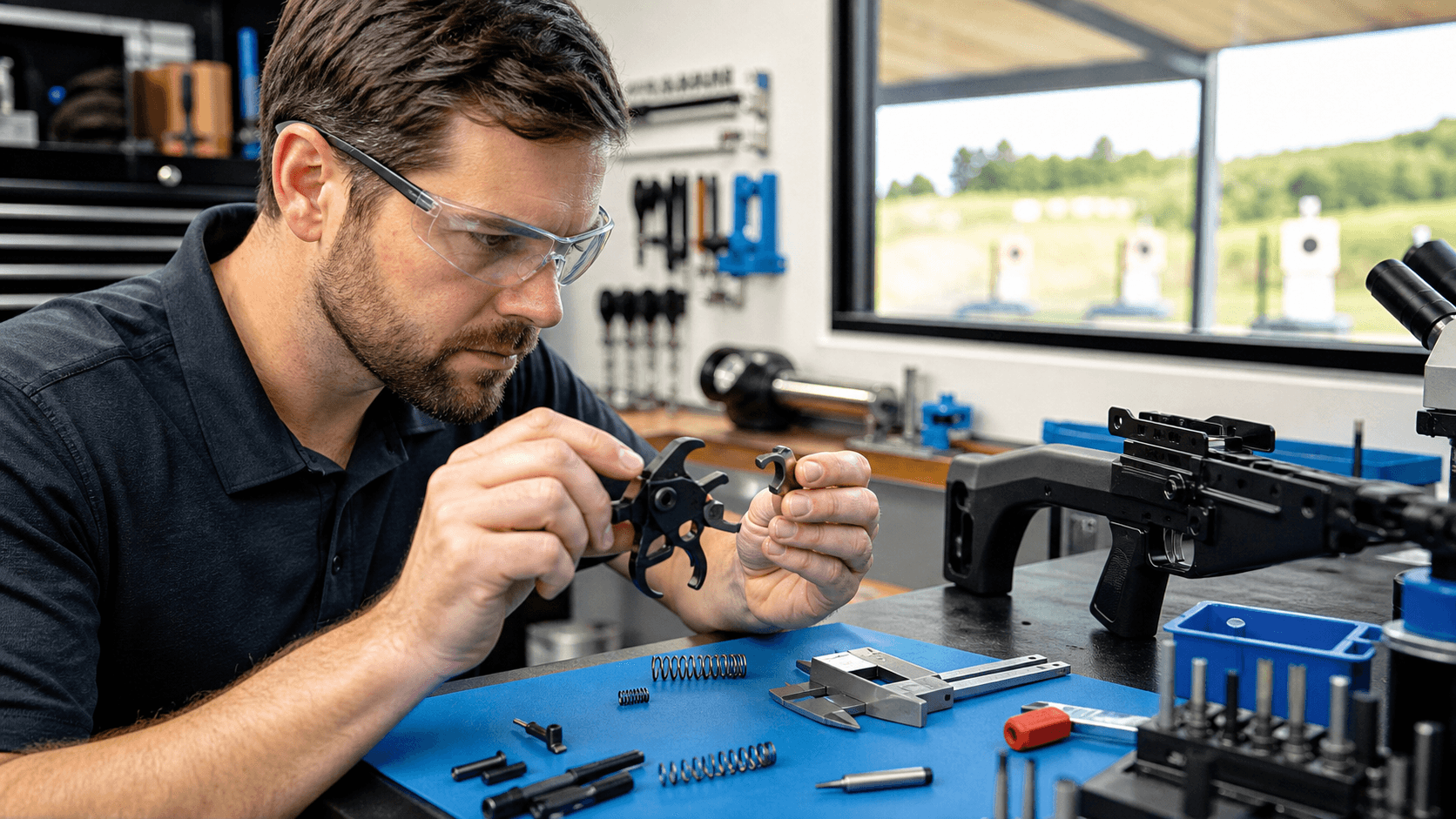
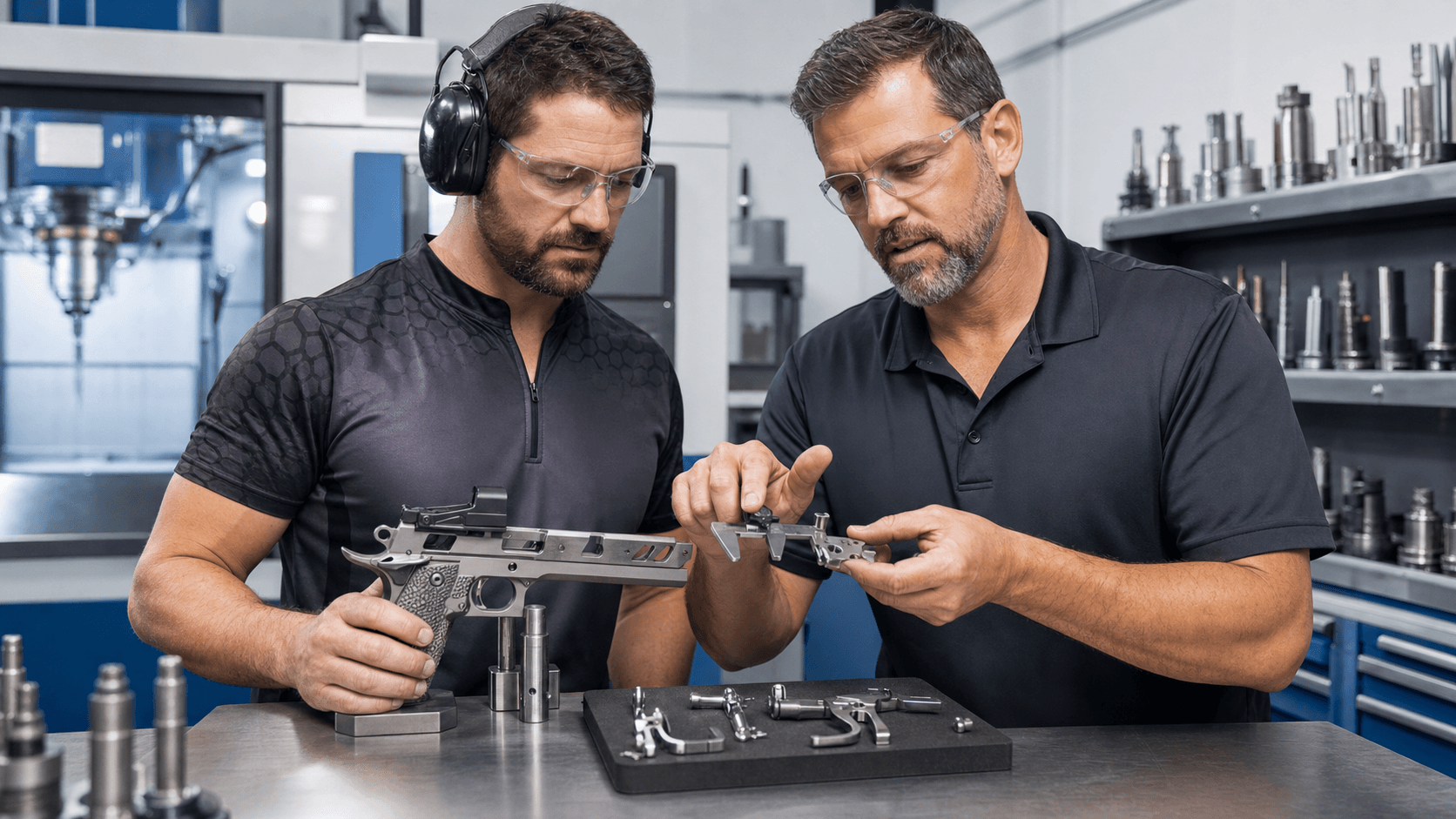
In this post, we will walk through how forced reset triggers work, what they actually do for you on the timer, how they fit into common rule sets, and how to tell if one makes sense for your pistol platform and match goals. Our focus is on performance and safety, not hype. At G-Force CNC Solutions, we design and machine high-precision forced reset triggers and other firearm components, including our recoil assisted trigger system for Canik pistols, so we spend a lot of time looking at how these parts behave in the real world.
Understanding What an FRT Trigger Really Does
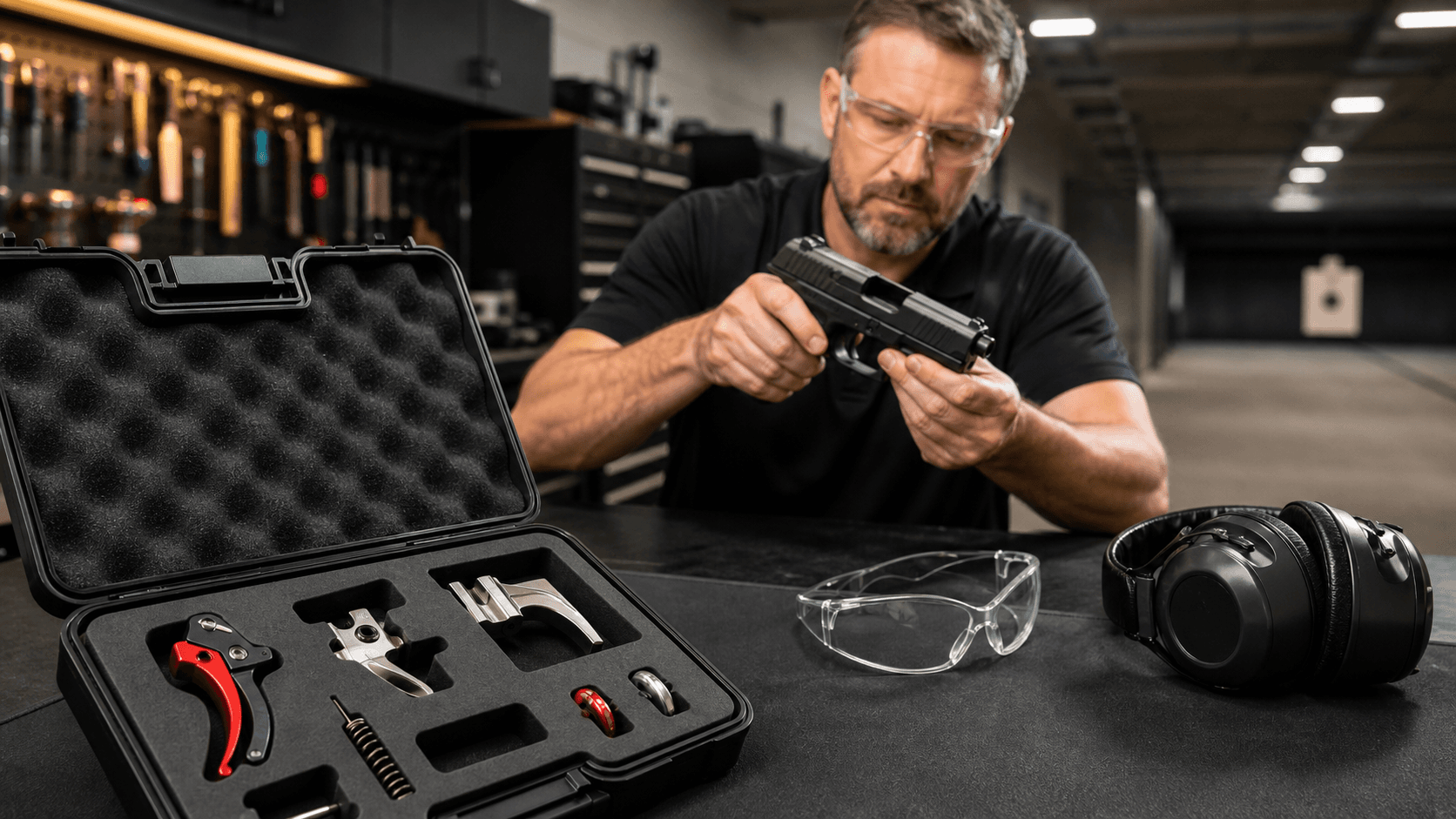
First, we need to clear up the big question: what is an FRT trigger? A forced reset trigger is a mechanical system that uses the gun's recoil and internal geometry to drive the trigger forward to the reset point after each shot. The trigger is pushed back to reset more aggressively and more quickly than a standard design, but it still needs a clear, separate pull from the shooter for every round fired.
Compared to a normal striker-fired or tuned competition trigger, an FRT trigger usually feels different in a few ways:
- Shorter, more positive reset
- Stronger push forward to the reset point
- Quicker overall cycle when you are running fast strings
On a regular trigger, you press, the shot breaks, the slide cycles, and the trigger just kind of drifts or springs forward until it resets. On a forced reset system, the geometry is built to kick the trigger forward to that reset spot as the slide moves, so the reset is very noticeable in your finger.
A common myth is that forced reset triggers are the same as full-auto parts or binary triggers. They are not. A properly designed FRT trigger is still semi-automatic. The trigger must reset, and you must pull it again for each shot. Understanding that difference is key before you can judge how it will actually help you on a stage.
Performance Gains You Can Expect on the Clock
So what can you really gain on the timer with a forced reset? It mostly comes down to speed and control working together. A strong, clear reset can help you keep a steady rhythm in drills like Bill Drills, steel arrays, and transitions between targets. When the trigger snaps forward to reset, your finger does not have to "hunt" for the reset point, which can shave small bits of time off your splits.
Some benefits you might feel include:
- Faster, more repeatable splits when you are already shooting clean
- Easier trigger tracking during fast transitions
- Less mental effort spent on finding the reset
An effective FRT trigger also works with your sight tracking. As the gun recoils, the trigger is forced forward. As the sights settle back into the A zone, your finger is already prepped at the reset, ready to press again. This can help you time your shots with the recoil cycle, instead of fighting against it.
That said, a forced reset will not fix bad grip, poor stance, or weak target focus. If you are slapping the trigger or losing your sights between every shot, an FRT will just let you make the same mistakes faster. It tends to reward shooters who already have good fundamentals and want to push their speed a little further.
To really see what it is doing, we always suggest using a shot timer. Run your normal match drills with your current trigger, record your splits and points, then repeat after installing an FRT trigger. The timer tells the truth. Feel is nice, but hard numbers are better for training plans, especially during the busy summer match stretch.
Is a Forced Reset Trigger Legal for Your Matches?
Now we hit the topic that can make or break the whole idea: rules. Different shooting organizations can treat forced reset triggers in different ways. Some clubs welcome them, others may be cautious, and some may not allow them at all. Rules and written opinions can also change over time, so what was fine last season might not be the same this season.
A few key checks to think about:
- Does your rulebook allow trigger modifications in your division?
- Does an FRT move your pistol into a different division with heavier competition?
- Are match directors and range officers at your club comfortable with these triggers?
Even if a forced reset trigger is allowed, it may shift your pistol out of a more "stock" division and into something more open. That can change who you are competing against and what kind of guns you see on the line.
You also want to be sure the trigger still passes all safety checks. That means clear, separate trigger pulls for each shot, working safeties, and no issues during function and drop tests. It is smart to check current guidance from organizers, manufacturers, and any official notices tied to your area before you start your busy match run, since opinions on these systems can move around.
Matching an FRT to Your Specific Pistol Platform
Not all forced reset systems feel the same in every pistol. Glock, Canik, Taurus, and other popular match pistols each have different striker setups, slide weight, internal geometry, and spring choices. A design that feels perfect in one gun might feel odd or unreliable in another if it is not built for that platform.
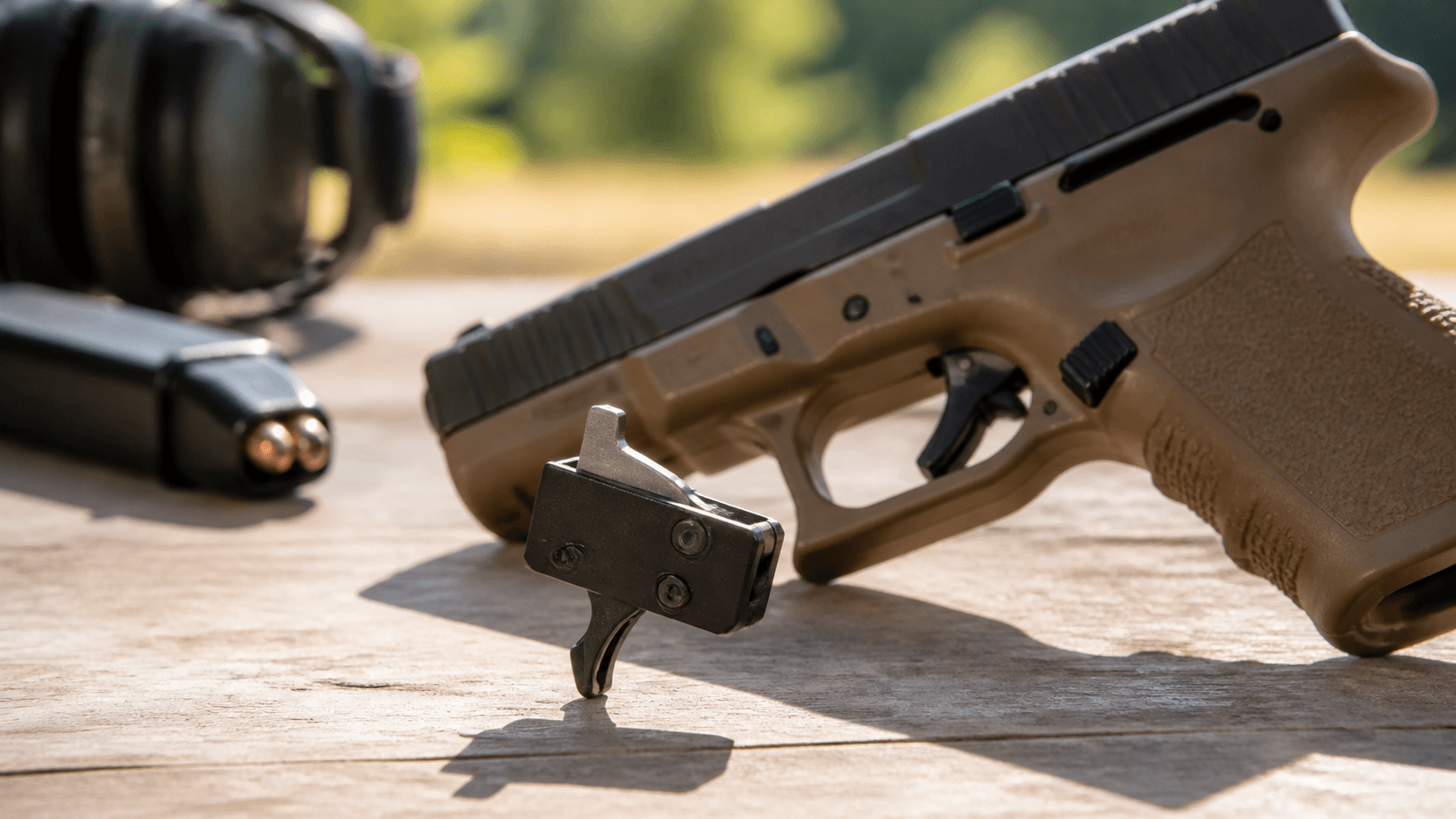
That is why platform-specific systems can matter. Our Canik RAT, or Recoil Assisted Trigger, is one example of a design aimed at a single family of pistols. It is engineered so that the recoil cycle helps give a fast, consistent reset while keeping focus on reliability for hard range use.
When you are choosing any forced reset system, think about:
- How it handles ignition with your normal match ammo
- How it behaves during long, hot match days
- How the trigger feel lines up with your personal grip and finger position
It also helps to view the pistol as a full system. The trigger is only one part. Recoil springs, ammo power factor, slide mass, optic weight, and even grip texture all play into how the gun moves in recoil and how the trigger feels at speed. A well-tuned FRT trigger tends to work best in a gun that is tuned around a clear purpose: a specific division, ammo type, and match style.
How to Decide If an FRT Trigger Fits Your Goals
So how do you know if a forced reset trigger belongs in your competition pistol right now? Start with your goals. Are you chasing pure speed, trying to clean up match consistency, or trying to stay in a specific division with tight rules? If your main goal is serious fundamentals work, you may get more benefit from coaching and practice before changing parts.
A simple test plan can help:
- Set a baseline with your current trigger using a timer and a few standard drills
- Install the FRT trigger and dry fire to learn the new reset feel
- Run the same drills in live fire, then a few local matches
- Compare hit factor, penalties, and mental fatigue before and after
Forced reset triggers tend to fit best for shooters who already have good control, want small gains in split times, and enjoy building dedicated race guns, like a Glock or Canik set up just for matches. If you are still working on basic grip and sight control, it might make sense to wait until those skills feel more solid. At G-Force CNC Solutions, we focus our trigger designs on shooters who want high precision, reliable parts that help them push performance without giving up safety or control on the clock.
Optimize Your CNC Performance With Expert Troubleshooting
If you are trying to understand What is an FRT trigger? and how it affects your machining results, we can help you get clear answers and practical solutions. At G-Force CNC Solutions, we use real-world experience to diagnose issues quickly so your equipment spends more time cutting and less time idle. Reach out to our team with your questions or project details through our contact page so we can help you move forward with confidence.