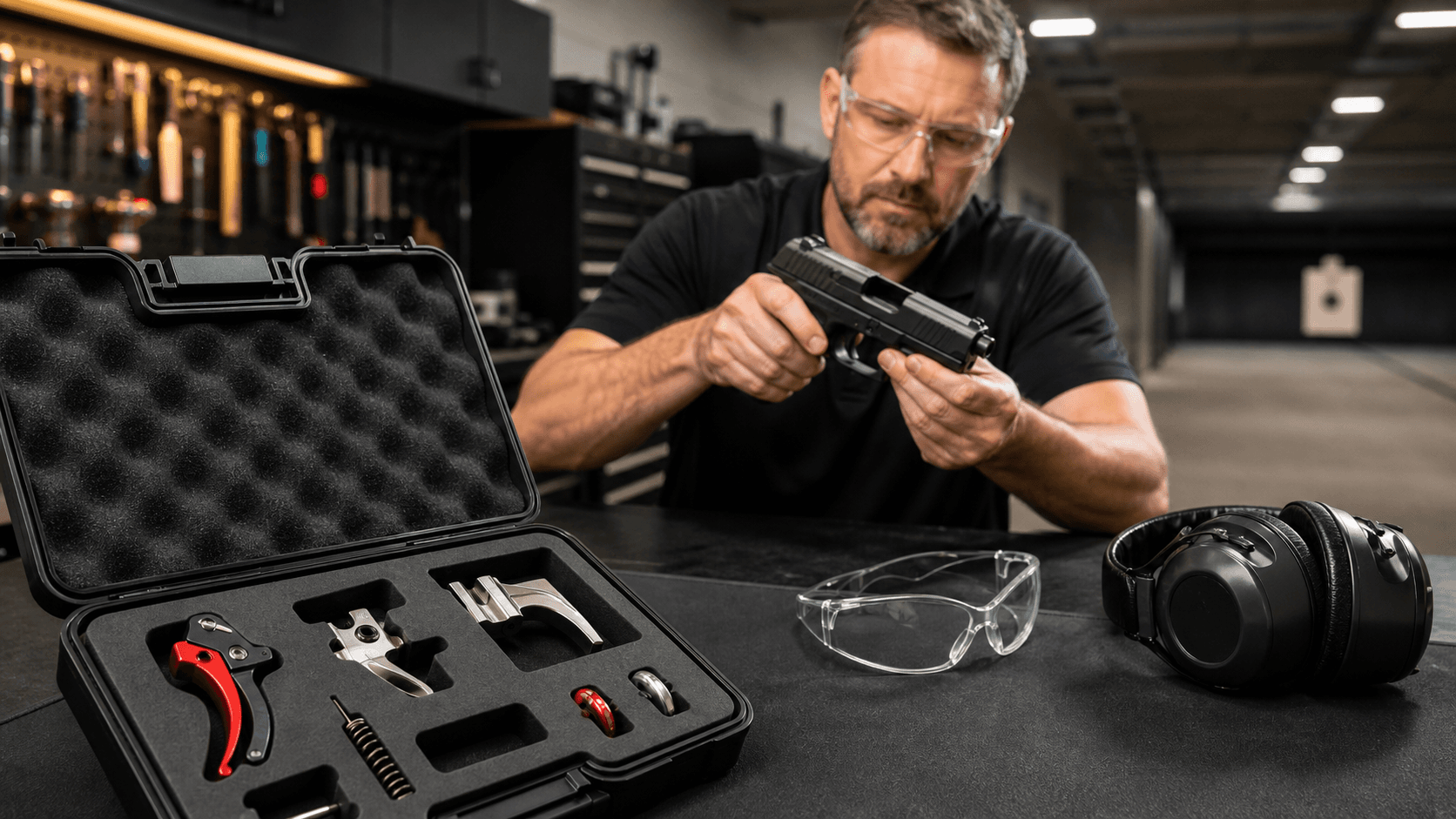
Stop Wrecking Your Glock Trigger Upgrade Before It Starts
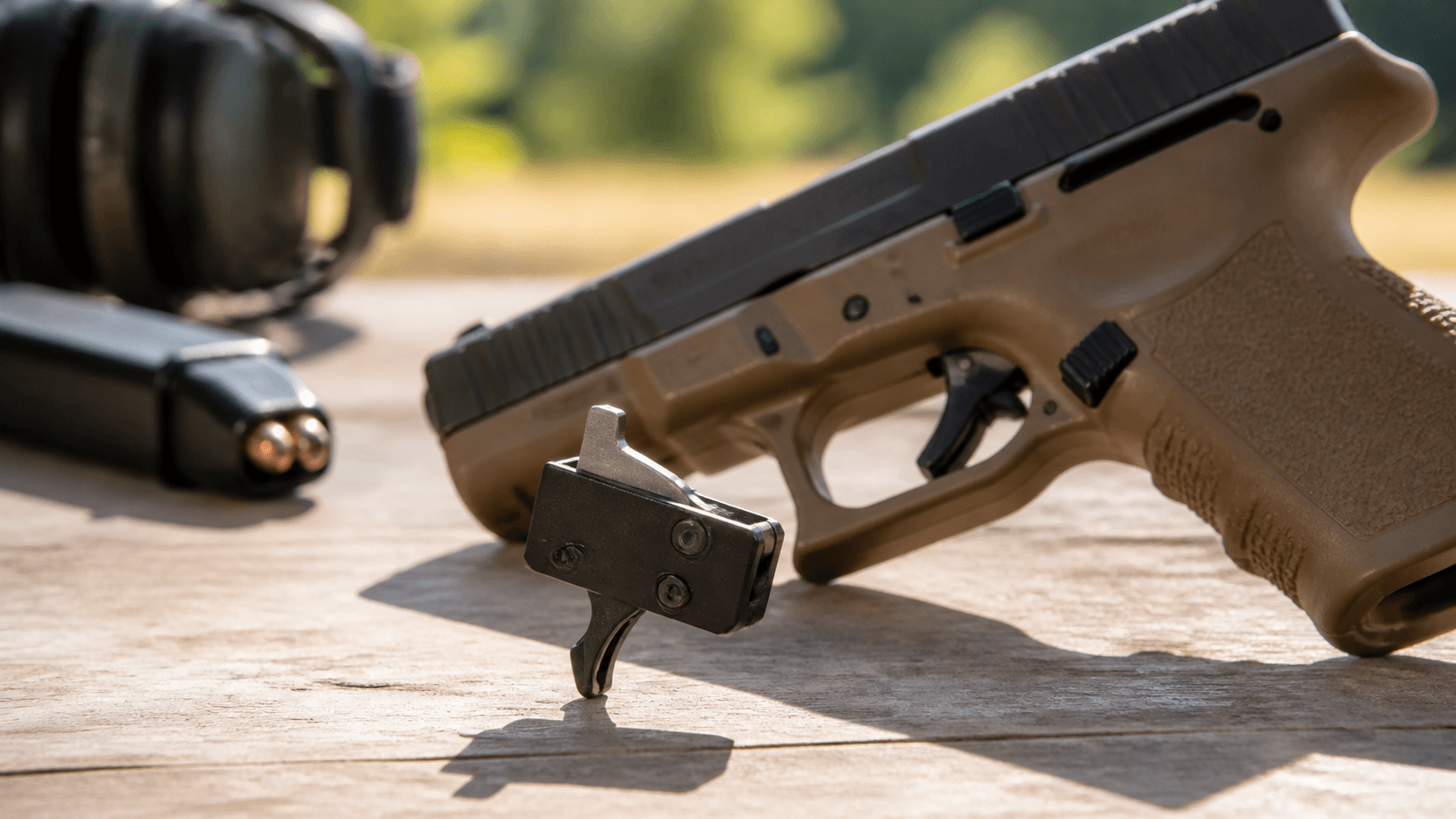
A Glock trigger upgrade can make your pistol feel completely different. Done right, it helps you shoot tighter groups, run faster splits, and stay in control during long summer range days and local matches.
Done wrong, it can ruin the pull, add grit, create reset issues, or even make the gun unsafe. That is the part a lot of shooters skip over. Glock triggers are very tunable, but small mistakes in parts choice and installation stack up fast.
We work with performance-focused, American-made components every day, so we see where things go off the rails. There is a thin line between a crisp, competition-worthy trigger and a setup that gives you heavier pull, random breaks, or unreliable ignition.
Below, we will walk through the most common Glock trigger upgrade mistakes that kill performance, why they happen, and what you should do instead so you can roll into summer training, 4th of July range days, and local matches with a safer, smoother pistol you can trust.
Chasing the Lightest Pull and Ignoring Real Control
One of the biggest mistakes is treating a Glock trigger upgrade like a contest to see who can get the lowest pull weight. Many shooters stack ultra-light connectors, reduced-power striker springs, and every soft spring they can find, then act surprised when the gun feels strange under stress.
That super light pull often comes with tradeoffs:
- Slower lock time and weaker primer hits
- Inconsistent feel shot to shot
- Extra movement in the sights as the trigger breaks
- Tougher control when your hands are sweaty or tired
Real control is not just about a number on a trigger scale. Real control looks like:
- A consistent wall you can feel every time
- A clean, predictable break without surprise creep
- A strong, positive reset you can ride hard in rapid fire
- A pull weight that fits how you actually use the gun
For everyday carry, many shooters are better served by a trigger that is clean and predictable in a moderate pull range instead of a featherweight setup. For competition, a lighter pull can help, but only if the system still gives you confident ignition and good feedback through the press and reset.
High-quality, precisely machined parts let you get a smoother wall, crisper break, and better reset while still keeping springs and engagement strong enough for real-world use. That balance is what lets you run faster without feeling out of control.
Mixing Random Parts Instead of a Tuned System
Another common mistake is the "Frankenstein" trigger: a random shoe from one brand, a bargain connector from another, springs from a third shop, and maybe an old trigger bar someone had lying around.
On paper, they may all be "Glock parts." In the gun, things look different.
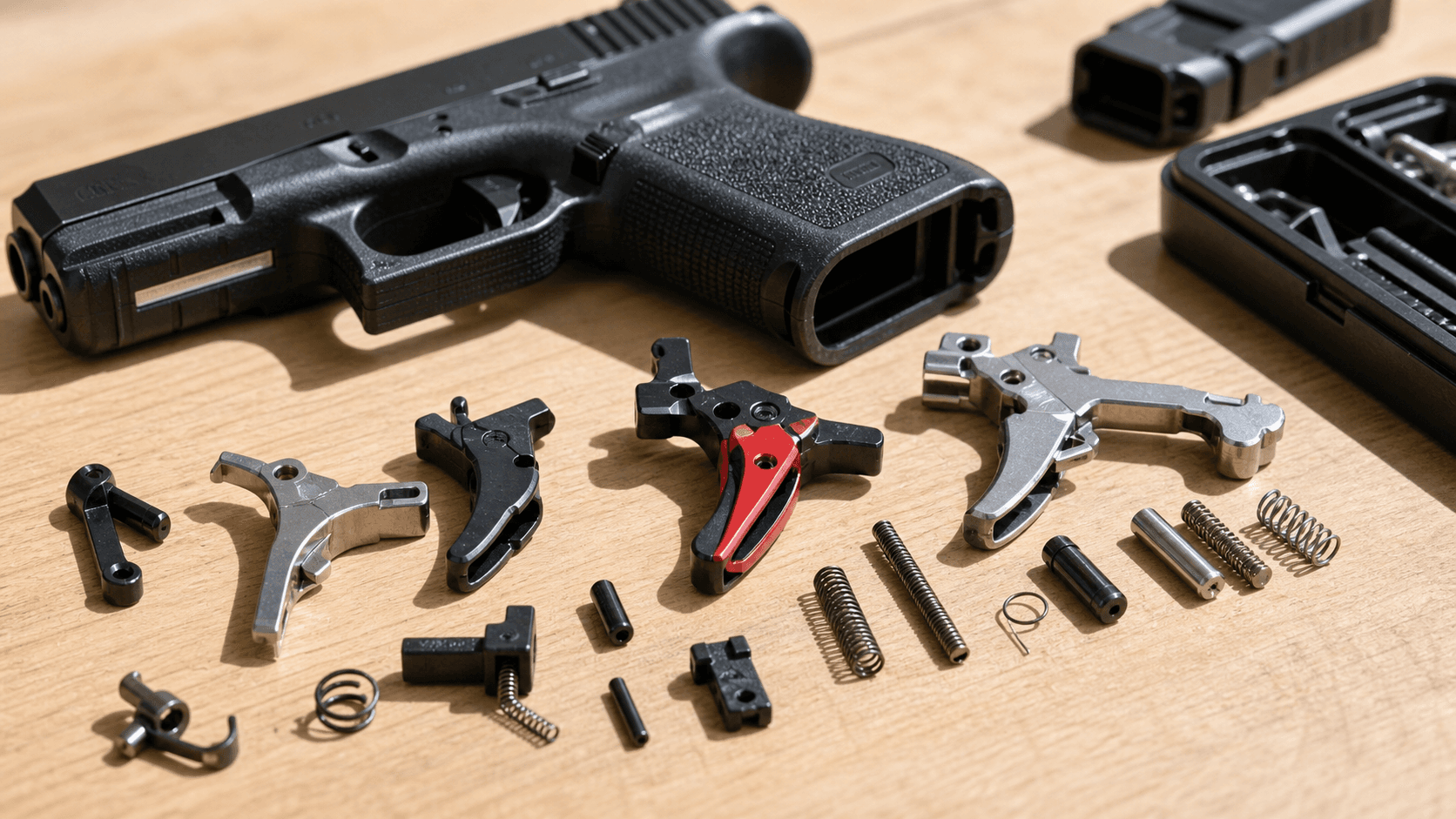
Your trigger feel comes from how several parts interact:
- Trigger shoe and safety tab
- Trigger bar and its angle as it cams the striker
- Connector shape and finish
- Striker, firing pin safety, and every spring in the system
Each maker works with certain dimensions and tolerances. When you mix everything at random, you can easily end up with:
- Extra drag or "stacking" near the wall
- Mushy or wandering break points
- Weak or partial resets in rapid strings
- Light primer strikes when the gun gets hot and dirty
Summer only makes it worse. Hot days, higher round counts, and dusty bays expose every small mismatch. That trigger that felt "okay" in the living room can start choking once carbon builds up and the frame gets warm.
A purpose-built trigger system, where the geometry of each part is designed to work together, is far more likely to give you a crisp, repeatable break and a confident reset. That is why we design systems, not bags of random parts.
Overlooking Safety Margins for Summer Carry and Matches
Warm weather means more concealed carry under light clothes, more outdoor classes, and more action matches. It is also when some shooters start filing safety tabs, clipping springs, or softening internal safeties just to make the trigger feel lighter.
That is a bad trade.
Glock has several internal safeties working together: the trigger safety tab, firing pin safety, and drop safety. When you weaken or defeat these, you lose layers that help protect you during:
- Holstering under light shirts and cover garments
- Movement in crowded stages and training drills
- Handling in vehicles or tight spaces
A safe performance trigger should still have:
- A shoe profile that keeps your finger centered and flat
- A safety tab that fully engages and fully resets
- A break weight that resists accidental movement when clothing or gear brushes the trigger
Any time you upgrade, you should run full function checks and drop-safety style checks in a controlled, professional way before you carry or compete. Precision CNC machined parts can improve feel and consistency while still staying within safe, OEM-like safety windows, but only if they are designed and installed with safety in mind.
Skipping Proper Fitting, Polishing, and Testing
Another trap is the quick garage swap. Parts arrive, a few pins come out, new pieces go in, and the gun goes straight into a holster or a match bag with almost no real testing.
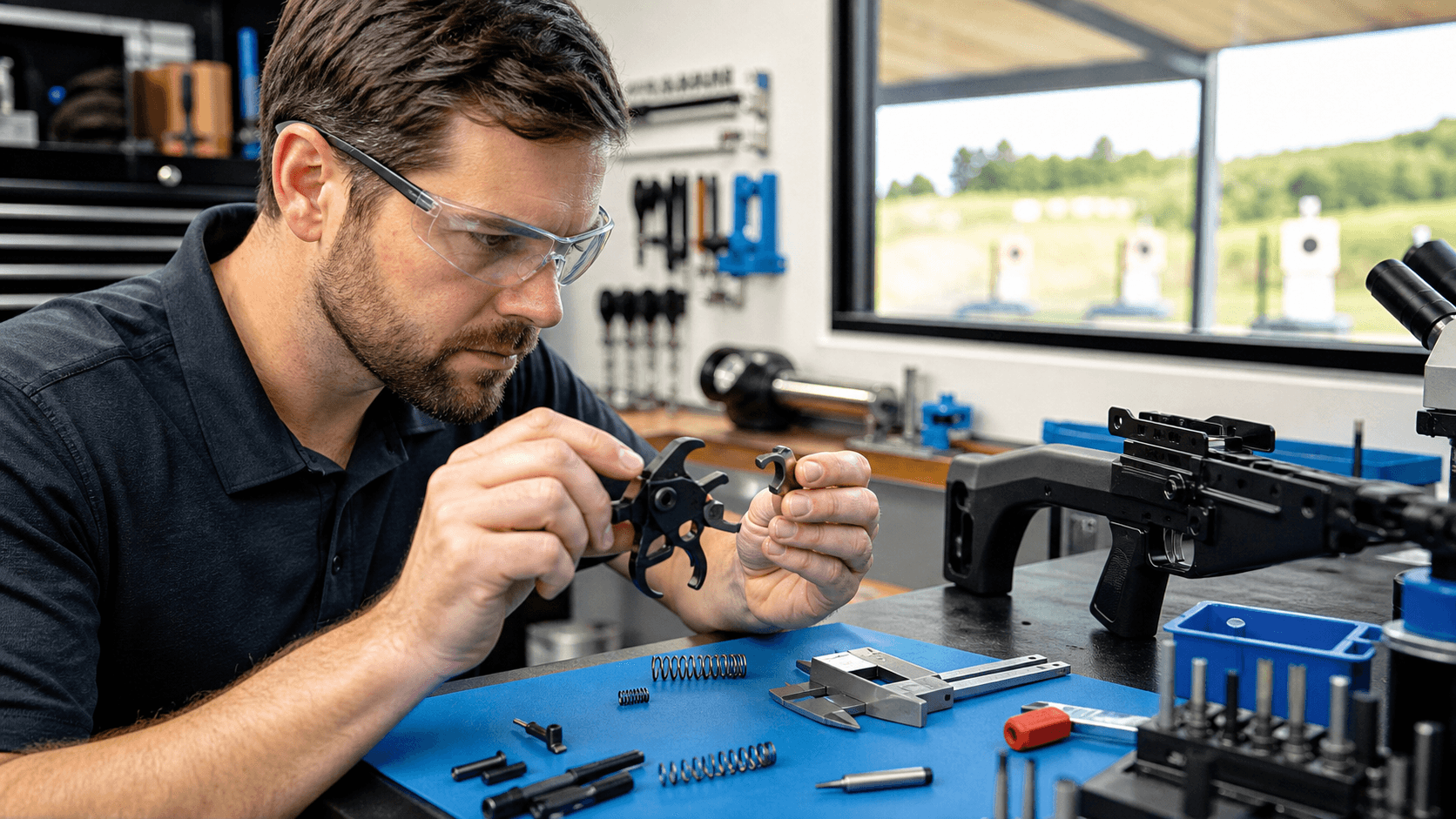
Even good parts need proper fitting and setup. That means:
- Careful inspection of all contact surfaces for burrs
- Verifying correct engagement between trigger bar, connector, and striker
- Light polishing only on correct points, never changing critical angles or removing too much material
Once the work is done, the gun needs real testing. Not a single magazine. Not a few dry-fire presses.
A smarter approach is:
- Extended dry-fire to check wall, break, and reset feel
- Slow-fire accuracy at realistic distances
- Controlled pairs to watch sight tracking and trigger return
- Timed drills, like Bill-style strings, to stress the reset
Summer heat and longer range sessions will quickly show whether the trigger holds up when the frame warms, sweat hits the gun, and carbon starts to stick. Problems like reset drag, intermittent light strikes, or "mystery" flyers often show up only after a few boxes of ammo.
Treat your Glock trigger upgrade as something that must prove itself before you trust it on the street or at a big match.
Upgrade with Confidence Using Purpose-Built Trigger Systems
When Glock trigger upgrades go wrong, it usually comes down to a few repeat offenders: chasing ultra-light pulls at any cost, mixing random parts into a Frankenstein setup, cutting into safety margins, and skipping real fitting and testing. Each one chips away at performance until the gun feels worse than it did from the factory.
If we think of the trigger as a system instead of a pile of parts, everything changes. The goal becomes control, safety, and reliability first, with better feel and speed built on top of that solid base. That is the mindset we use at G-Force CNC Solutions when we design and machine performance-focused trigger systems and accessories for platforms like Glock, right here in the United States.
When you look over your Glock this summer, take a hard look at your current trigger setup. Check for any of the mistakes we covered, fix what needs fixing, and choose parts that are designed to work together with tight, repeatable geometry. That way your next Glock trigger upgrade will actually boost performance instead of quietly killing it.
Upgrade Your Glock Performance With Precision Components
If you are ready to take your shooting control and consistency to the next level, explore our Glock trigger upgrade options. At G-Force CNC Solutions, we design and machine parts to help you achieve a cleaner break, shorter reset, and more predictable performance. Our team is here to help you choose the right components for your build and answer any technical questions. For personalized support or bulk inquiries, contact us and we will get back to you quickly.