Build a Range Setup That Earns Its Keep
A range-focused build should be judged by more than the number attached to a single part. When you choose a trigger component, you are also choosing the manufacturing process, compatibility details, product information, finish options, and support behind it.
October is a smart time to take stock of range gear before cooler-weather sessions, indoor range days, holiday wish lists, and year-end updates. We recommend looking at the full value of a component now, rather than making a rushed choice when you are trying to finish a build quickly.
A lower checkout figure can seem like the obvious win, but it does not answer every important question. Is the part made for your exact platform? Does the listing clearly explain fitment? Can you find instructions or support if something is unclear? Those details matter when you want a range setup that stays enjoyable and dependable over time.
American-Made Triggers Carry More Than Material Value
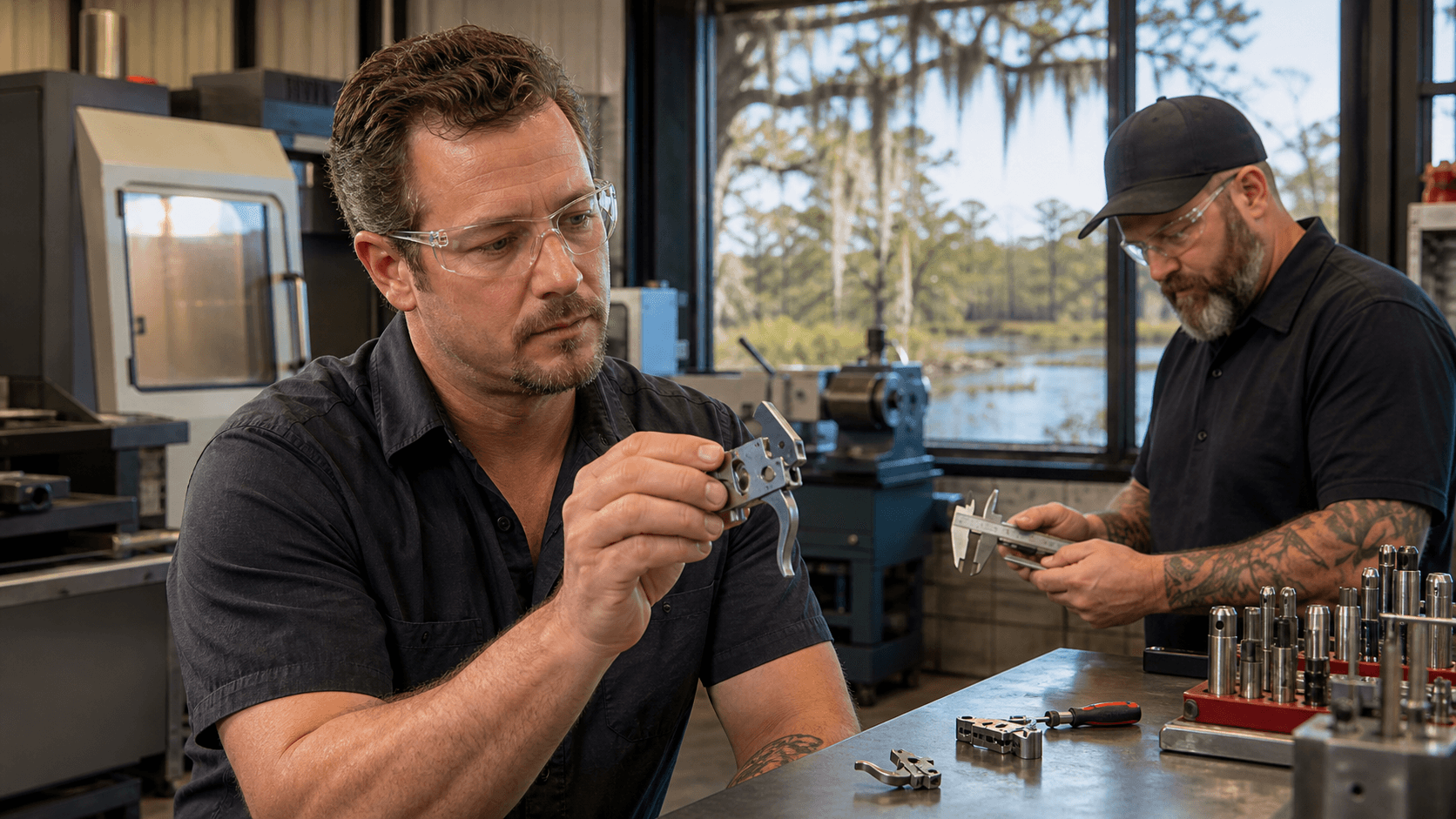
A trigger is a small component, but it is not simply a small piece of metal. American-made triggers can reflect the work involved in selecting materials, operating CNC equipment, employing skilled machinists, checking parts during production, and holding parts to a consistent internal standard.
For many of us, knowing where a component comes from is part of the buying decision. U.S.-based manufacturing may give shoppers a clearer view of a product's origin and the company responsible for producing it. That does not mean every American-made product is automatically the right choice, or that every alternative should be judged the same way. It means the details are worth reading.
Before selecting a component, we encourage you to compare product pages carefully. Look for information that helps you understand what you are considering:
- Country-of-origin statements when available
- Listed materials and machining details
- Platform, model, and generation compatibility
- Available finishes and product-specific notes
- Warranty terms and support options
At G-FORCE CNC Solutions, we know that customers shopping for precision CNC-machined firearm components often want those details upfront. Clear information about the intended platform and finish helps you compare options based on more than a quick first impression.
Precision Machining Supports Consistency
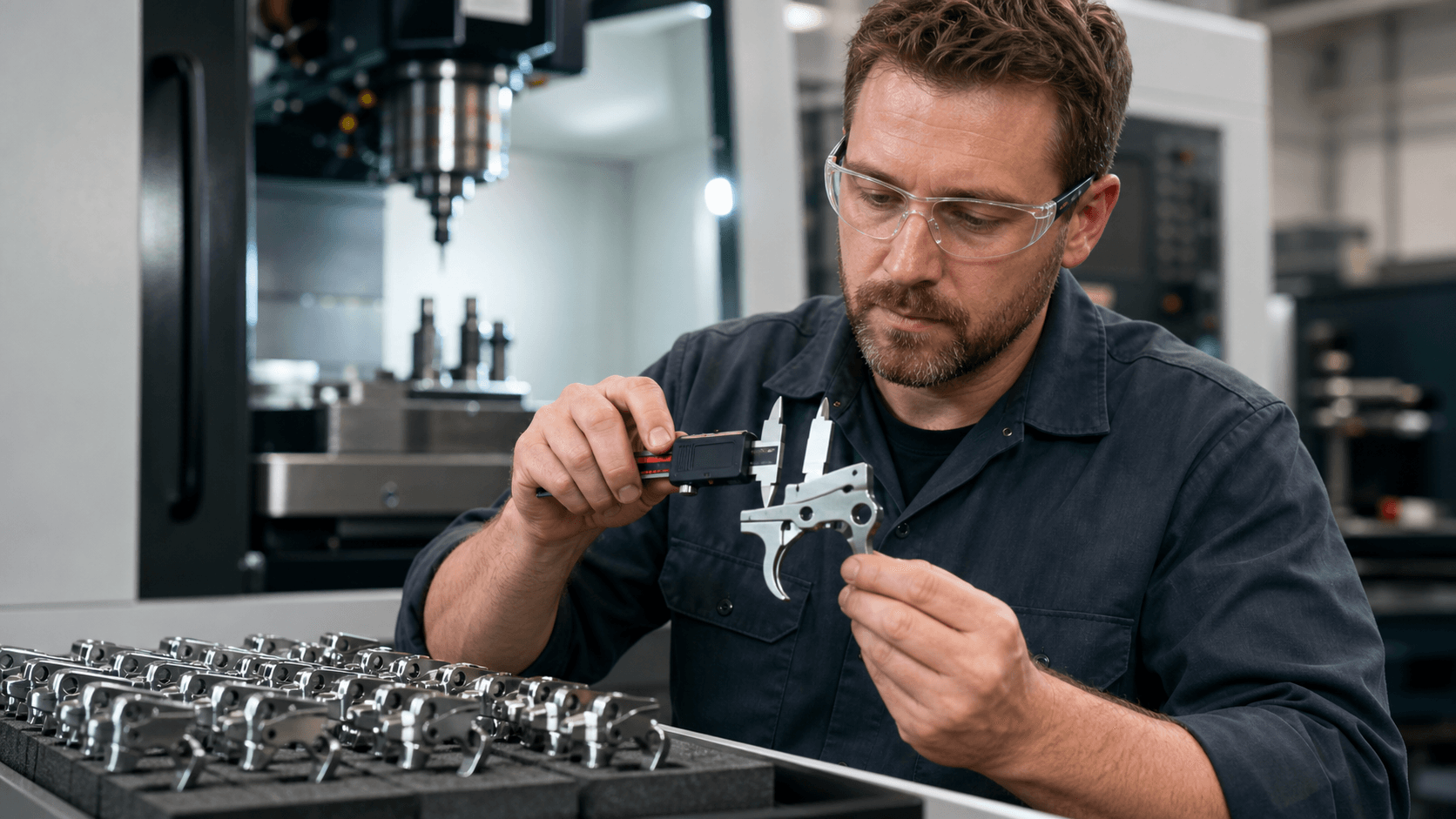
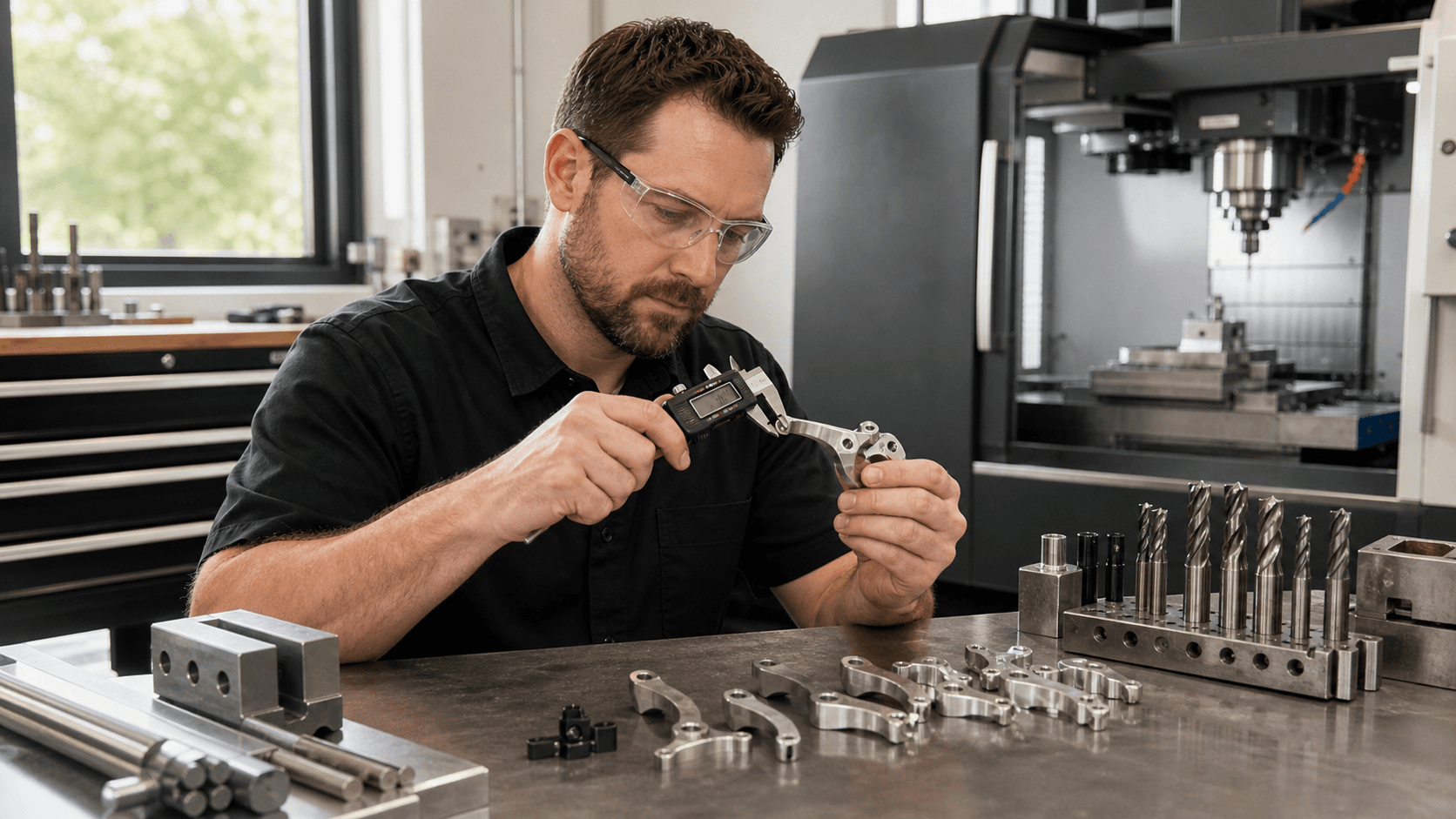
Precision CNC machining is about repeatability. When a component is produced through a controlled machining process, the goal is for each part to follow the same design requirements from one production run to the next.
That consistency can matter when you are choosing components for select Glock, Canik, or Taurus platforms. Range builds are personal, and small differences between models or generations can matter. We always recommend confirming the exact compatibility listed for the product before ordering, especially if your firearm has a less common configuration or previous modifications.
Initial impressions are only one part of long-term ownership. A component that raises fitment questions, lacks clear instructions, or comes with limited support can create extra hassle later. Time spent sorting out product uncertainty can take attention away from what you actually want to do, which is enjoy a safe, lawful day at the range.
American-made triggers may reflect a manufacturer's investment in repeatable production, inspection steps, and clear customer communication. Those factors do not guarantee a particular result for every individual firearm, but they can help you make a more informed selection.
Platform Fit and Support Protect Your Investment
Compatibility information deserves the same attention as the component itself. A good product listing should help you identify supported models, excluded configurations, and fitment notes that apply before you make a decision.
Clear documentation is especially helpful for range customers who use one preferred platform regularly. Instead of guessing whether a part will work, you can review the listed details and decide whether it matches your firearm. If a product description leaves open questions, getting a clear answer before ordering is usually far easier than trying to solve a mismatch afterward.
Support also shapes the ownership experience. Straightforward instructions, accessible customer service, and understandable warranty policies can reduce frustration when questions come up. We believe customers should be able to make decisions with useful information, not assumptions.
Responsible ownership remains part of every range build. Follow all applicable laws, read manufacturer instructions, and seek qualified assistance when needed. Safe handling, proper compatibility, and lawful use should always come before chasing a certain feel or making a decision based only on a single product detail.
Set a Smarter Budget for Fall Range Sessions
Fall planning gives you room to think through the whole setup instead of treating every purchase as urgent. Start by separating the parts that directly support your regular range routine from accessories that can wait until later.
For many shooters, a trigger component may sit higher on the list because it is closely tied to the platform they use most often. Others may decide that magazines, protective gear, storage, or range accessories deserve attention first. There is no one right order, but it helps to decide based on how you actually spend your range time.
A practical planning checklist can keep the decision simple:
- Identify the firearm platform you use most often
- Confirm the exact model and generation before comparing parts
- Review materials, machining notes, and finish choices
- Read compatibility exclusions and installation guidance
- Consider available support if questions arise
October is also a good time to review product availability before holiday shopping becomes busy. Giving yourself time to research compatible components can make your final choice feel more confident and less rushed.
Choose Long-Term Value Before Your Next Range Day
The true cost of a trigger component is about more than its listed figure. American-made triggers can represent skilled labor, precision manufacturing, clearer production accountability, and support that remains useful after the order arrives. Still, a higher figure alone does not make any product the right answer. The best choice is the one that fits your specific platform, range goals, and expectations for responsible ownership.
Before your next range day, compare the full picture: compatibility, documentation, manufacturing details, finish options, and support. A careful choice now can help you build a setup that feels purposeful, practical, and ready for the range sessions ahead.
Get A Trigger Built For Your Range Goals
At G-Force CNC Solutions, we help builders find American-made triggers that balance dependable performance with the details that matter to their setup. Browse our available options to compare components and choose with confidence. If you have questions about fitment or product details, contact us for straightforward guidance.