Why Precision Parts Matter for Louisiana Shooters
Good gear matters even more when the weather is working against you. In Louisiana, early fall means the air is still heavy, the ground is often wet, and guns pick up sweat, dust, and grime fast. When your firearm has sloppy parts or uneven wear, all that buildup shows up as missed shots, poor feel, and headaches on the line.
As temperatures finally ease a bit, hunters start getting serious about teal, deer, and hog season. Local matches pick back up, and folks spend more time at the range tuning pistols and carbines. This is when small mechanical problems stop being "no big deal" and start showing up on paper, steel, and in the woods.
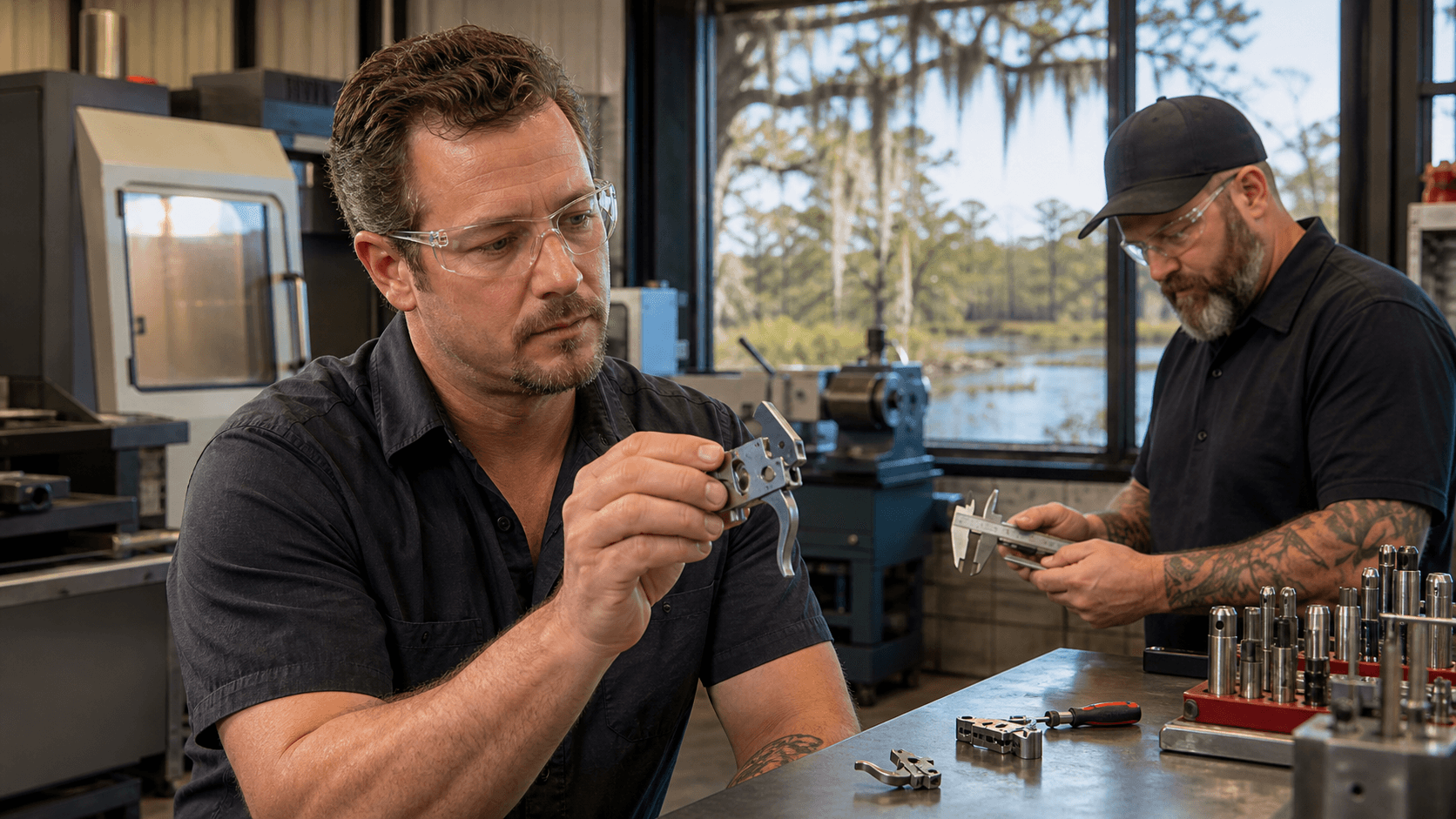
Humidity, temperature swings, and dirty bayou conditions are rough on loose, mass-produced parts. Triggers feel mushy, lockup can be inconsistent, and reliability drops when things get wet or gritty. That is where CNC firearm parts come in. With tighter fits and cleaner geometry, they help Louisiana shooters get reliable performance, safer operation, and tighter groups, whether they are in the marsh, the pines, or on the shooting bay.
What Makes CNC Firearm Parts Different
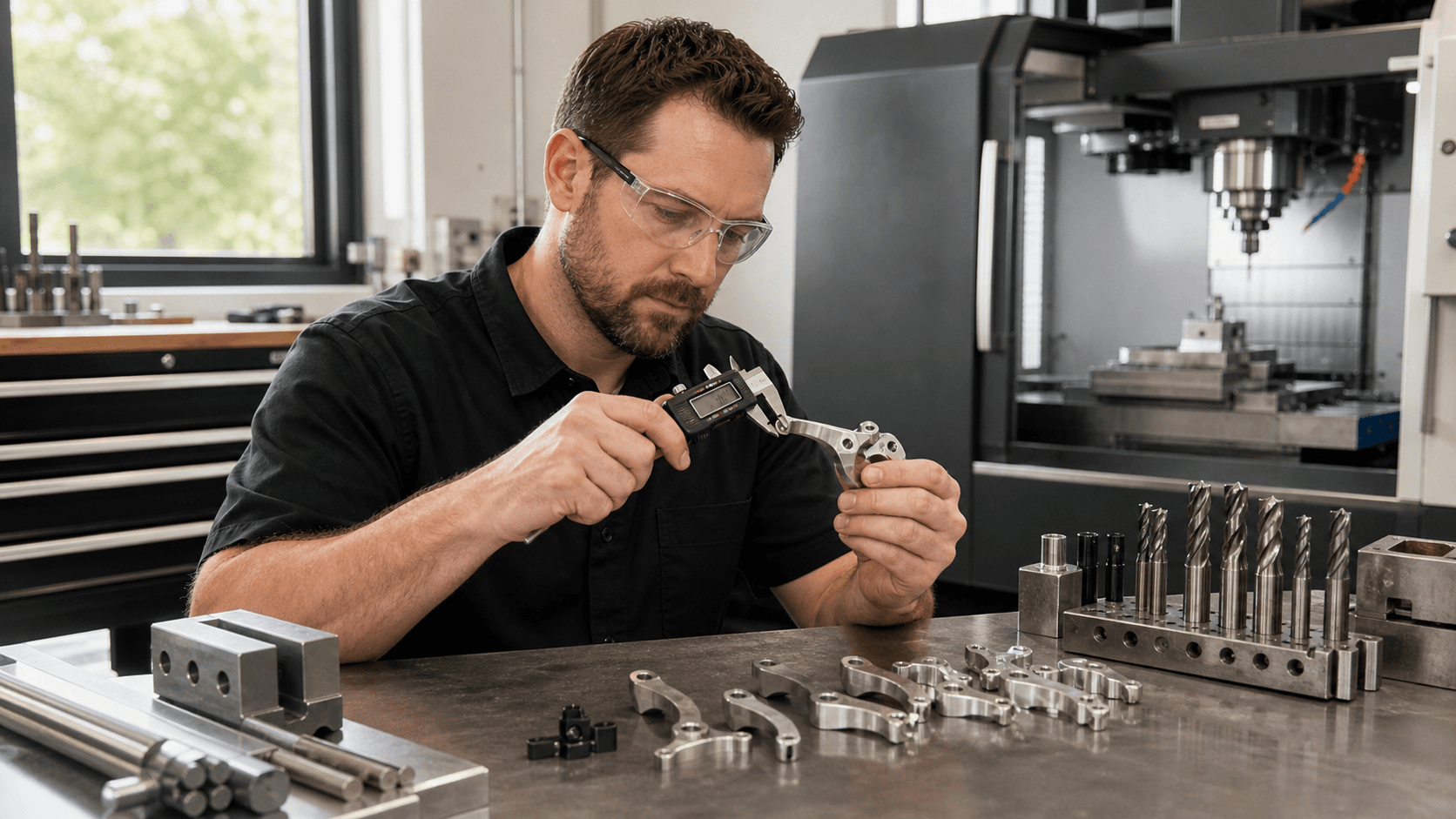
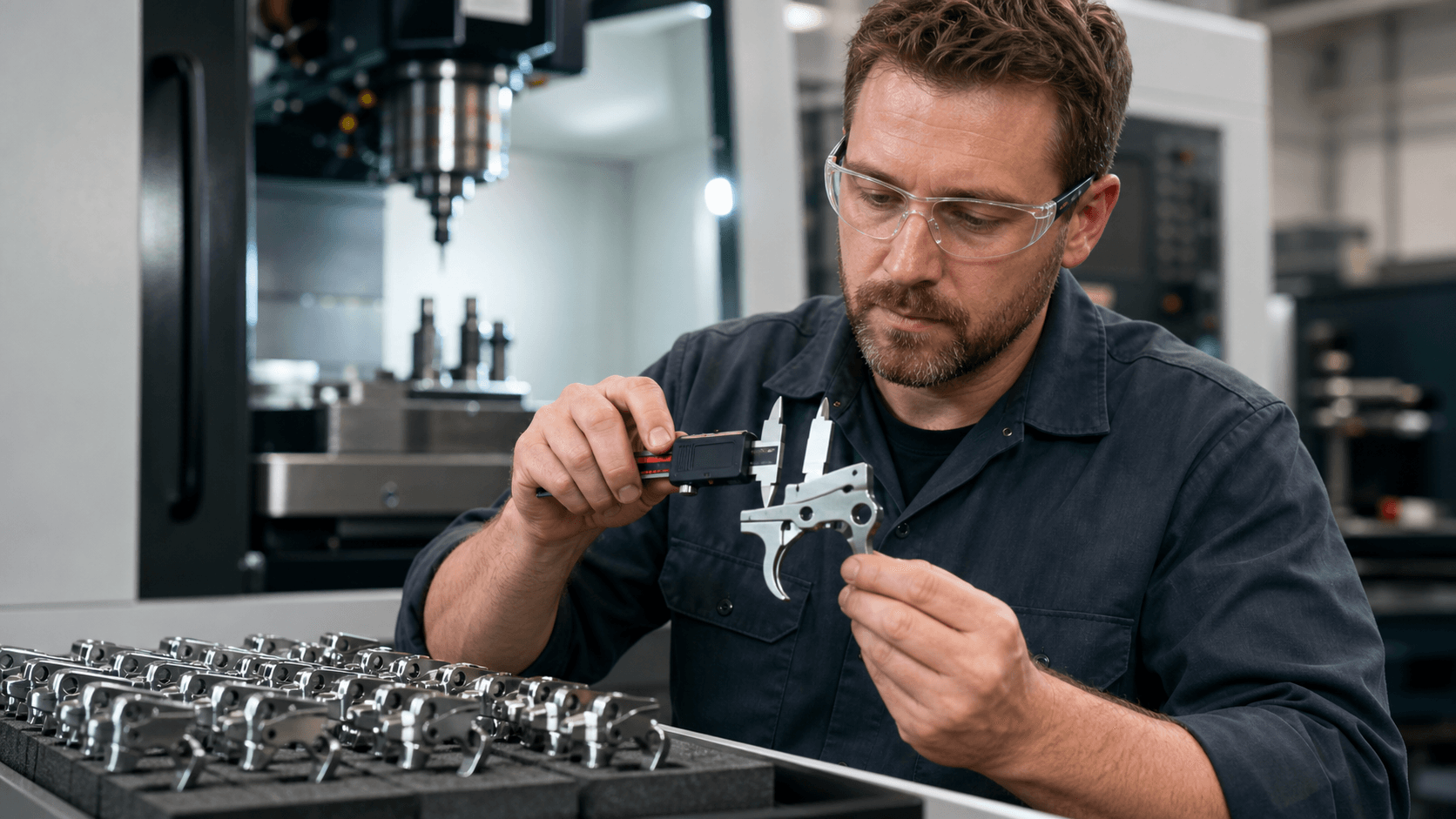
CNC machining is simply using computer-guided machines to shape metal with very tight control. Instead of a big batch of cast or stamped parts that all come out a little different, CNC tools follow the same program every time. The result is parts cut to exact specs, again and again.
Here's what that means in plain shooting terms:
- Tighter tolerances, so parts fit together the same way every time
- Cleaner engagement surfaces, so moving parts glide instead of drag
- More consistent dimensions, so you do not "luck into" a good part in a bad batch
For triggers, that tighter control shows up as a smoother pull, a cleaner break, and repeatable reset. For slides and other components, it helps with better lockup and more consistent cycling when the gun is hot, dirty, or both. When every shot might be the one that matters, this kind of predictability is a big deal.
Generic drop-in parts often focus on "it fits most" instead of "it runs right." By contrast, well-engineered CNC firearm parts are:
- Modeled in detail around the platform
- Prototyped and refined to clean up contact points
- Stress tested to hold up to heavy use and harsh weather
That extra design and testing work is what separates a true upgrade from just another part in a package.
How CNC Upgrades Improve Real-World Performance
The most noticeable change for many shooters is the trigger. A clean, predictable trigger makes it much easier to break the shot exactly when your sights are where they should be. With CNC parts working together, you can get:
- A crisp, defined break instead of a long, squishy pull
- Reduced pre-travel and overtravel, so less movement before and after the shot
- A reset you can feel and hear, which helps with fast follow-up shots
For an early morning hunt, that can mean steadier, more ethical shots when light is low and your heart is pounding. In a local match, it can mean shaving time on transitions, because you are not guessing where the trigger breaks.
Reliability is the other half of the story. Louisiana conditions bring:
- Humidity and sweat that try to rust and gum up parts
- Sudden showers that soak gear on the four-wheeler or boat
- Mud and sand that find their way into holsters and bags
Quality CNC firearm parts are designed with these realities in mind. Clean geometry and solid material choices help them keep running through long range days and heavy round counts, even when things are less than clean.
All of this feeds into confidence and safety. When parts behave the same way every time, you get fewer surprises when adrenaline hits. You can focus on grip, sight picture, and trigger press instead of fighting sticky controls or guessing when the trigger will break.
Inside G-Force CNC Solutions Engineering and Testing
At G-Force CNC Solutions, we start with the platform first. Glock, Canik, Taurus, and other popular pistols each have their own quirks, and we treat those details as the starting point, not an afterthought. We lean on 3D modeling and careful study of engagement surfaces to shape how parts move together.
That design work lets us adjust small things like:
- Angles between sear and striker or hammer
- Contact areas that carry most of the load
- Clearances that control how parts reset and lock up
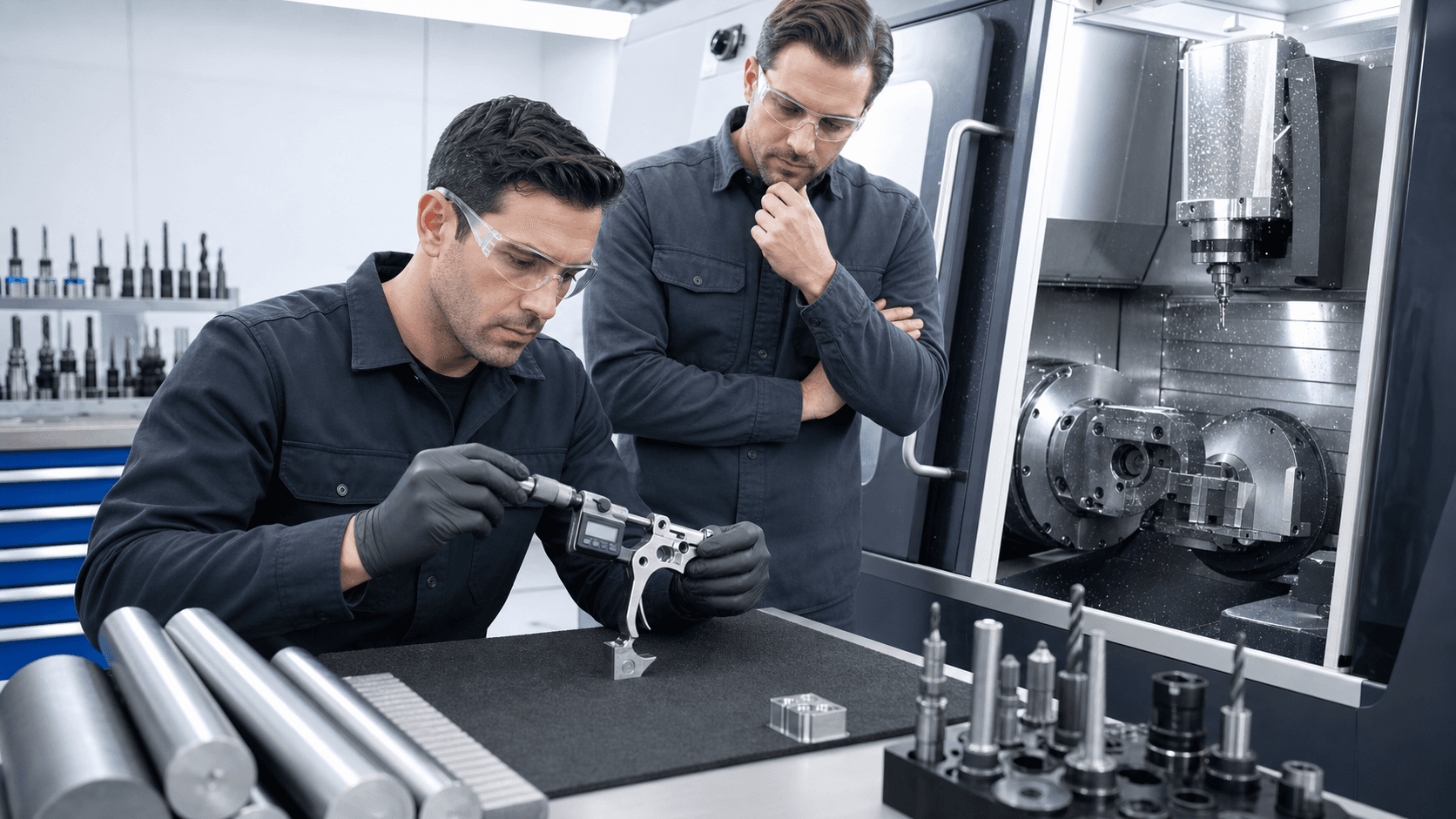
After design comes testing. We do not stop at a part that "looks right" on a screen. Our components go through:
- High round-count sessions to see how they feel when hot and dirty
- Function checks to confirm safe engagement and consistent reset
- Abuse in rough conditions to mirror real carry, training, and match use
Our Canik Recoil Assisted Trigger gets special attention, because it is a unique design in the Canik space. It is validated through repeated firing, different ammo types, and handling in the kind of sticky, hot weather that Louisiana shooters know well.
The goal is simple. If a part carries our name, we want it to feel at home on a sweaty range day in September, an early-season hunt, or a long practice session getting ready for fall competitions.
Why Local Shooters Trust CNC Firearm Parts for Fall Season
Early fall is the reset point for many Louisiana gun owners. Summer heat starts to break a little, football is back, and the calendar fills with hunts and matches. This is when people finally stop saying "I need to tune this gun someday" and actually do it.
CNC upgrades fit well into that prep window. By tightening up triggers and core internals before the busy months hit, shooters give themselves time to shake out any issues and get used to how the gun runs.
Different platforms see different gains:
- Glock owners often notice smoother trigger pulls and more consistent reset
- Canik shooters can feel the benefit of refined trigger geometry and recoil behavior
- Taurus pistols can get more predictable controls and internals built to handle frequent use
Quality CNC firearm parts are also about long-term value. Instead of chasing the next bargain part every season, shooters who invest once in well-engineered components can get:
- Longer service life, even with regular practice and matches
- Fewer trips to a gunsmith to fix wear or odd behavior
- More confidence that the gun will feel the same from one season to the next
Over time, that stability tends to matter more than any single "flashy" add-on.
Step Into Fall with a Purpose-Built CNC Upgrade Plan
The smartest time to adjust your firearm is before everything gets busy. A simple plan can help Louisiana shooters get ready for fall without rushing.
Start by looking closely at how your gun runs now. Pay attention to:
- Trigger feel, especially any grit, stacking, or odd reset
- Reliability during longer strings, including light strikes or failures
- How the gun behaves when it is hot, dirty, or slightly wet
Next, prioritize the parts that matter most. For many pistols, that means triggers and core internals first. Your focus might shift based on your main use:
- Defensive carry: safer, predictable behavior and reliable cycling
- Hunting sidearm: a clean break for accurate shots under stress
- Competition pistol: short, crisp trigger and fast, repeatable reset
Once upgrades are installed, schedule honest range time. Confirm point of aim and point of impact, run the gun under different speeds and grips, and see how it behaves as the gun heats up. Giving yourself that window before peak season helps you walk into the marsh, the pines, or the next match with a clearer mind and a pistol or carbine you trust.
Get Started With Your Project Today
If you are ready to upgrade your build with precision components, explore our selection of CNC firearm parts designed for reliability and consistency. At G-Force CNC Solutions, we carefully machine every part to meet exacting standards so you can focus on performance instead of guesswork. Have questions about fit, customization, or bulk orders? Just contact us and we will help you choose the right parts for your next project.