Unlock Faster, More Controlled Shooting with Canik FRT
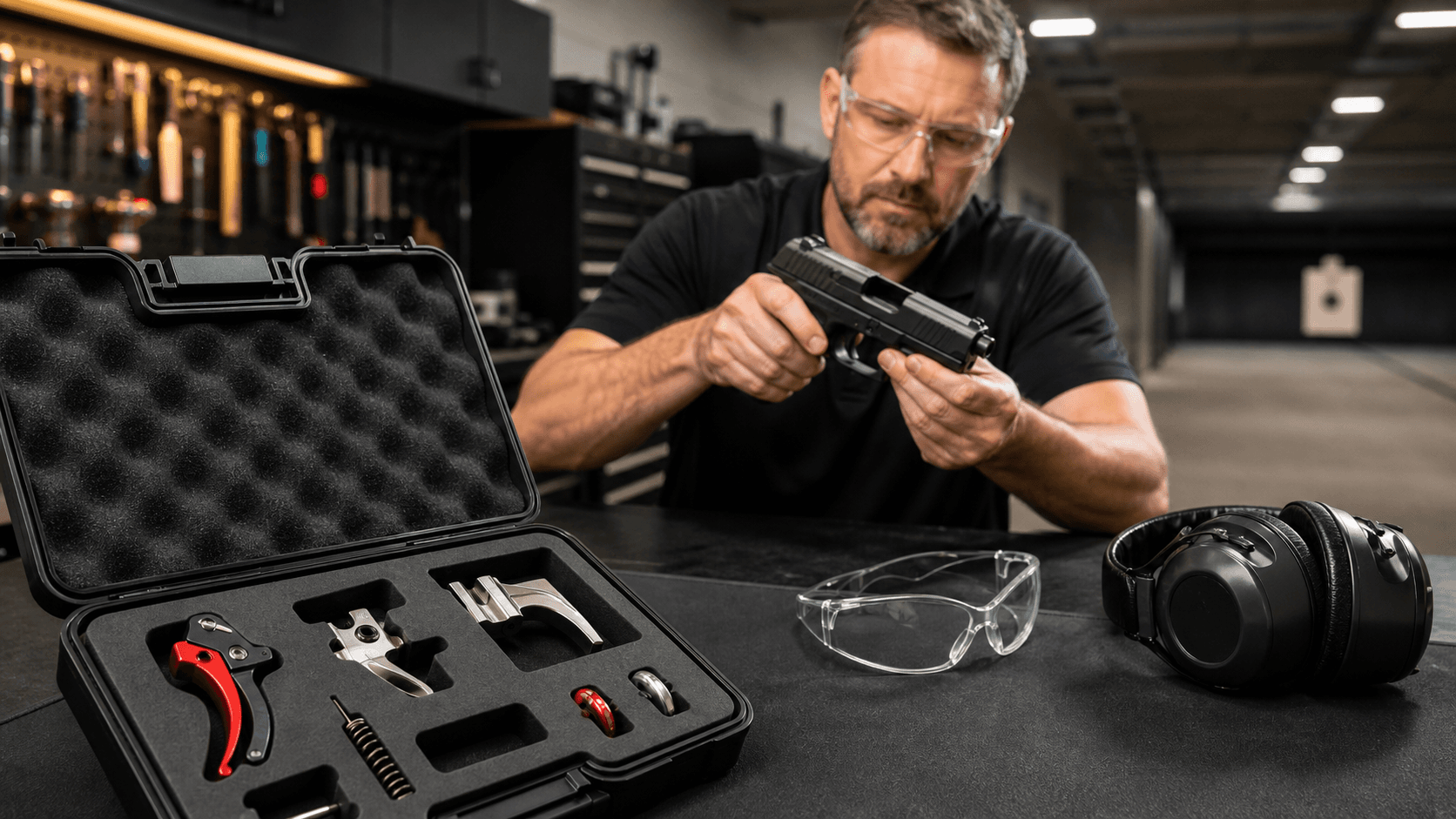
A forced reset trigger for your Canik can help you shoot faster while staying more in control of the gun. As summer range days, classes, and local matches pick up, many shooters start looking at their trigger first, because that is where speed and consistency often get held back.
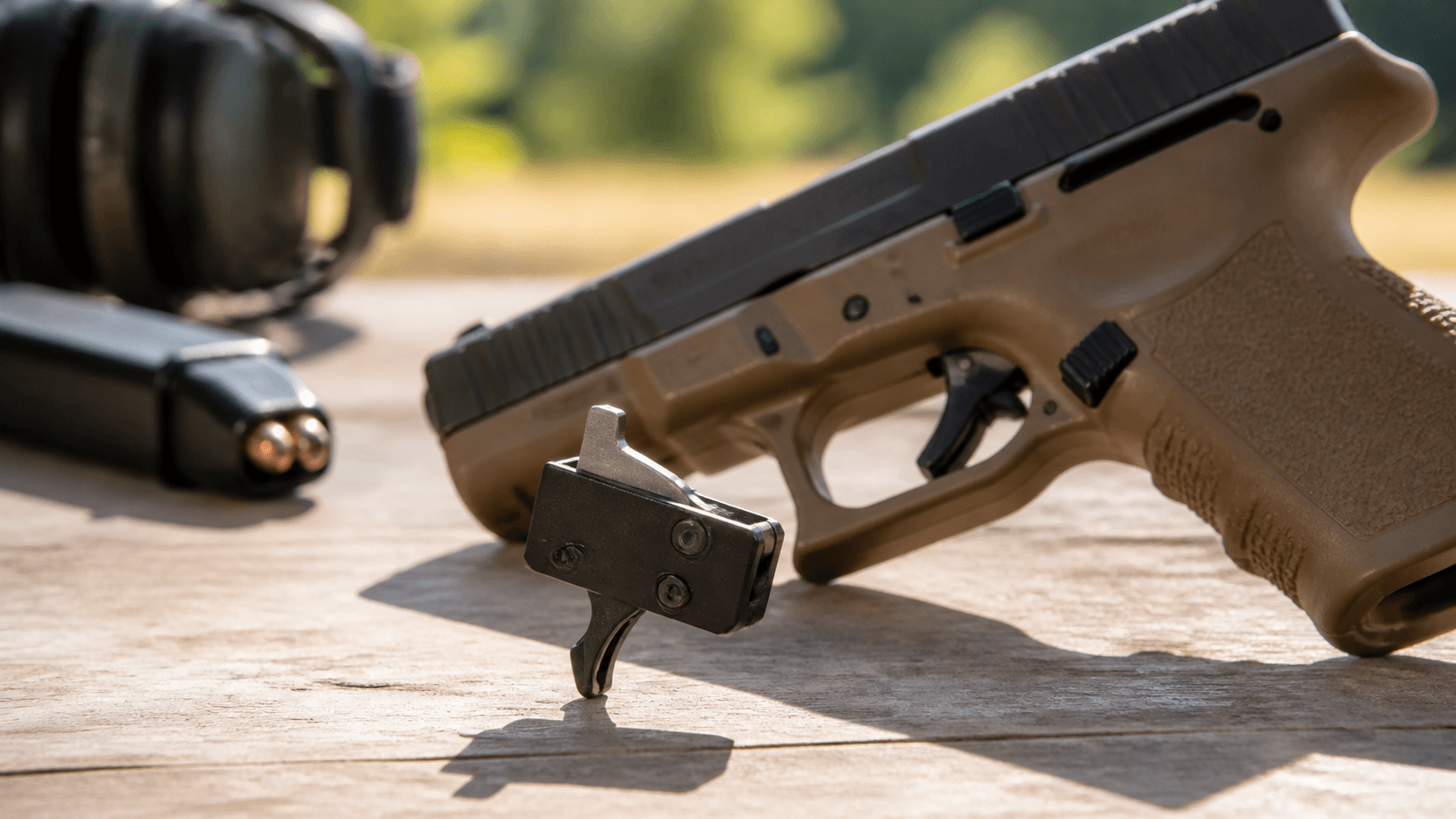
A forced reset trigger, or FRT, is a trigger that mechanically pushes your finger forward after each shot, so the reset is shorter and easier to feel. It still fires one round per trigger pull, but the feel is snappier and more positive than a standard trigger. Our focus is on high-precision, American-made FRT systems for popular Canik platforms that aim to balance speed, control, and reliable function.
In this guide, we will walk through how an FRT works inside your Canik, what performance gains you can expect, key safety and legal points, and how to choose the right upgrade for your goals this summer.
What Forced Reset Triggers Do Inside Your Canik
Inside your Canik, a standard trigger must travel forward a certain distance before it resets and is ready to fire again. With a forced reset trigger, the internal parts are shaped so that as the slide cycles, the system actually drives the trigger forward for you. This mechanical push shortens the reset distance and time, and makes it feel more positive under your finger.
On popular Canik platforms like the TP9 and METE series, this can change the whole shooting cycle. Instead of waiting for a long, vague reset, you get a quick, sharp click that your finger can ride. That can mean less time between shots and less chance of you overmoving the trigger and disturbing the sights.
Key points about how an FRT works inside the gun:
- The slide cycles and recocks the striker or firing system.
- Internal parts in the trigger group push the trigger shoe forward.
- Your finger feels a clear, forced reset point.
- You still need to pull the trigger again for every single shot.
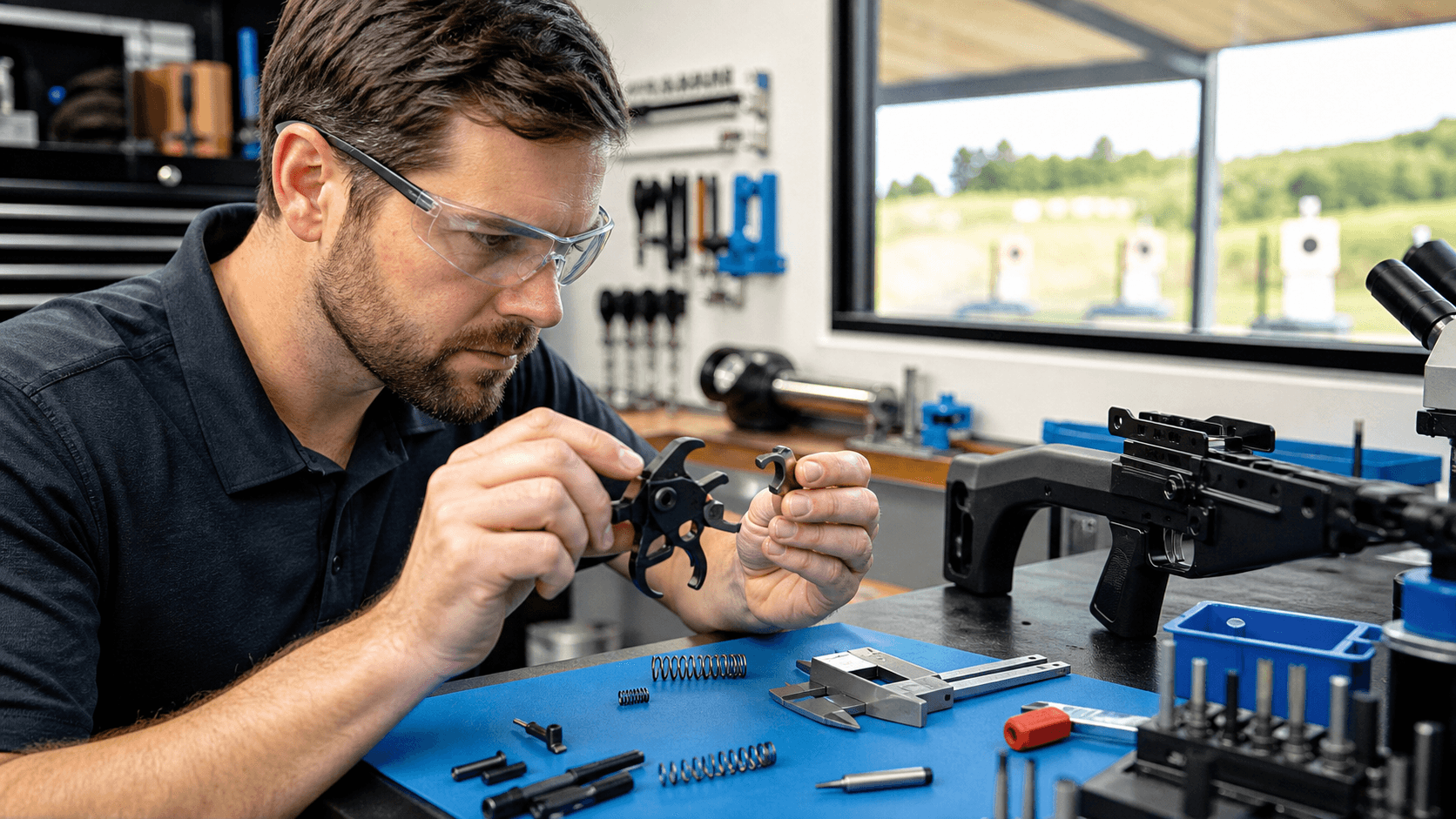
An FRT is not the same as fully automatic fire. With an FRT, the gun still fires only one round per trigger pull, and your finger must move for each shot. The system just makes that reset faster and more positive. For this to work smoothly, parts need to be precisely machined, with tight and consistent tolerances, so they lock together and move the same way every time under recoil.
Performance Gains Canik Shooters Can Feel
The first thing most shooters notice with a good Canik FRT is how much easier it is to shoot quick pairs without feeling out of control. Because the trigger snaps forward, your finger gets guided to the reset instead of hunting for it. That alone can help your split times come down and stay more consistent.
Some of the core performance benefits include:
- Faster, more repeatable trigger presses.
- A reset that feels the same every time.
- Less extra movement in the trigger finger.
- More focus on sights and recoil rather than trigger feel.
During fast strings on steel or USPSA-style stages, a well-designed FRT can help you keep the front sight or red dot closer to where you want it. When the trigger reset is short and predictable, you can prep the next shot while the gun is settling, instead of waiting to feel a vague reset. That can be a real advantage when you are running drills in the summer heat and trying to clean up your performance.
Of course, the trigger is only one part of the equation. To really get the most out of an FRT, it helps to pair it with:
- Strong, consistent grip pressure.
- A stable stance that manages recoil.
- Dry fire practice to learn the new reset.
- Live fire drills focused on control, not just speed.
When those pieces come together, the FRT can support both defensive style shooting and competition use, giving you faster follow-up shots without giving up accuracy.
Safety, Responsibility, and Legal Considerations
Any time you speed up your shooting, the safety rules matter even more. A Canik with an FRT can cycle quickly, especially in experienced hands, so muzzle discipline, trigger finger discipline, and awareness of your backstop all need to be rock solid. Summer ranges can get crowded, and a faster trigger does not change your responsibility to everyone around you.
There are also legal points to think about. Laws around forced reset triggers can vary by state, and they can change over time. It is important to:
- Check current federal rules on triggers and firearm parts.
- Review state and local laws where you live and where you shoot.
- Stay updated on any changes that might affect FRT ownership or use.
Reputable manufacturers design forced reset triggers to function within the one round per trigger pull framework. Poorly designed or unvetted parts might not only be unreliable, they could also raise legal questions. That is why it is wise to choose quality parts and clear installation guidance.
Responsible use includes getting proper training, keeping notes on what you changed on your gun, and using a qualified gunsmith if you are unsure about any step of the work. Following the install instructions exactly is part of staying both safe and compliant.
How to Choose the Right Canik FRT Upgrade
Picking the right Canik FRT is not just about chasing the lightest pull. You want a trigger that matches how you actually use your pistol and which model you own. Start by looking at:
- Exact Canik model and generation for compatibility.
- Preferred pull weight and travel for your shooting style.
- Reset feel, from sharp and short to slightly softer.
- Primary use, such as range, competition, or defensive training.
- Your overall budget for parts and professional install.
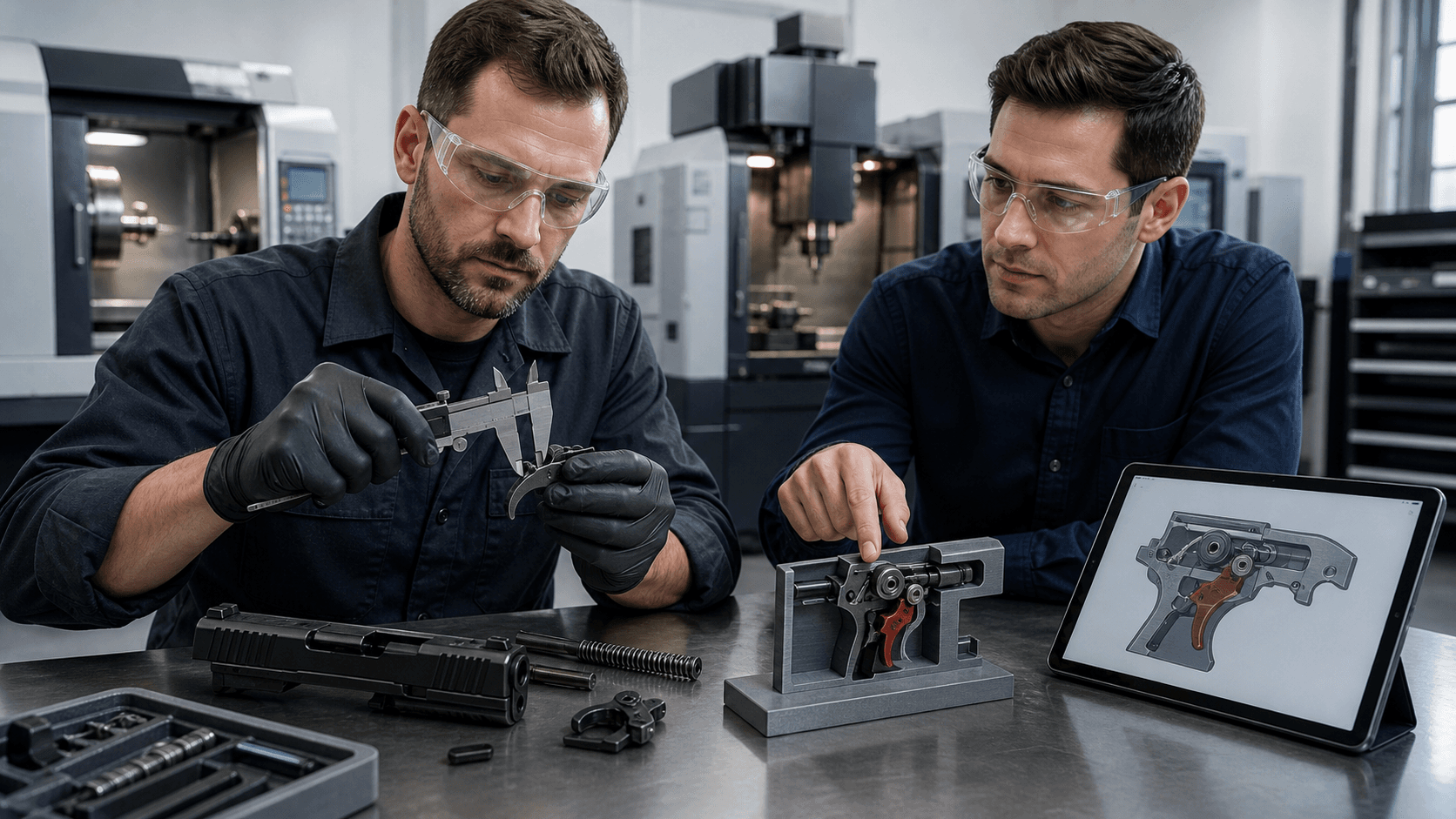
High quality FRT systems tend to share a few traits. They use CNC machined components that are consistent from part to part, finishes that resist sweat and humidity on hot range days, and tight tolerances that help reduce play in the trigger. Just as important, they are usually tested across multiple guns and loads to confirm repeatable function.
For installation, many shooters prefer professional help rather than DIY, especially with performance parts. A skilled gunsmith can:
- Confirm proper fit with your exact pistol.
- Check engagement surfaces and safety function.
- Test fire to confirm reliable reset and operation.
- Make small adjustments for the best trigger feel.
User reviews, clear product descriptions, and supportive customer service can all help you feel confident when you are investing in a premium trigger system.
Elevate Your Canik Before Your Next Range Day
Before your next range trip, it can help to look at where your shooting is slowing down. If your sights are coming back on target quickly, but your finger is late on the trigger, a Canik FRT might be the missing piece in your setup. Matching the trigger to your goals for summer training or competition can make your practice time much more productive.
At G-Force CNC Solutions, we focus on precision machined, American-made trigger systems, including forced reset options for popular handgun platforms like Canik. When you are ready to learn more about specific Canik FRT options, compatibility details, and support resources, you can explore what we offer and plan your next steps toward a smoother, faster trigger press.
Upgrade Your Firearm Performance With Precision-Engineered Solutions
Unlock the full potential of your build with our carefully designed Canik FRT components, engineered for reliability and fit. At G-Force CNC Solutions, we focus on quality machining so you can focus on consistent performance at the range. If you have questions about compatibility or options for your setup, contact us and we will help you choose the right configuration for your needs.